


Criminal
Jul. 29, 2026
DREAM Court: A model court marking 10 years of serving LA's most vulnerable children
Marking its 10th anniversary, Los Angeles' DREAM Court has served sexually exploited children as dependents rather than criminals through a trauma-informed, collaborative approach since its founding after the 2014 passage of SB 855.


Edmund D Edelman Children's Court
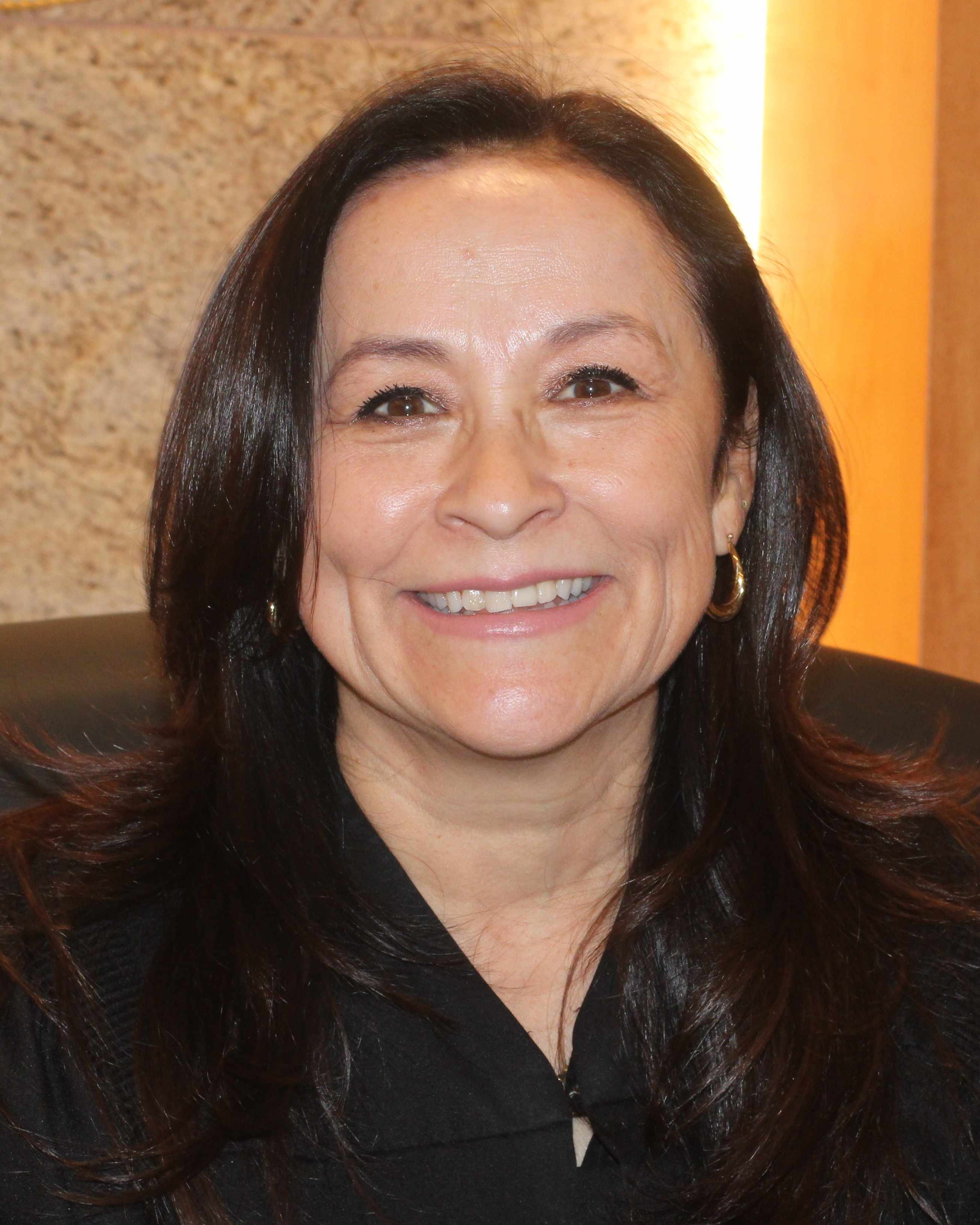
Annabelle G. Cortez
Judge
Juvenile Dependency
UC Hastings College of the Law, 1995

Every day, countless children are commercially sexually exploited in Los Angeles County, which has been identified as one of the nation's most prominent hubs for commercial sexual exploitation of children. This year marks the 10th anniversary of DREAM Court (Dedication to Restoration through Empowerment, Advocacy, and Mentoring). For nearly five years, I served as DREAM Court's longest-tenured judicial officer, where I witnessed firsthand the measurable impact that meaningful partnerships between the court and its justice partners can produce.
DREAM Court was established in collaboration with justice partners following the passage of SB 855 in 2014. That legislation clarified that children who are commercially sexually exploited, and whose parents have failed or are unable to protect them, may be adjudged dependents of the court. This shift from criminalizing children to recognizing them as victims fundamentally changed how the court serves children and families.
DREAM Court continues to evolve and adapt to the changing needs of the families it serves. On average, it serves more than 250 children each year, though we know the number of exploited children without court intervention is far higher. DREAM Court's strength lies in its intentional focus on addressing exploitation and supporting families through services and approaches tailored to their unique needs and circumstances. Attorneys and judicial officers receive specialized training on issues of exploitation and develop expertise in addressing children's complex needs through trauma-informed practices, collaboration and harm reduction approaches.
Trauma responsive practices
DREAM Court incorporates trauma-informed practices that meet each child where they are. The court intentionally engages with families to lessen the stress of court involvement by building trust and safety. While the court must make difficult decisions about a child's welfare and safety as the law requires, DREAM Court strives always to lead with respect, courtroom civility and empathy, and to lessen the trauma the child may be experiencing. Whether or not there is a contested issue, attorneys develop a nuanced and specialized skill set, advocating for their respective clients and making their record while maintaining respect for the parties, one another and the court. This highly focused, trust-building approach increases the likelihood that families will engage constructively in their case, even amid what may be a profoundly turbulent time for the children and their family.
The value of collaboration
Since its inception, the cornerstone of DREAM Court has been genuine and meaningful collaboration among the attorneys. Welfare and Institutions Code, section 350(a)(1), supports this collaborative approach in serving children and families with an open dependency case. Timely, ongoing communication about the child's and family's needs, balanced with strategies to mitigate safety concerns, serves as a compass for counsel. When collaboration alone does not fully address the child's complex and shifting needs, the court is available to hold both statutory and non-statutory progress hearings to support the family.
When a child is subjected to exploitation, this is often compounded with other stressors and traumatic events such as physical violence, forced criminality, substance abuse concerns, unaddressed mental health needs and lack of basic social support, which shape how the child navigates the world. In this context, we recognize that every step toward a safer place matters and DREAM Court acknowledges every milestone. Meaningful progress may include attending court, going to school, or a child communicating with the court about a specific need. Sometimes, simply listening as a child expresses frustration with an issue affecting them is progress itself, because the court has provided a safe place for the child to voice their needs. When setbacks happen --and they often do --counsel try creative approaches to help the child and family continue working toward safety for the child, because with exploitation the path forward is rarely linear or certain.
DREAM Court recognizes that while the child is the primary focus of a dependency case, a holistic family approach may provide more avenues to mitigate safety concerns. Unless the parent or legal guardian is the exploiter, the court also focuses on involving the family in ways that create opportunities and connections and strengthen the trust and relationship between the parent and child. As highlighted in In re R.T. (2017) 3 Cal.5th 622, a dependency court may take a holistic approach to services, acknowledging that "one missed opportunity to protect an [exploited] child is one too many."
As long as children in Los Angeles are commercially sexually exploited, DREAM Court will continue to play a crucial role in serving families with compassion and respect. In marking its 10th anniversary, DREAM Court continues to demonstrate how a court can lead meaningfully and intentionally to meet the needs of our community. Children deserve to be safe and respected. The DREAM Court team contributes to this, one child at a time.
Submit your own column for publication to Diana Bosetti
For reprint rights or to order a copy of your photo:
Email
Jeremy_Ellis@dailyjournal.com
for prices.
Direct dial: 213-229-5424
Send a letter to the editor:
Email: letters@dailyjournal.com