


Jun. 26, 2026
Steven Sepassi brings both sides of the bar to court's volunteer mediation
After 31 years representing both plaintiffs and defendants, ADR Services neutral Steven Sepassi says successful mediation begins with listening, building trust and helping parties realistically assess their cases through the Los Angeles Superior Court's volunteer mediation program.


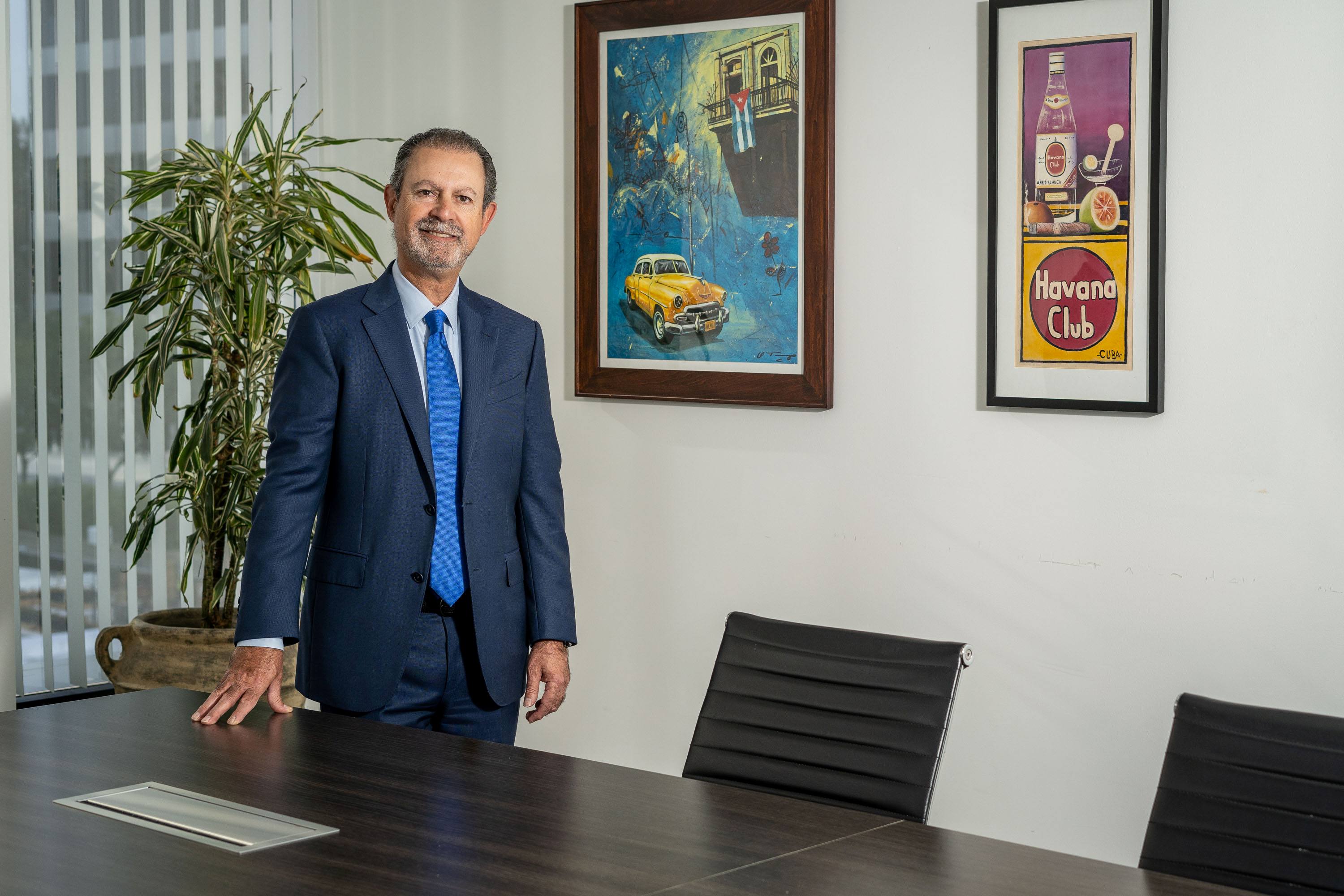
After more than three decades as a litigator representing both plaintiffs and defendants, Steven Sepassi believes one quality matters more than any other in mediation: making sure people feel heard.
Now a full-time neutral with ADR Services Inc., Sepassi mediates personal injury, habitability, real estate, professional responsibility and employment disputes. He also volunteers extensively with the Los Angeles County Superior Court's Mediation Volunteer Panel, conducting 40 to 50 court-referred mediations each year to help reduce the court's growing civil caseload.
Sepassi said he was recruited by the court's Alternative Dispute Resolution office about 21/2 years ago and quickly discovered that the volunteer work was as rewarding as it was challenging.
"I decided to volunteer and help the Court after I was approached by the Court's ADR office," he wrote in response to a Daily Journal questionnaire. "It has turned out to be a rewarding program meeting new faces and new cases."
His 31 years in private practice, representing clients on both sides of the bar, continue to shape his work as a mediator.
"I had practiced on the plaintiff's side as well as on the defense side as a practitioner," Sepassi wrote. "Therefore, as a full-time mediator I understand the motivations and the limitations on both sides."
That perspective, he said, allows him to remain objective while helping parties realistically assess their cases.
"The biggest difference is maintaining an unbiased and objective view of the facts of the dispute," he wrote. "As an advocate I had to press my client's version of the facts and dispute the other side's. As a mediator I have to make sure I stay open to each side's arguments."
Building trust begins with explaining the mediation process and giving every participant an opportunity to speak.
"People in a legal dispute want to be heard," Sepassi wrote. "I make them feel comfortable about the process by explaining it to them. ... I let them know I have heard them and then I calmly tell them what the other side's position is and why."
When negotiations stall, Sepassi focuses first on ensuring both sides have enough information to make informed decisions before encouraging realistic expectations. If necessary, he asks the parties to negotiate within overlapping ranges and, as a last resort, may offer a mediator's proposal.
Some of his most difficult mediations involve self-represented litigants unfamiliar with the legal system or attorneys whose aggressive advocacy undermines their credibility. Patience, he said, is essential.
"Learn to be patient. Check your biases at the door. Be respectful to the parties, counsel, and the process," he advises new mediators.
Although he believes virtually every case is suitable for mediation, Sepassi said timing matters. Cases referred before meaningful discovery has occurred can be more difficult to resolve because neither side fully understands the facts.
Ultimately, what keeps him volunteering is the opportunity to help people move forward.
"My favorite thing about mediations is being able to resolve a conflict and allowing the parties to move on with their lives," Sepassi wrote. "I think what makes me an effective mediator is my ability to make a connection on a human level, gain the parties' trust, and the fact that I have had many years of legal experience, as well as business and life experiences, which contribute to quickly analyzing the issues and being able to focus on the more vexing issues."
For reprint rights or to order a copy of your photo:
Email
Jeremy_Ellis@dailyjournal.com
for prices.
Direct dial: 213-229-5424
Send a letter to the editor:
Email: letters@dailyjournal.com