


Jun. 19, 2026
Physician-lawyer Paul Molinaro brings technical expertise to mediation work
Volunteer mediator Dr. Paul J. Molinaro emphasizes neutrality, active participation and practical problem-solving in disputes involving medical malpractice, personal injury, and real estate matters.


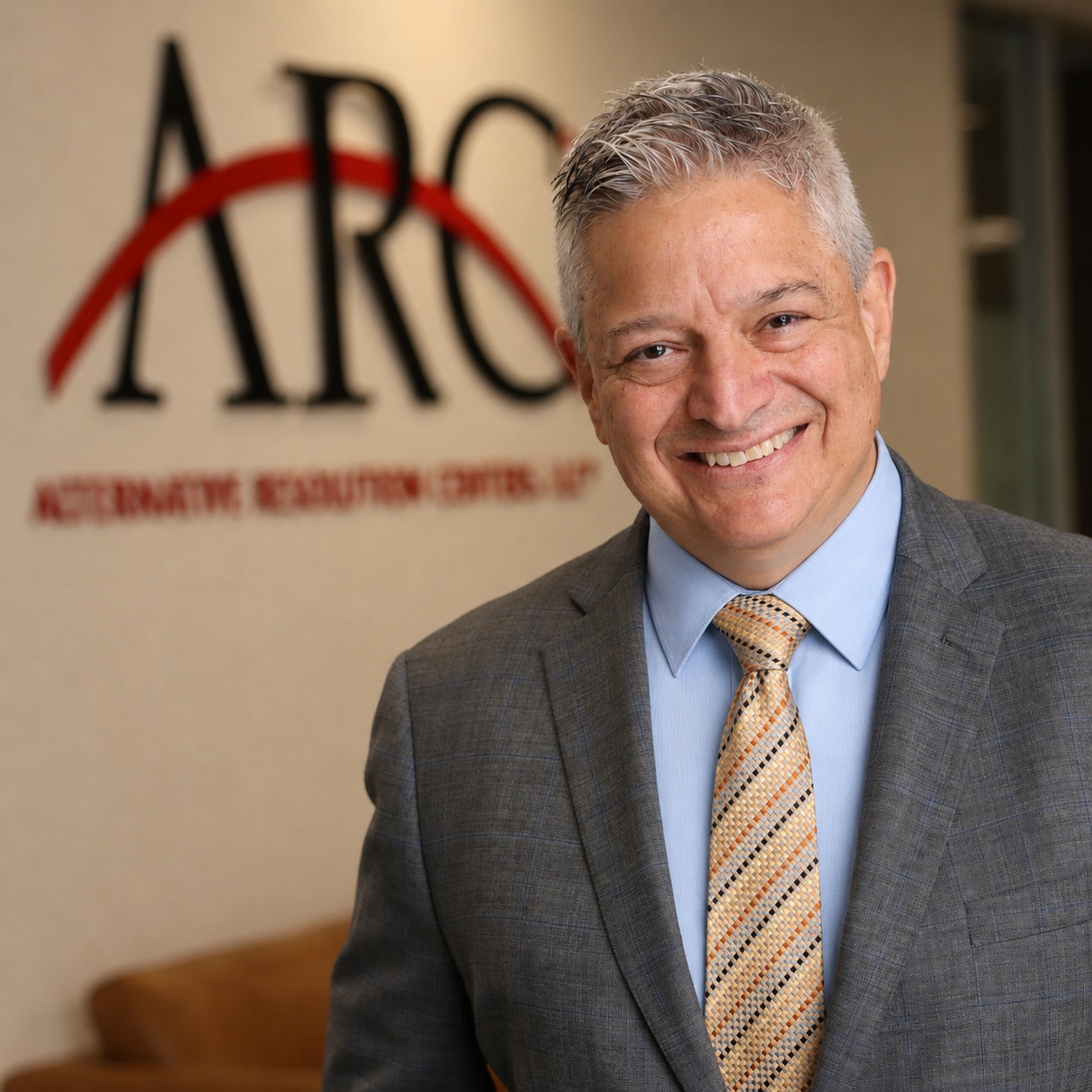
Dr. Paul J. Molinaro says mediation gives litigants something litigation often takes away: control over the outcome.
A practicing physician for 34 years and a lawyer for two decades, Molinaro brings an uncommon dual background to his mediation practice through MD JD Dispute Resolution. Over the past two years, he has volunteered with the Los Angeles County Superior Court's Mediation Volunteer Panel, or MVP, as well as similar programs in Riverside and Ventura counties.
Molinaro said he was initially drawn to volunteer mediation work because it helps courts reduce crowded dockets while also giving parties a chance to resolve disputes earlier and more efficiently. At the same time, the programs gave him the practical experience necessary to develop as a mediator after completing formal training through Pepperdine University's Straus Institute for Dispute Resolution.
"The LA MVP and other volunteer programs were my residency," Molinaro wrote in a questionnaire completed for the Daily Journal. "Over time, that volunteer work also became the foundation for my private practice."
Before becoming a mediator, Molinaro spent years negotiating cases through mediation as an advocate. That experience, he said, taught him both what works and what frustrates litigants and attorneys during the process. As a result, he emphasizes active participation from everyone involved rather than simply exchanging settlement numbers between conference rooms.
"I make sure all parties -- not just counsel -- have an opportunity to actively participate," he wrote. "I won't just shuttle numbers between rooms."
Molinaro's background as both a physician and attorney also shapes the types of disputes he frequently handles, particularly cases involving medical malpractice, severe bodily injury and technically complex issues. He believes mediation can be especially valuable in matters where the uncertainty of how jurors will understand specialized subject matter creates significant trial risk.
Neutrality, however, remains central to his approach. Molinaro said mediators must constantly guard against personal bias and ensure that all participants feel they were treated fairly and impartially.
"When I mediate, I want all parties -- and their counsel -- to walk out feeling certain that I was impartial," he explained.
Now conducting roughly one or two volunteer mediations each week, Molinaro said some of the most rewarding moments come when parties realize they still have power over the resolution of their dispute.
"Trial will take all power away from the parties," he wrote. "Mediation gives them a chance to have power over the outcome."
Molinaro added that mediation remains a craft requiring continual study and refinement.
"A mediator should never get stagnant," he wrote. "The craft demands continuing to learn and to bring what you learn into the next session."
Learn more about the Superior Court of Los Angeles County's Mediation Volunteer Panel and view mediator profiles at www.lacourt.ca.gov/ADR or scan the QR code. MVP mediators volunteer to coordinate and conduct three-hour mediations at no charge for cases referred by the court.
For reprint rights or to order a copy of your photo:
Email
Jeremy_Ellis@dailyjournal.com
for prices.
Direct dial: 213-229-5424
Send a letter to the editor:
Email: letters@dailyjournal.com