


Real Estate/Development
Jun. 11, 2026
Supreme Court closes door on 23-year Jogani litigation
The California Supreme Court declined to review a Court of Appeal ruling largely upholding a massive judgment in a two-decade battle over an alleged oral real estate partnership among the Jogani brothers.


The California Supreme Court on Wednesday declined to review a ruling in the long-running dispute between brothers Shashikant "Shashi" Jogani and Haresh Jogani, leaving largely intact a multibillion-dollar judgment in one of the longest-running civil cases in California history.
The court's June 10 denial leaves standing a Court of Appeal decision that largely affirmed a $6.85 billion judgment, while requiring the elimination of about $1.98 billion in economic damages unless the plaintiffs elect a new trial on those claims.
The dispute began in 2003, when Shashi Jogani sued Haresh, alleging breach of an oral partnership agreement involving a Southern California apartment portfolio. Shashi claimed that after suffering financial losses from the 1994 Northridge earthquake, he used loans from his brothers to rebuild and expand a real estate business, with an agreement that he would receive a 50% ownership interest once the loans were repaid with interest.
Haresh denied that any partnership existed and maintained that he alone owned the properties.
In February 2024, after a five-month trial, a Los Angeles jury found for Shashi and three other brothers who joined the case as cross-complainants. The judgment included declaratory relief recognizing ownership interests, compensatory damages and $3 billion in punitive damages.
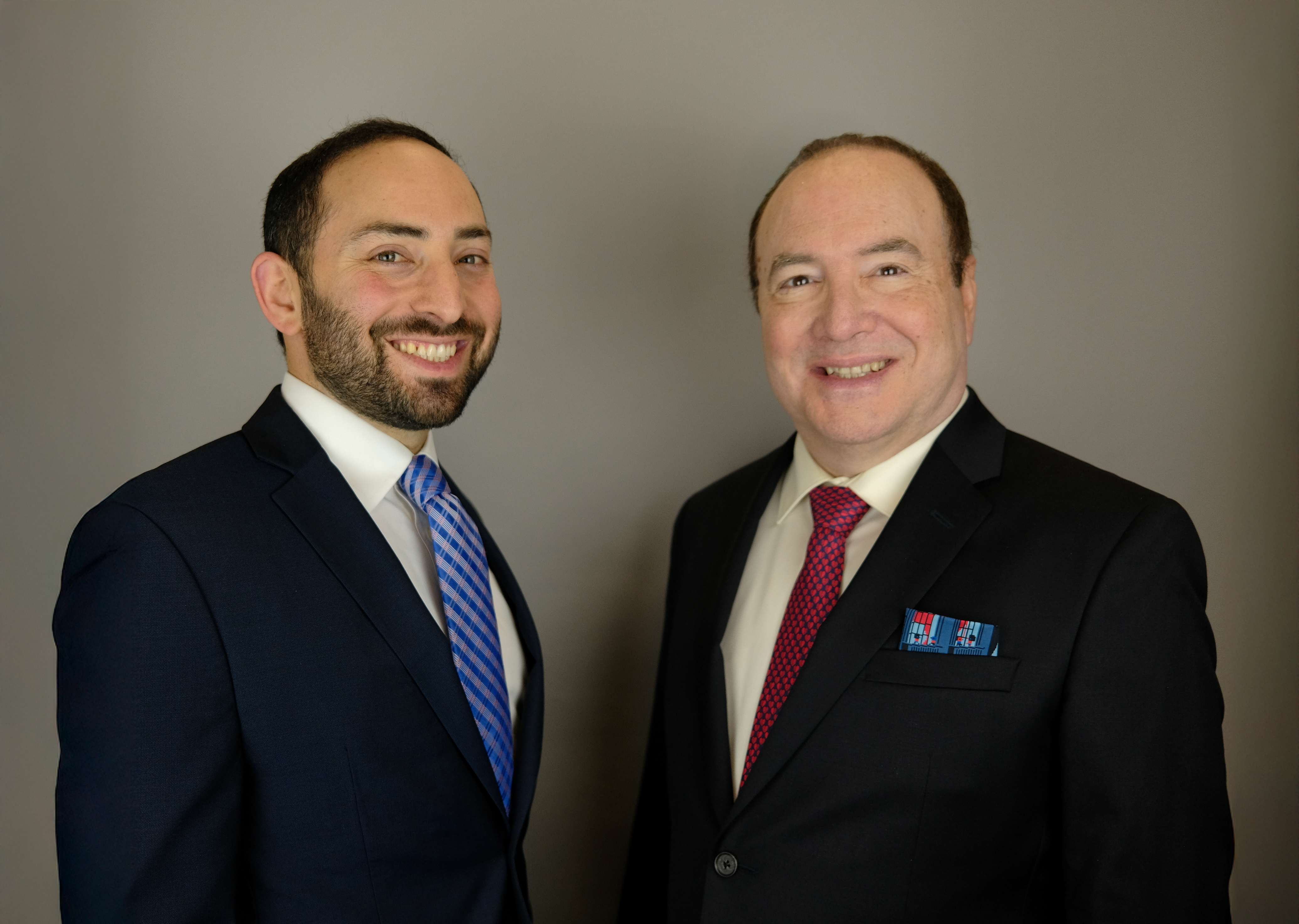
Steven R. Friedman and Michael E. Friedman of Friedman² LLP in Los Angeles, who represent Shashi, said Thursday that the Supreme Court's denial effectively ends the case.
"This will be the first time in 23 years that he's going to be back in control of the real estate empire he built, so he's really looking forward to that," Steven Friedman said.
Friedman said the case required the plaintiffs' team to overcome years of delay and sharply contested factual issues over the alleged oral agreement.
"It was a very unusual case," he said. "We had to believe in the case to go forward and stick with it."
Michael Friedman said the presentation of evidence at trial was central to the outcome.
"I think the presentation of it was crucial here," he said. "We went up against, in this case, all the money in the world, and there's no way that even that, with excellent lawyers on the other side and enormous firms, could thwart the plan we had put together in terms of the way we were going to present this case at trial."
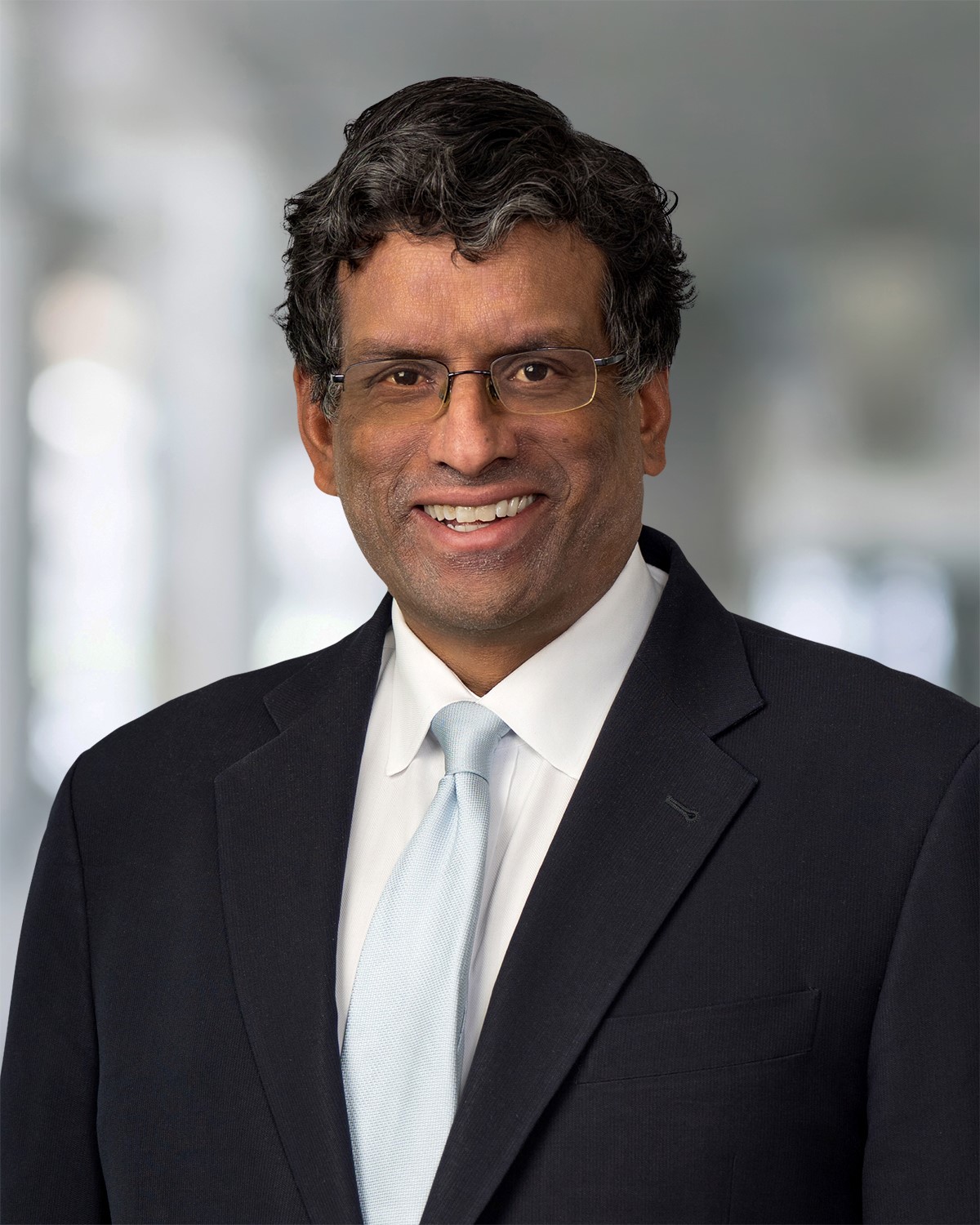
Raymond A. Cardozo of Reed Smith LLP in San Francisco, who also represented Shashi, said in an email that the ruling brought finality after more than two decades of litigation.
"Shashi's sweeping victory and perseverance is a testament to the adage that the 'mills of justice grind slowly, but they grind exceedingly small,'" Cardozo said.
Haresh was represented by attorneys from Stris & Maher LLP, Hogan Lovells and Milbank LLP. They did not respond to requests for comment by press time Thursday.
During the trial, Haresh's defense team repeatedly moved for a mistrial and sought to disqualify Los Angeles County Superior Court Judge Susan Bryant-Deason. They accused her of judicial misconduct and racial animus toward people of Asian descent, citing remarks she made to prospective jurors during voir dire.
The Commission on Judicial Performance later publicly admonished Bryant-Deason for remarks it described as demeaning, but disqualification motions were denied by outside judges who found no basis to conclude she could not be impartial.
With the Supreme Court's denial of review, the judgment now stands subject to the modification ordered by the Court of Appeal. Prior court records noted that interest was accruing on the judgment at a rate of $221,450 per day while the appeal was pending.
Skyler Romero
skyler_romero@dailyjournal.com
For reprint rights or to order a copy of your photo:
Email
Jeremy_Ellis@dailyjournal.com
for prices.
Direct dial: 213-229-5424
Send a letter to the editor:
Email: letters@dailyjournal.com