


Labor/Employment
Nov. 23, 2026
Policing public statements: Sacramento Superior Court gets it wrong
A Sacramento Superior Court statement issued during a court reporters' strike raises concerns about judicial impartiality by emphasizing the protection of victims while overlooking the rights of defendants and potentially casting striking court reporters as threats to public safety.



Jeffrey A. Aaron
Criminal Defense Attorney in SacramentoCertified Specialist in Criminal Law
Rutgers Univ SOL; Camden NJ
Jeffrey is a certified specialist in criminal law by the State Bar of California Board of Legal Specialization.
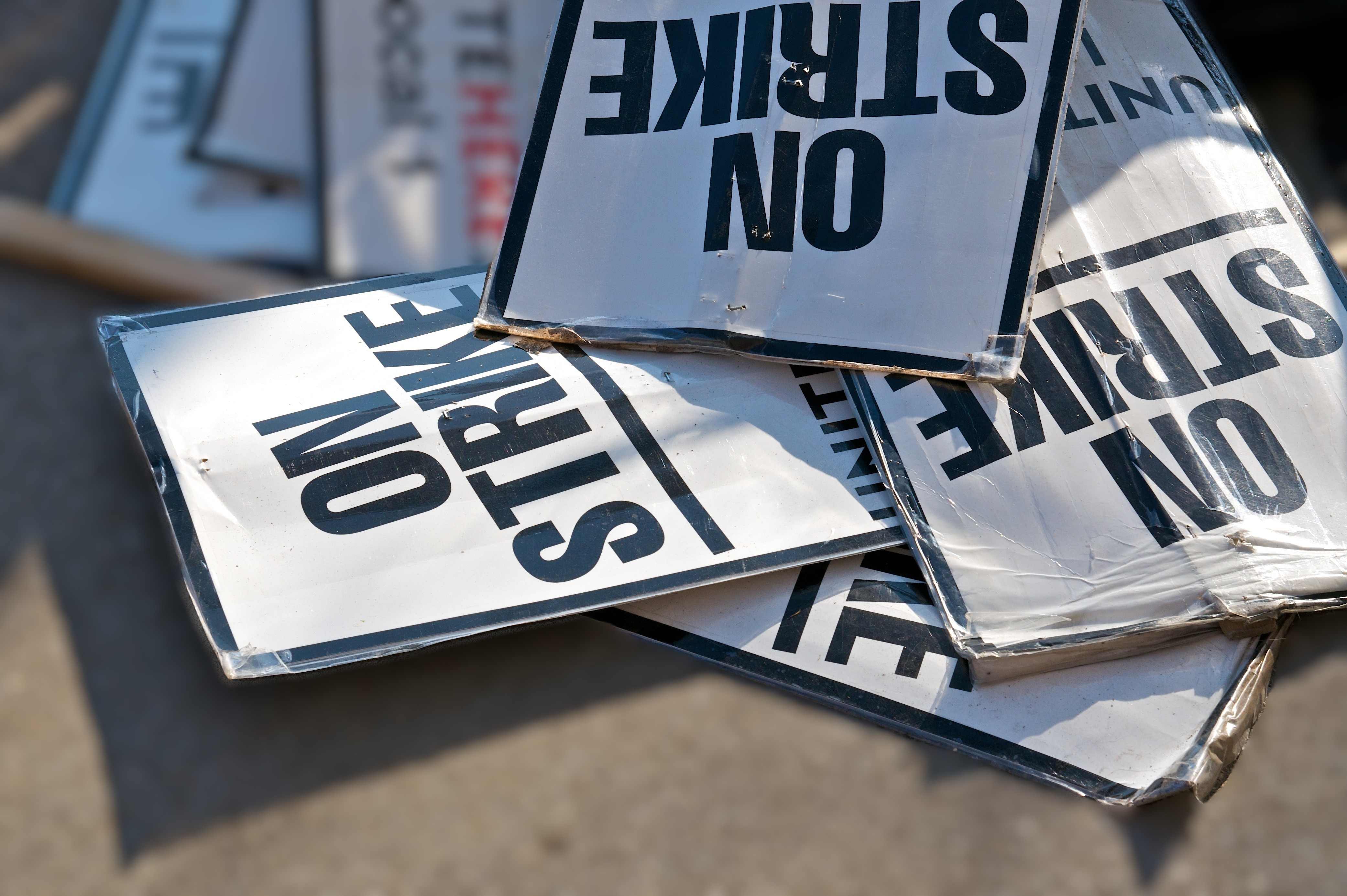
The hardworking and underpaid court clerks and reporters in Sacramento were on strike. Because the reporters were on strike and many attorneys did not or could not stipulate to electronic recordings, many proceedings could not move forward. On March 17, Sacramento Superior Court Executive Officer Kelly Sullivan published a news release explaining that the courts were still open, describing what services would continue to be provided, and updating the public on the labor negotiations. Unfortunately, Sullivan went beyond that to assure the public that the court would remain open to protect victims, families, and children in biased and inappropriate language. The statement provided yet another instance of how failures to police the statements of court staff, or employees in an attorney's office, can endanger the legal system.
Just as attorneys must supervise and take responsibility for the actions of subordinates, so too must judges be responsible for the ethical conduct of court employees. Commission on Judicial Performance, Judicial Misconduct Involving Court Employees (2023) at p. 27. Under the California Rules of Court, Standard 10.20, subd. (b), "[e]ach court, its judicial officers, and its employees have the duty to ensure the integrity and impartiality of the judicial system." They are specifically charged not to show bias on no fewer than 19 separate grounds, as well as the catch-all provisions in the Government Code and Code of Judicial Ethics, whether that bias is directed toward the participants in litigation or "any other person." (Id.)
In her statement, Sullivan said the court would stay open because for many people "this court is the last safe place they have." Women needed to ask a judge for protection, children were living in unendurable conditions and needed judges to ensure their safety, and victims were traumatized by the prospect of delaying their confrontation with the person who harmed them. The court's employees, wrote Sullivan, "will protect the vulnerable."
There were plenty of words of support for "these victims, these families, [and] these children." There were plenty of words vowing support for victims who "have waited years for this moment," and promising that the courts "will not ask them to go home and find that courage again another day." There were no words of support for the persons accused of crimes, many of whom were innocent or excessively charged, and who awaited their date to be exonerated and to simply go home. No words of support for the rights of everyone to a fair and public trial, to due process and equal protection of law.
Setting aside the one-dimensional view of the court's role, Sullivan's remarks made two other troubling insinuations. First, the CEO's statements implied that the court reporters, by exercising their right to strike, might somehow endanger or harm those victims, families and children. Second, the court's only role was to protect those victims, families and children who needed protection or relief from unsafe living conditions, or who had to summon up the courage to face their accusers.
While it was inappropriate for Sullivan to make such statements, I would like to believe it was another instance of misfeasance as opposed to malfeasance. All too often the crucial foundation of the adversarial system -- absolute impartiality for all litigants -- is compromised in pretrial public statements, such as these, and, indeed, at every stage of litigation, from the selection of defendants to prosecute to their sentencing and, ultimately, to the appellate court's review of their case on appeal. If we value fairness and impartiality in our legal system, we should ensure it from the start, and it starts with the fairness and impartiality of the courts and their staff.
Submit your own column for publication to Diana Bosetti
For reprint rights or to order a copy of your photo:
Email
Jeremy_Ellis@dailyjournal.com
for prices.
Direct dial: 213-229-5424
Send a letter to the editor:
Email: letters@dailyjournal.com