


Immigration
Oct. 23, 2026
When the immigration fellowship pipeline falters, firms can help rural legal aid hold the line
California's Immigration Legal Fellowship remains funded but lacks permanent statutory protection, leaving law firms an opportunity to help expand access to legal representation in underserved rural communities.


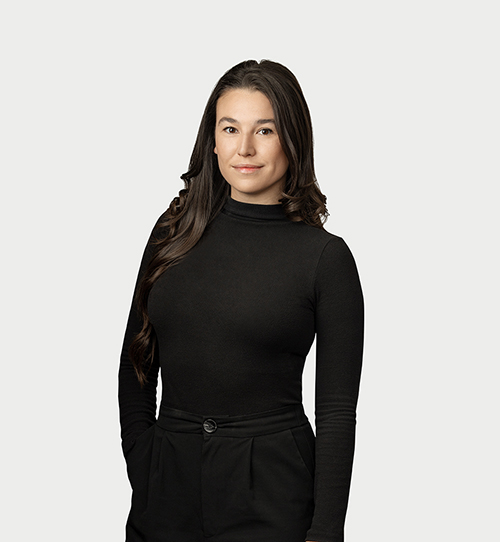
Ariana Sañudo
Associate Attorney
Gibson, Dunn & Crutcher LLP
Phone: (213) 229-7000
Email: asanudo@gibsondunn.com
On Sept. 27, Gov. Gavin Newsom vetoed SB 1194, Sen. Anna Caballero's bill to codify the Immigration Legal Fellowship. Since 2021, the pilot program has placed newly admitted lawyers at immigrant-serving organizations in "legal desert" regions of the state (Central Valley, Inland Empire and Central Coast), each paired with an experienced immigration law mentor.
The veto does not end the program outright, nor does it undermine the state's broader investment in its immigrant population and the lawyers who serve them. But it leaves specifically rural capacity without a statutory anchor just when that capacity is most needed. The private bar can help fill the gap if it works through the organizations already on the ground.
California's current immigration services funding and legal deserts
To be sure, California's 2026-27 budget still funds substantial social services for noncitizens, including free and low-cost legal representation in immigration proceedings. The signed budget provides at least $100 million for immigration legal services statewide, and the state's overall investment in immigration legal services is the largest in the country. By statewide measures, California's showing is strong, particularly on the removal defense side: As of August 2026, 74% of Californians with pending immigration court cases had counsel; nationwide, only 24% of people ordered removed that month had a lawyer.
But the statewide average hides disparities in access to counsel between urban and rural areas. Many of the latter regions are considered "legal deserts," where there is a severe shortage of lawyers compared to the population's legal needs; often, these are high-poverty areas, which can compound both the need for additional legal services and the population's inability to access the attorney services that do exist. For example, while the Bay Area and greater Los Angeles area average around one attorney for every 120 to 160 residents, that figure dramatically drops to one per 650 to 1000 residents in more rural counties in the Central Valley and Inland Empire. (These numbers count all attorneys; immigration specialists are, of course, significantly rarer). And for noncitizens in particular, geography compounds with other barriers to obtaining legal representation: lack of familiarity with the American legal system, lack of English-language fluency, and social and cultural insularity, to name a few.
Recent studies show that the legal desert issues may be becoming more acute, as increasingly fewer law graduates in California express interest in rural practice. Between substantial student debt loads for graduates, overall increases in costs of living, and changing sociocultural expectations for legal careers, many new members of the bar are unable or unwilling to commit to practicing law in rural, underserved parts of the state.
Legal deserts' intersection with viable claims
Recent estimates indicate over one-quarter of Californians (approximately 11 million people) are foreign born, and nearly half of that population are not U.S. citizens. The California State Bar's 2024 Access to Justice Gap Study found that "[n]early one in 10 California households reported having experienced a civil legal problem related to immigration," and that is almost certainly an underreporting. In 2024, Californians sought out legal help for immigration issues more than any other type of civil legal problem, surpassing personal injury, family and custody issues, housing and employment--but only 2% of active attorneys in California report practicing immigration law.
As in other areas of law, in immigration proceedings, access to representation decides outcomes. TRAC data show that nearly seven in 10 unrepresented noncitizens in removal proceedings are ordered deported; for those with a lawyer, the figure is fewer than three in 10. And an August 2026, TRAC report confirms that a noncitizen's zip code correlates with her likelihood of being represented by counsel in removal proceedings.
The fellowship's history and current status
The Immigration Legal Fellowship was piloted in 2019 with an initial cohort of 10 legal fellows who would be trained by established legal aid organizations (often in more urban, lawyered parts of the state) and placed in organizations serving rural communities. The sponsors positioned the fellowship as both individual and institutional capacity building, emphasizing that California is not able to spend its earmarked immigration money equitably because there is a shortage of organizations in high-need, low-resource regions qualified to receive state funds under the Welfare and Institutions Code. The fellowship would create a pipeline of not only individual lawyers with appropriate expertise in legal deserts but also open institutional doors to additional state resources.
With last month's veto, the fellowship continues to exist, and funds are appropriated for the next three years in the budget. But it remains a pilot rather than a standing program, subject to discretionary dismantling, and the emphasis on rural and underserved regions is not codified.
How law firms can help
In a predominantly urban and overall well-resourced state like California, the legal needs of rural residents may be overlooked in statewide conversations. Relatedly, large law firms may be focused primarily on directing pro bono resources to the metropolitan areas where they have offices. But all lawyers have an obligation to increase access to justice, and firms have an important role to play in securing that promise for our most vulnerable community members.
Firms cannot replace rural providers and should not try. But firms can partner with trusted local legal aid organizations who conduct client intakes and provide subject-matter expertise, while firms bring resources, capacity and complementary expertise of their own. Firms can lighten overburdened legal aid lawyers' loads by taking on referred affirmative cases and co-counseling on removal defense and federal court litigation matters representing noncitizens, as well as impact cases to bring about systemic change in how immigration proceedings and enforcement are carried out. Firms can also invest in institutions, funding fellowships and rotation programs with nonprofit partners.
The path forward
The veto left the fellowship alive but without a statutory anchor and without a clear tether to the most vulnerable residents of our state. Advocates will likely return to the Legislature, but in the meantime, the private bar can help supply lawyers, training and staying power where they are scarcest.
Submit your own column for publication to Diana Bosetti
For reprint rights or to order a copy of your photo:
Email
Jeremy_Ellis@dailyjournal.com
for prices.
Direct dial: 213-229-5424
Send a letter to the editor:
Email: letters@dailyjournal.com