


Oct. 16, 2026
Stephen Lobbin says trust is key to effective mediation
Intellectual property and business litigator Stephen M. Lobbin draws on 31 years of experience to help parties confront the practical realities of their disputes and find common ground.


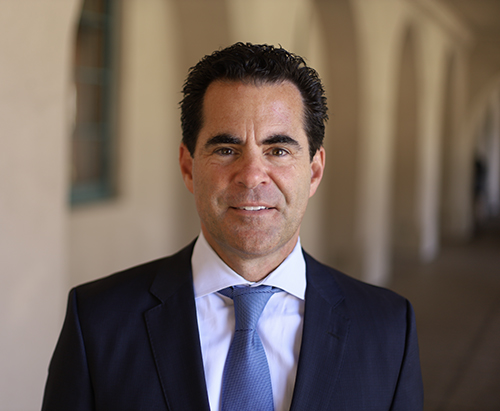
Stephen M. Lobbin describes mediation as an art rather than a science.
But after 31 years practicing law and advocating in hundreds of cases, Lobbin believes experience gives a mediator a substantial collection of clues about what can bring parties together.
"Being an advocate in hundreds of cases has given me great insight into what factors lead to a mediated resolution of any case," he said, pointing to personalities, money at stake, legal principles and even the disposition of the judge handling the litigation.
Lobbin, of SML Avvocati P.C., specializes in intellectual property and business litigation. He has served for more than three years on Los Angeles County Superior Court's Mediation Volunteer Panel and previously volunteered on a similar federal court panel.
A UCLA School of Law graduate, Lobbin said public service was emphasized during his legal education. Volunteering as a mediator allows experienced attorneys to contribute to the efficient administration of justice, he said.
The transition from advocate to mediator requires a change in perspective.
An advocate must persuade a judge or jury, Lobbin said. A mediator instead must earn the parties' trust and help them confront the practical realities of their dispute.
To build that trust, Lobbin borrows a concept from one of his business networking organizations: "know-like-trust."
The process begins by getting to know the people involved and finding common ground before asking them to trust the mediator.
"This process takes some time and small talk off the topic at hand," Lobbin said, "but in the end it is essential to the parties' satisfaction with the experience in which neither side ever really gets everything they might want."
Lobbin typically conducts about 10 volunteer mediations a year, favoring business disputes in which both sides are represented by counsel.
When parties are far apart, he said, time itself can become an important part of the process. The more parties invest in mediation, the more willing they may become to make concessions. Sometimes a significant court ruling, such as the denial of a motion for summary judgment, can also change the parties' assessments and bring them closer together.
Lobbin believes ADR should play an even larger role in litigation. He favors requiring at least one ADR proceeding before trial and potentially more than one.
Even an unsuccessful mediation can prove valuable, he said, because the time spent confronting the dispute may lay the groundwork for a later settlement.
For Lobbin, the ultimate attraction is straightforward: "I like an efficient and effective system of justice at work."
For reprint rights or to order a copy of your photo:
Email
Jeremy_Ellis@dailyjournal.com
for prices.
Direct dial: 213-229-5424
Send a letter to the editor:
Email: letters@dailyjournal.com