


Oct. 15, 2026
Supreme Court sided with Motoike in two of her three dissents
New 4th District Presiding Justice Joanne Motoike, whose dissents were twice vindicated by the state Supreme Court, faces retention vote.


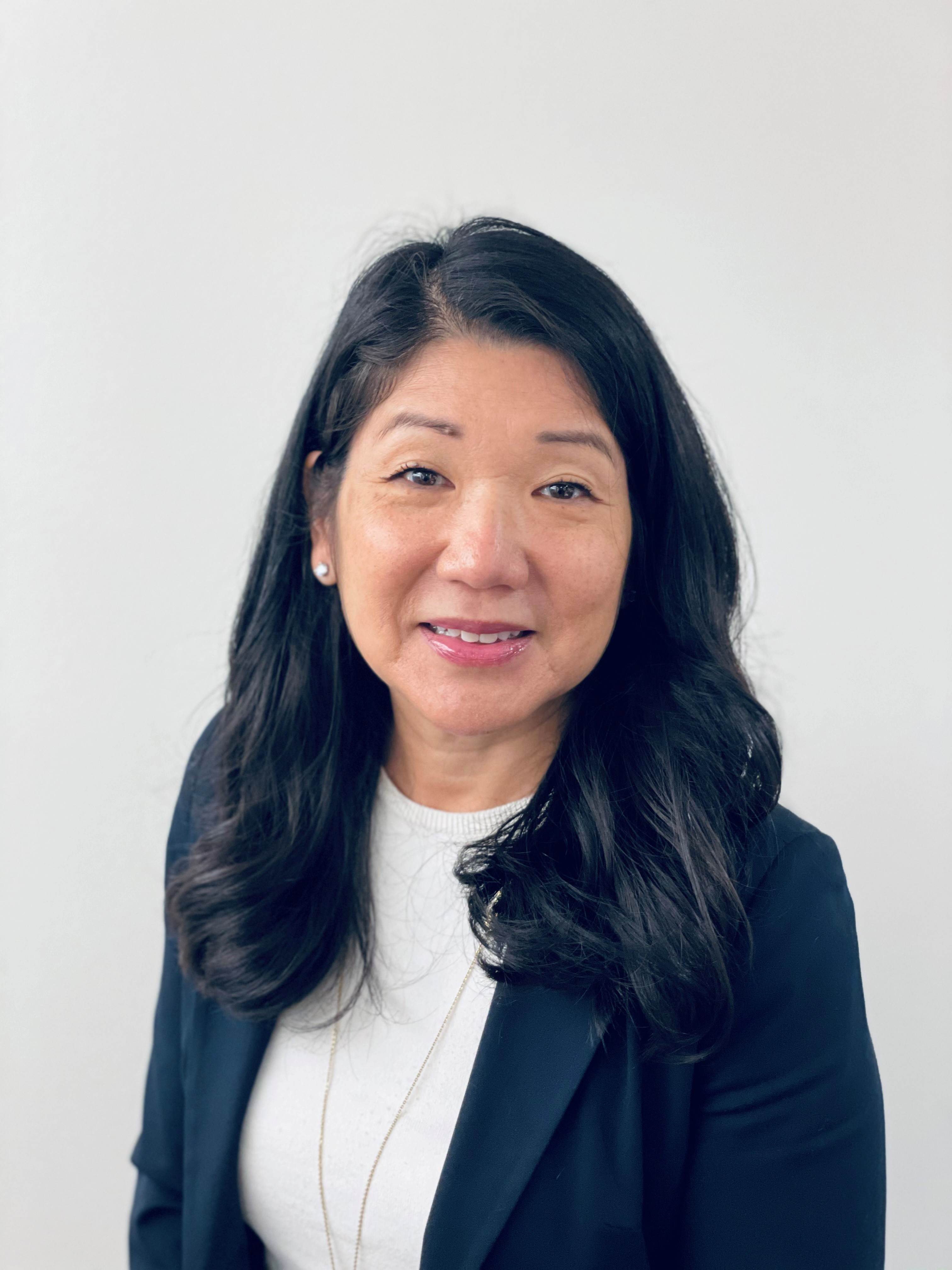
Justice Joanne Motoike has written three dissents since joining the 4th District Court of Appeal in 2022. The state Supreme Court took up two of them, reversing or ordering the majority's decision vacated.
Gov. Gavin Newsom nominated Motoike to succeed the retiring presiding justice as head of Division 3. She was confirmed in May and seeks a four-year term in the Nov. 3 retention election.
A dispute over when a prisoner can demand a speedy trial produced one of those dissents. In People v. Hyatt (2025), the majority upheld dismissal of an Orange County assault charge because prosecutors missed a defendant's 90-day deadline. Sentenced to state prison in another case, he was still in county jail when he demanded trial under Penal Code Section 1381.
Motoike called the majority's ruling "an unwarranted departure from decades-old, settled case law." "The operative word in the statute is the word 'in,'" she wrote.
In August, the Supreme Court unanimously reversed, holding that the demand was premature because the defendant had not yet been delivered to state prison.
Her other dissent to draw Supreme Court intervention concerned a convicted murderer's eligibility for resentencing. In People v. Martinez (2025), the appellate majority upheld denial of resentencing to a man convicted of second-degree murder who argued that ambiguous jury instructions had allowed jurors to impute malice to him. The majority said the error could have been raised on direct appeal.
Motoike disagreed, writing that she could not "separate the issue of the erroneous instructions from the issue of whether the petitioner has cleared the low prima facie bar."
In April, the Supreme Court held in People v. Lopez that such defendants are not barred from relief and directed the appellate court to vacate Martinez.
Despite those disagreements, Motoike said in emailed comments that dissents are the exception for her. "I believe consensus building serves the public because unanimity in the court, when possible, brings clarity in the law."
Her third dissent, in Freem v. Superior Court (2024), involved a FedEx mechanic fired at 53 for allegedly falsifying work records. The majority allowed his age discrimination and harassment claims to proceed, citing in part testimony that a supervisor had called him slow.
Motoike saw the evidence differently. "This is the relatively rare case where an employer has presented an overwhelming amount of relevant, undisputed evidence establishing the dearth of a triable issue of material fact," she wrote. She observed that the supervisor pressed his whole crew to work faster. "There is no evidence slowness in completing [preventive maintenance] has anything to do with age."
One of her majority opinions, meanwhile, prompted a legislative response. In Rogers v. City of Redlands (2025), she held that the city violated a Vehicle Code provision by including $3.62 million in annual street-repair costs in garbage rates to cover damage from its trucks.
Newsom signed SB 922 in August, clarifying that local governments may continue charging fees for street damage caused by heavy vehicles providing essential services, including garbage and recycling collection.
A heavily intoxicated woman who fell from a Fashion Island parking structure sued the property owner, arguing that by hiring security guards it had assumed a duty to protect her. In The Irvine Co. v. Superior Court (2023), Motoike and the panel rejected that claim, finding that hiring the guards had not increased her risk and that she had not relied on them.
Raised on a California farm, Motoike has said her father's internment during World War II helped draw her to public defense. She graduated from Loyola Law School in 1993 and spent about a year as a TV extra during a hiring freeze before she joined the Orange County public defender's office in 1994. She spent 17 years there, leaving from 2006 to 2008 to work as a trial attorney for the prosecutor at the U.N. International Criminal Tribunal for the former Yugoslavia.
Gov. Jerry Brown appointed her to the Orange County court in 2013.
Laurinda Keys
laurinda_keys@dailyjournal.com
For reprint rights or to order a copy of your photo:
Email
Jeremy_Ellis@dailyjournal.com
for prices.
Direct dial: 213-229-5424
Send a letter to the editor:
Email: letters@dailyjournal.com