


Oct. 13, 2026
Mesiwala brings research attorney's eye to 3rd District bench
Justice Shama Mesiwala, a former 3rd District research attorney, has written on prison credits, tribal child welfare and criminal procedure as she seeks a four-year term Nov. 3.


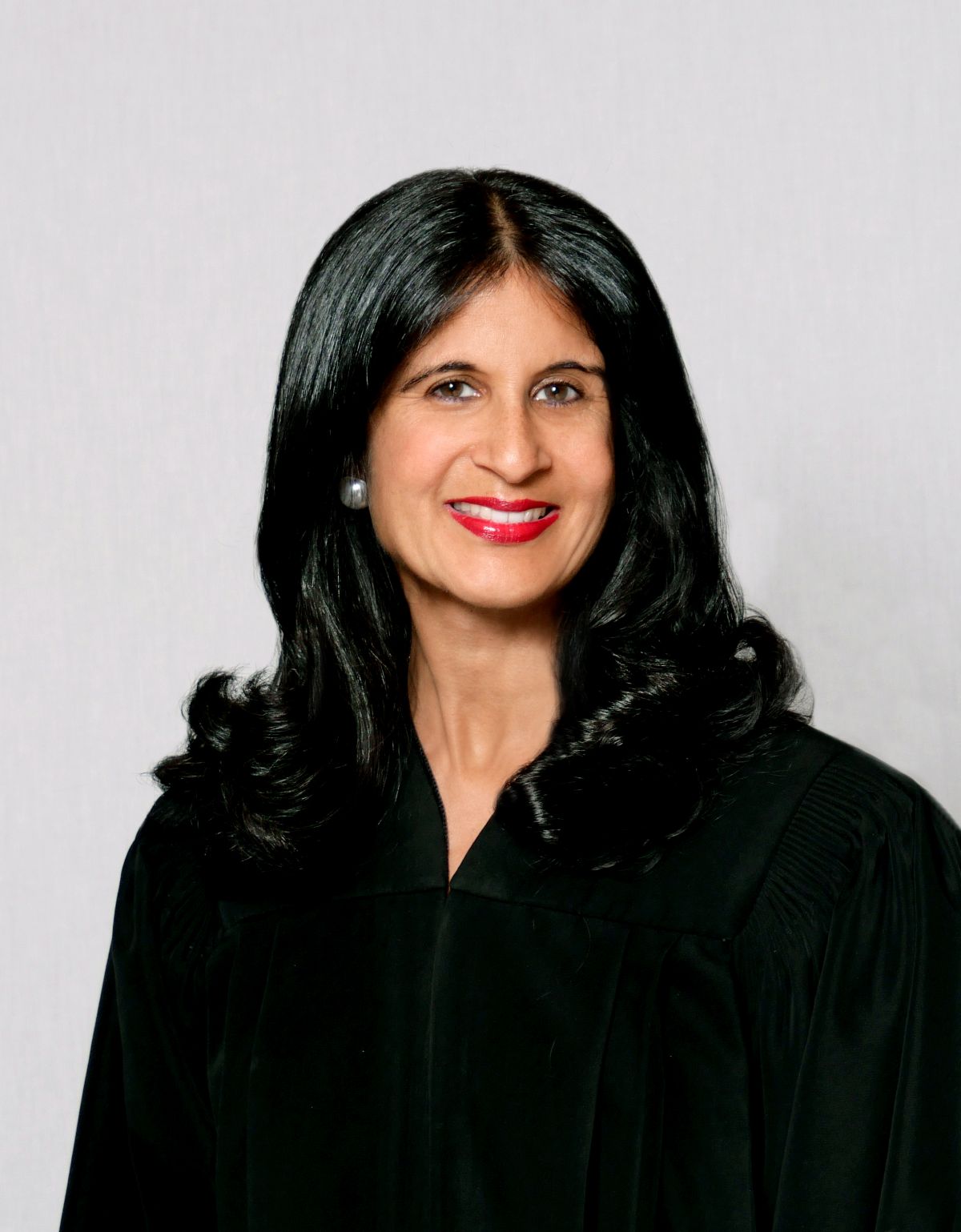
Proposition 57 freed state prison officials from statutory limits on awarding sentence-reducing credits, Justice Shama H. Mesiwala of the 3rd District Court of Appeal ruled. But she also held that the measure did not let officials use those credits to move up parole eligibility for inmates serving indeterminate sentences.
The California Supreme Court is now reviewing that decision as Mesiwala asks voters Nov. 3 for a four-year term.
In Criminal Justice Legal Foundation v. Department of Corrections and Rehabilitation (2025), Mesiwala concluded the 2016 voter initiative allowed prison credit regulations to supersede conflicting statutes. But because Proposition 57 is silent on minimum eligible parole dates for indeterminately sentenced inmates, corrections officials could not use credits to advance them.
The Supreme Court granted review last year.
The high court already sided with Mesiwala in Doe v. Marysville Joint Unified School District (2023). She dissented when the 3rd District majority held that the federal "two-dismissal rule" barred former students from pursuing claims that a school counselor sexually abused them.
"California's claim preclusion law governs, allowing plaintiffs who voluntarily dismiss an action without prejudice to refile, not federal law," she wrote.
A unanimous Supreme Court reversed July 2, holding the federal rule applies only in federal court. On remand, Mesiwala joined the panel reinstating the suit. The district has asked the U.S. Supreme Court to review the case.
Confirmed to the 3rd District in 2023, Mesiwala was the first South Asian and Muslim woman on a California court of appeal. She had spent 13 years there as a research attorney, including 11 as chambers attorney to Justice Ronald B. Robie.
The Indian Child Welfare Act has run through Mesiwala's career. As a Sacramento County Superior Court commissioner and judge, she helped create an ICWA courtroom where tribal representatives could appear remotely rather than drive hours to court. She now co-chairs the Judicial Council's Tribal Court-State Court Forum.
"We have the state judiciary, we have the federal judiciary, and we have the tribes, all of whom are equal sovereigns," she said in a Judicial Council interview.
In In re C.L. (2023), Mesiwala held that counties must ask extended family about a child's possible Indian status even when the child is removed under a protective custody warrant. The Supreme Court later reached the same conclusion in another case.
Other opinions have favored criminal defendants on procedural grounds, including rulings that drugs intercepted in prison mail did not alone establish a conspiracy with the inmate, that a defendant does not forfeit an objection to a peremptory challenge when objecting would have been futile, and that a lawyer representing two co-defendants at resentencing had a conflict when arguing one deserved relief more than the other.
Mesiwala has not consistently favored challenges to government authority. Dissenting in Lucky Chances, Inc. v. California Gambling Control Commission (2024), involving a card room, she argued the majority read the commission's disciplinary powers too narrowly. Its interpretation "may also lead to unintended consequences," she wrote, by preventing discipline for misconduct not expressly identified in a statute, regulation or license condition.
Attorneys who appear before Mesiwala say her years as a research attorney remain apparent at oral argument.
"She gets really into the case law," Elk Grove appellate attorney Athena Roussos told the Daily Journal last year. "She typically asks pretty pointed questions, but she seems open to being persuaded."
"She's not trying to trick anyone," said Sacramento attorney Stephanie J. Finelli. "She definitely keeps an open mind and comes across as eager to learn."
A 1998 UC Davis School of Law graduate, Mesiwala began as a defense lawyer with the federal public defender and the Central California Appellate Program.
She has taught appellate advocacy at UC Davis since 2013 and calls teaching and mentoring her proudest work off the bench. She also chairs the local California Judicial Mentor Program committee.
Laurinda Keys
laurinda_keys@dailyjournal.com
For reprint rights or to order a copy of your photo:
Email
Jeremy_Ellis@dailyjournal.com
for prices.
Direct dial: 213-229-5424
Send a letter to the editor:
Email: letters@dailyjournal.com