


Sep. 30, 2026
Kim rulings weigh what public agencies owe employees, litigants, ratepayers


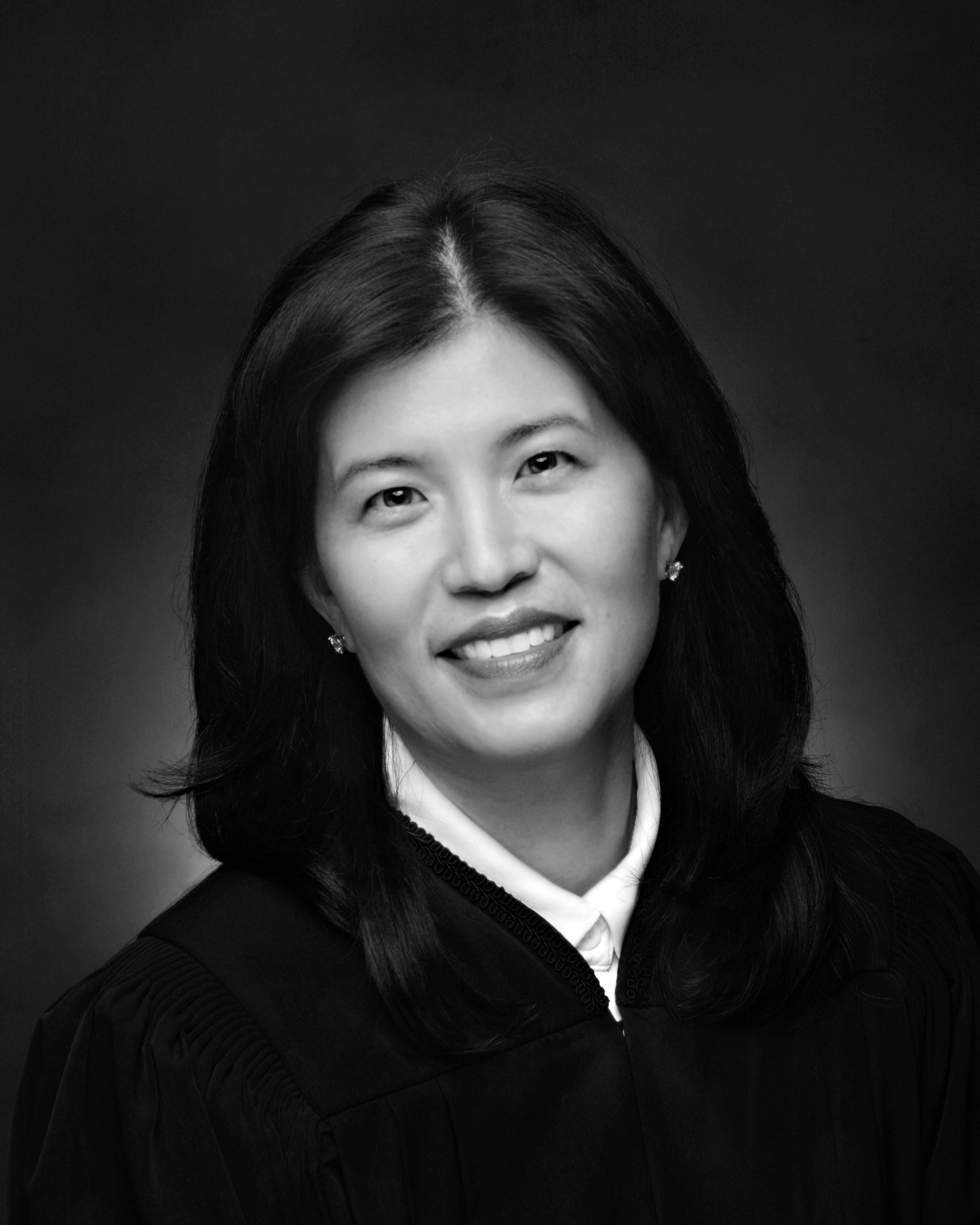
When professor Patrick Krug's Cal State Los Angeles office was closed under COVID rules, he bought a computer and printer to teach from home. Justice Michelle C. Kim concluded the expense reimbursement statute did not require the university to reimburse him.
Krug v. Board of Trustees of California State University (2025) is among Kim's opinions examining what public agencies owe employees, litigants and ratepayers. Gov. Gavin Newsom appointed Kim to the 2nd District Court of Appeal, Division 1 in 2024, and she faces voters in the Nov. 3 retention election.
Kim held that Labor Code Section 2802, the employee expenses statute, did not require the university to reimburse Krug. The state Supreme Court ordered reconsideration in light of Stone v. Alameda Health System (2024), but the panel again affirmed.
Krug argued that "employer" without qualification covers all employers. Kim found the term ambiguous. "As Stone instructs, Krug's end point is only the beginning," she wrote.
Other provisions expressly cover employers "whether private or public," while the Legislature applied workers' compensation law to public employers in the same 1937 session. "This legislative silence is especially voluble," Kim wrote. An evidentiary Department of Finance report offered only "three unexplained words" that could not establish legislative intent, she wrote.
In a reversal ruling in O.B. v. Los Angeles Unified School District (2025) Kim concluded that Assembly Bill 218, which revived lapsed childhood sexual assault claims against public entities, was not an unconstitutional gift of public funds.
Kim wrote that the Legislature had not created new liability because school districts could already be liable for negligently hiring and supervising abusive employees. The claim requirement was a condition of suing, not an element of liability: "as is self-evident, no government claims have been presented at the time of molestation." The panel agreed with a 2024 1st District decision, West Contra Costa Unified School District v. Superior Court.
In a challenge to Los Angeles' tiered water rates, Kim rejected ratepayers' argument that the city had to show which water sources reached users in each tier. Dreher v. Los Angeles Department of Water and Power (2025).
"The Constitution requires proportionality, not exactness," Kim wrote. It "does not require the City to trace the flow of water from each source of supply to each parcel, molecule by molecule."
Kim wrote that would create an "excessively and unnecessarily complicated infrastructure" that would "almost certainly increase water charges -- the exact opposite of the intent of Proposition 218."
On expert evidence, the court would "not reverse the judgment based on nothing more than speculation that the Drehers might find an expert who might say something helpful about their case," Kim wrote.
On a question of first impression, the panel also held that ratepayers seeking refunds of water delivery charges set by city ordinance must first pay under protest, as Health and Safety Code Section 5472 requires. Because the plaintiffs had not, they could not recover past charges for a low-income subsidy the trial court had found unconstitutional.
In upholding the city's tiered rates, Kim disagreed with a divided 4th District panel's reasoning in Patz v. City of San Diego (2025), creating an appellate court conflict. The state Supreme Court granted review of Dreher in March, limited to the constitutionality of the city's methods for setting tiered rates.
Kim's concern with government institutions and the people affected by them predates her appellate appointment. During her first year as a Los Angeles County Superior Court judge, she told the Daily Journal in 2019: "In my view, it's imperative we keep our view on the people on the margin. That's the bellwether for the health of a society."
Gov. Jerry Brown appointed Kim to the Los Angeles County Superior Court in 2018, where she served six years, mostly in civil matters. She previously spent 15 years as a county public defender.
Off the bench, Kim is vice chair of the Los Angeles Judicial Selection Advisory Committee.
Laurinda Keys
laurinda_keys@dailyjournal.com
For reprint rights or to order a copy of your photo:
Email
Jeremy_Ellis@dailyjournal.com
for prices.
Direct dial: 213-229-5424
Send a letter to the editor:
Email: letters@dailyjournal.com