


Labor/Employment
Aug. 13, 2026
The safety tool retailers keep leaving on the shelf
Workplace Violence Restraining Orders under CCP § 527.8 offer retailers a far more effective way to stop recurring violence, threats and harassment than toothless trespass warnings, with more than 90% of respondents complying once served.



John N. Dahlberg
McLaughlin Stern
155 Sansome Street, Suite 700
San Francisco , CA 94104
Phone: (415) 264-5401
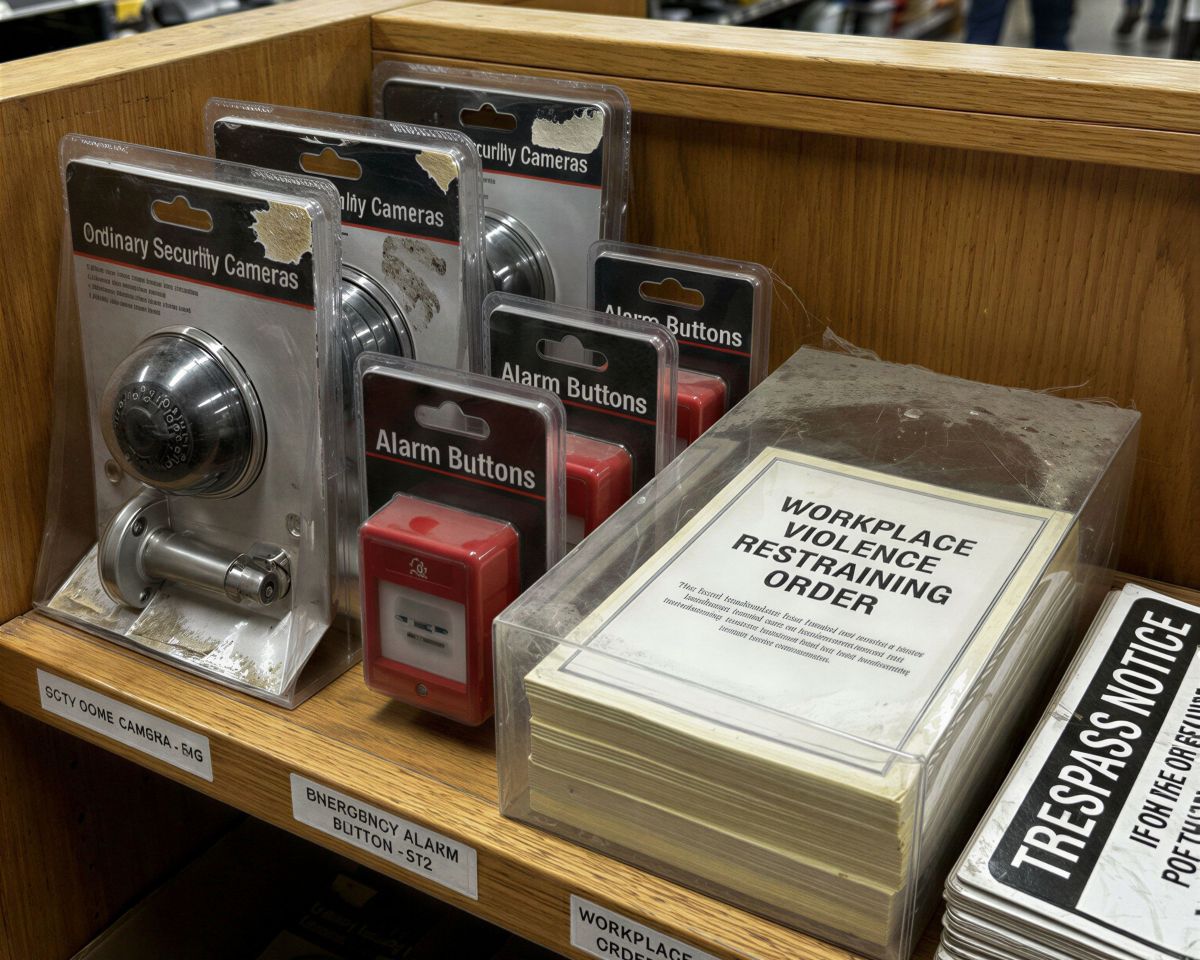
Thieves, robbers, the disorderly and other aggressive trespassers are among the people who batter, threaten and harass California's retail workers in ever-increasing numbers. Yet very few retail and other employers and unions use the most effective tool they have to protect their threatened workforce from such people: Workplace Violence Restraining Orders (WVROs) pursuant to Cal. Code of Civil Procedure § 527.8. The WVRO's initial Temporary Restraining Orders (TROs) and Orders After Hearing (OAH) bar threatening, violent and harassing people from workplaces and from having contact with employees who need real protection.
Some retailers rely entirely on toothless verbal or written "trespass warnings" to stop recurring threats, violence and harassment. Even when given by the police, these warnings may at best buy only a few hours of protection because offenders routinely return and their presence often encourages others to create more disorder which also frightens away customers.
In contrast to warnings, WVROs usually command restrained people to stay away from the workplace and the employee they victimized or face arrest and prosecution. Based on the undersigned's experience in WVRO cases since 2000, more than 90% of restrained people comply with WVROs once they are served. The comparatively few violators who return to a protected workplace after being served are typically arrested and prosecuted for contempt of court, which the police treat as a higher priority call for service than they assign to other misdemeanors and disturbances at stores.
Although this column focuses on retailers, it applies equally to any workplace where employees serve and are abused by some members of the public, such as shopping centers, restaurants, apartment communities and health care providers. WVROs are an underused path to a genuinely safer and more pleasant workplace for employees and customers alike.
Part I: Trespass warnings fail; WVROs protect
Data shows retail workers face battery, stalking, harassment
Retail employees have good cause to worry about their safety at work. According to data collected from retail workers by The Harris Poll in 2025, 35% of retail workers report feeling unsafe at work. 25% said they worry about threats and aggressive behavior when they work, and 28% worry about people using weapons, force, or threats of violence. The poll also reported a 57% jump in the number of employees who report assaults in the retail workplace over 2024. Sixty five percent of retail employees in the western states reported experiencing or witnessing aggressive behavior or threats from customers. See "The State of Retail Safety" released by industry groups The Loss Prevention Research Council and Verkada in 2026. https://docs.verkada.com/docs/Verkada_2025_Retail_Safety_Survey.pdf
California is home to roughly 1.57 million retail workers, per Bureau of Labor Statistics data. It is reasonable to assume that hundreds of thousands of California's retail employees have witnessed or experienced threats or violence at work which are likely to recur unless the responsible offenders are restrained. Retailers and their employees experience several common patterns of violence, threats, and harassment, including these:
· Violence, threats and harassment plague retail workplaces
· Common threats and violence. Offenders assault or batter retail employees or threaten them verbally and through intimidating conduct--invading personal space, taking a fighting stance, screaming or brandishing a weapon. While much of this violence occurs during thefts and robberies, trespassers, loiterers and other disorderly individuals become violent when store employees merely ask them to leave.
· Stalking. An offender returns repeatedly to glare at or intimidate an employee, causing that employee to fear for their safety.
· Romantic fixation. An offender returns to or calls the store repeatedly to engage an employee with whom they mistakenly believe they have a romantic relationship.
· Former-employee retaliation. A terminated employee stalks, harasses, or threatens store or corporate personnel whom they blame for their termination or for allegedly unpaid wages.
Trespass warnings typically fail
Some store managers routinely tell violent, threatening or disruptive individuals that they are "trespassed" and barred from returning. A few California jurisdictions empower police formally to admonish trespassers, with the threat of arrest for their return. See, e.g., Los Angeles Municipal Code § 41.24(d) (24-hour stay-away advisement with arrest warning); San Jose Municipal Code § 10.20.140(B) (return after police advisement may result in arrest or citation). While such warnings are a prudent first step, they are rarely sufficient on their own. Offenders routinely return--sometimes before the patrol car has left the parking lot--and it is rarer still for a trespass warning to provide the basis for a subsequent arrest or prosecution once the offender returns.
Employers cannot rely on employees to seek personal civil harassment injunctions
In 2023, the undersigned attended a presentation by national managers of a well-known retailer. Asked whether they used WVROs to protect their California stores and employees, they said only that victimized employees were encouraged to seek their own civil harassment restraining orders during work hours. California employees are indeed free to pursue civil harassment or other personal injunctions without fear of retaliation under Government Code § 12945.8. But no employer can rely on employees to make their workplaces safer by seeking their own personal restraining orders because most employees don't know how to obtain or serve such orders.
By contrast, CCP § 527.8 usually keeps violent and threatening people away from stores
CCP § 527.8(a) authorizes an employer or collective bargaining representative to seek a TRO and OAH (collectively comprising WVROs) on behalf of an employee who has suffered harassment, unlawful violence or a credible threat of violence. CCP § 527.8(b)(7)(A) defines the scope of the conduct such an order can prohibit--including contacting, threatening, disturbing the peace of, or coming within a specified distance of the protected employee. Once the respondent is personally served under CCP § 527.8(n), any intentional violation of the order by the offender is treated by the police as "'contempt of court" under Penal Code § 273.6 .
Here's the good news: more than 90% of respondents comply after personal service is made without the employer ever needing to call police to enforce the order, based on the undersigned's experiences since 2000 in hundreds of WVRO cases. Some respondents understandably want to avoid arrest and prosecution while others, especially those with prior involvement in the criminal justice system, know that a violation invites unwanted police scrutiny, which can include warrant checks, probation or parole searches.
The comparatively few who violate a WVRO are routinely arrested, booked and prosecuted for contempt of court because dispatchers, patrol officers, command staff and prosecutors treat violations of judicial orders premised upon actionable harassment, threats and violence more urgently than they treat the ordinary disturbances and misdemeanors that occur at retail stores and other locations which serve the public.
This is part one of a two-part series. Part two will explain how employers and unions can quickly obtain a WVRO--from filing the initial petition and securing a same-day temporary restraining order, to identifying and serving transient respondents, through the evidentiary hearing itself--and will examine why, despite their effectiveness, California retailers and unions rarely use them.
Submit your own column for publication to Diana Bosetti
For reprint rights or to order a copy of your photo:
Email
Jeremy_Ellis@dailyjournal.com
for prices.
Direct dial: 213-229-5424
Send a letter to the editor:
Email: letters@dailyjournal.com