


Intellectual Property
Jul. 30, 2026
Trademark fight over Atticus name tests legal ethics, venture funding
An Orange County lawyer named after Atticus Finch challenges a venture-backed legal technology company's trademark, arguing its corporate structure violates trademark law and California's restrictions on lawyer referral services.


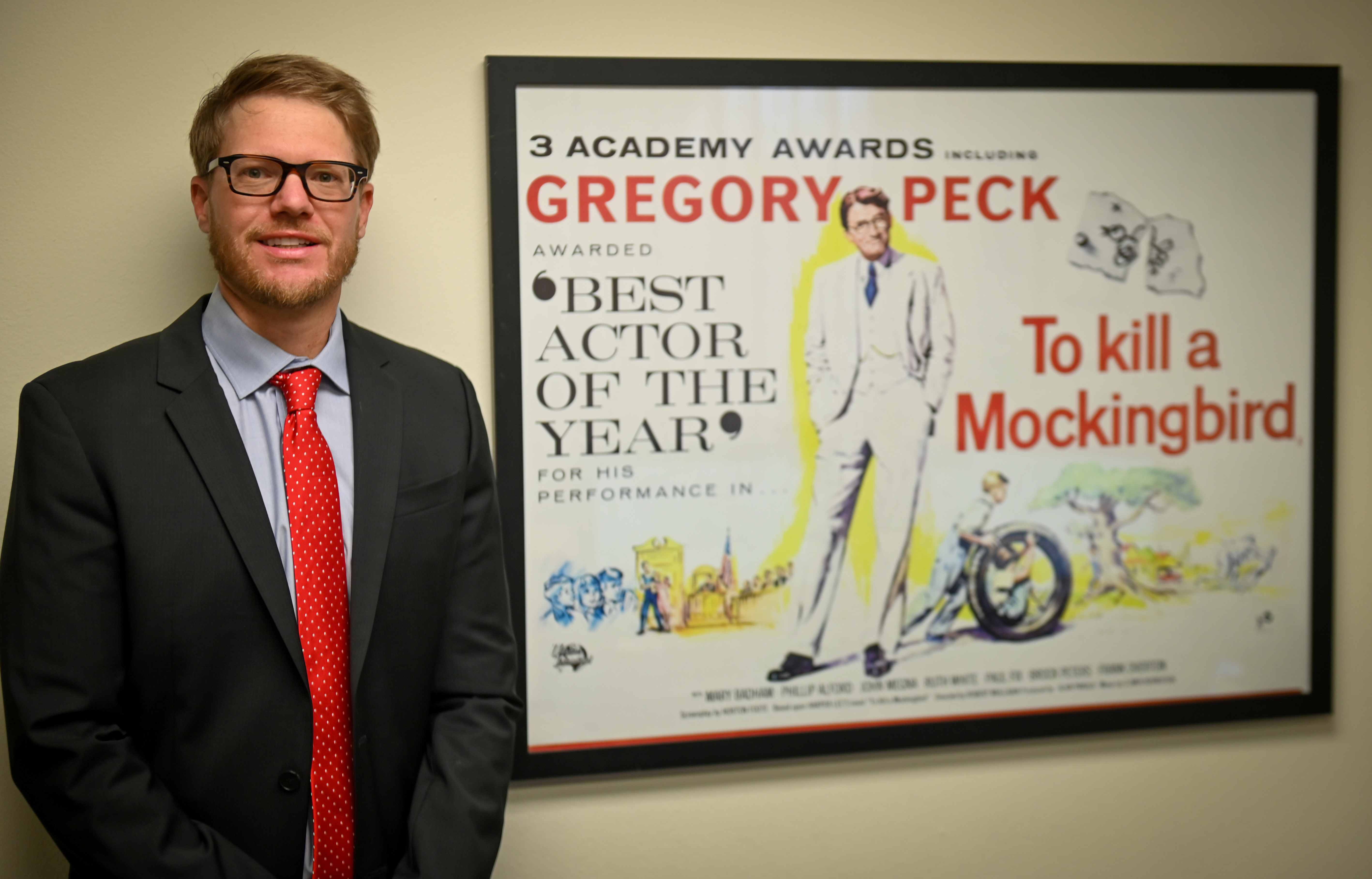
Before there was a lawsuit over who could call themselves "Atticus," there was a small town in northeastern Iowa where one family admired Harper Lee's "To Kill a Mockingbird" enough to name a son after its fictional lawyer.
Atticus Wegman's grandfather was New Hampton's first public defender. His great-grandfather served as Iowa's state treasurer. Lawyers ran through the family tree, and so did admiration for Atticus Finch.
"They all loved the book," Wegman said. "They named me Atticus after Atticus Finch."
Today, the tradition continues. Wegman's son is Atticus Jr. His daughter is Scout.
For more than three decades, the name has defined his identity. It appears on his birth certificate, law license and now the sign outside his Orange County personal injury practice.
Then a cease-and-desist letter arrived.
A Los Angeles company called Atticus Labs Inc. asserted federal trademark rights to the name ATTICUS and demanded Wegman stop using "Atticus Injury Law."
"I was surprised," Wegman said. "My whole life has been on this."
What started as an ordinary trademark dispute has evolved into a case that could test the intersection of trademark law, legal ethics and venture-backed legal technology. Atticus Injury Law, Atticus Wegman v. Atticus Labs, Inc., Atticus Law P.C, Samuel Byker, et al. 8:26-cv-00362-FWS-ADS, (C.D. Cal., filed June 30, 2026).
Before the lawsuit, Atticus founder Sam Byker described his company in a 2023 Stanford Graduate School of Business paper as an effort to solve one of America's biggest access-to-justice problems.
While attending Stanford Law School and Stanford's Graduate School of Business, Byker concluded that millions of Americans eligible for disability and other government benefits never obtained them because navigating the legal system required finding a lawyer.
"If you get hit by a car, or seriously injured at work, or can't support yourself because you have a chronic illness," the paper, now a lawsuit exhibit, quotes Byker as saying, "only in the U.S. do those systems require you to have a lawyer."
His solution was what he described as a marketplace connecting people in crisis with lawyers.
The Stanford case study says Atticus' digital platform screens prospective clients before connecting them with lawyers or paralegals employed by Atticus, who then advise clients and either refer them to outside law firms or direct them to free resources. About half of those seeking help are referred to private attorneys. Atticus earns money only when those lawyers successfully recover benefits for clients, collecting a referral fee equal to roughly 25% of the attorney's fee.
The model proved attractive to investors.
By 2021, according to the Stanford paper, Atticus was helping about 400 clients each month, generating nearly $5 million in annualized revenue, and had raised millions of dollars from venture capital firms including Fika Ventures, True Ventures, Core Innovation Capital and Forerunner Ventures.
But before raising outside capital, Byker recognized another obstacle.
"The first question Byker had to answer was whether raising outside money was legally possible," the Stanford paper states.
"Byker knew his business would have to be licensed as a law firm, and traditionally law firms were barred from raising capital from non-lawyers." The paper says another startup introduced him to a two-entity structure that would allow venture-capital funding while also operating a law firm.
The paper includes a corporate diagram showing Atticus operating through two affiliated entities.
One entity--Atticus Labs Inc.--holds the company's employees, intellectual property and technology. The second--Atticus Law P.C.--is identified as the professional entity through which legal services are offered. Investors fund Atticus Labs rather than the law firm itself.
That organizational chart has become a centerpiece of Wegman's lawsuit. It also looks like a managed services organization, or MSO, which has become increasingly popular among law firms as a legal structure for allowing them to take on non-lawyer investors.
But Wegman's attorneys argue the exhibit amounts to an admission that Atticus Labs, rather than a traditional law practice, owns and controls the ATTICUS trademark while licensing it to an affiliated law firm.
Nathan Camuti, one of Wegman's attorneys, contends that arrangement is incompatible with trademark law's requirement that a trademark owner maintain quality control over services provided under its mark.
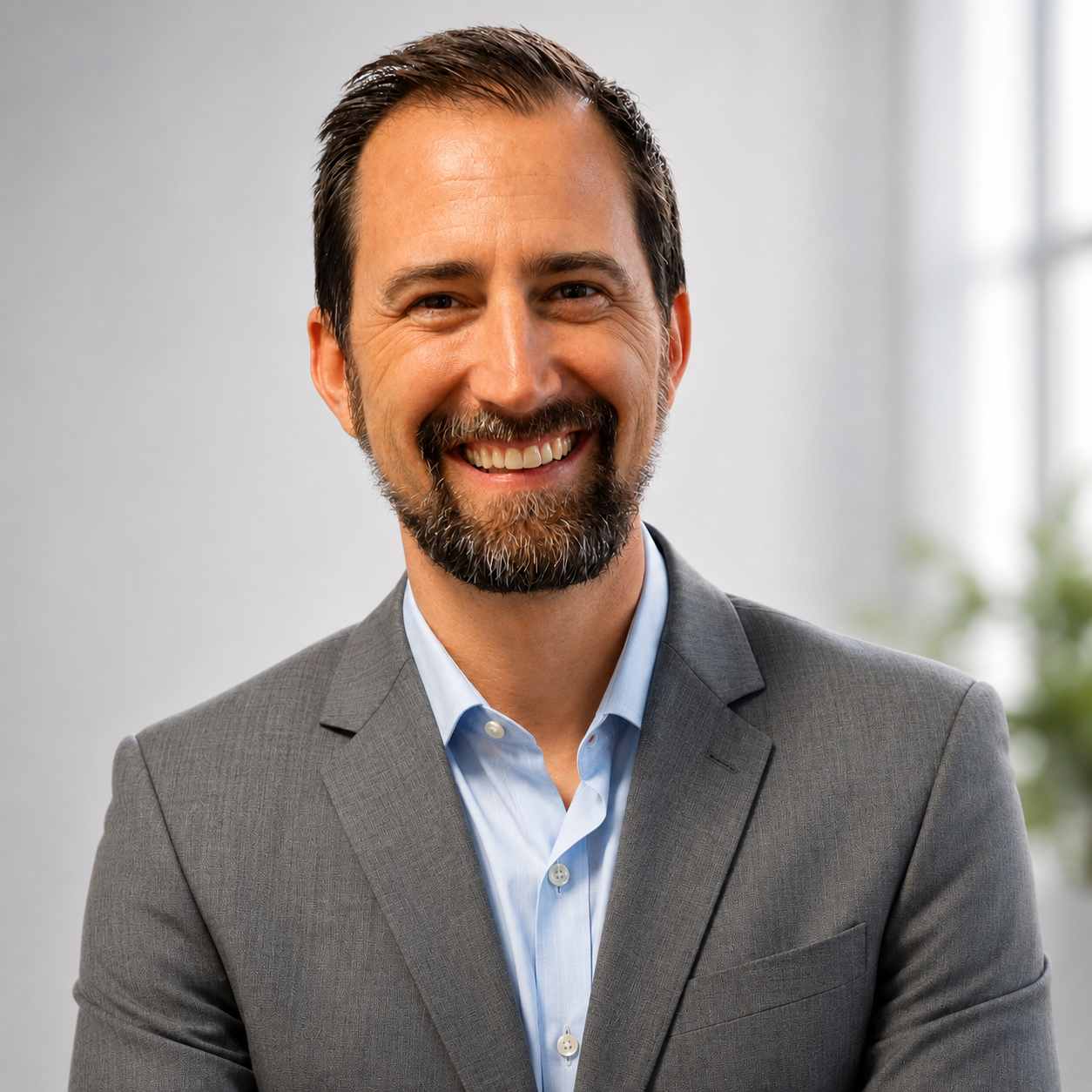
"Our allegations to the invalidity of the trademark are specifically related also to the licensing issue," Camuti, of Camuti Law Group APC in Irvine, said. He argues that a venture-funded corporation that is not itself a law firm cannot legally supervise the professional services of lawyers while respecting attorney independence and privilege.
"A MSO is a separate business entity that owns and runs the 'non-legal' operations of a law firm practice (i.e., marketing, technology, billing, human resources), while the law firm itself remains 100% lawyer-owned and controls all legal work. This situation involves exactly the opposite. A 'non-legal' operator (Atticus Labs) is a separate venture capital backed entity that purports to be licensing out and overseeing legal work to a purported law firm (Atticus Law)," Camuti said.
The lawsuit paints a picture sharply at odds with Atticus' public description of itself.
According to the complaint, Atticus Labs functions primarily as an uncertified lawyer referral service rather than a provider of legal services, despite obtaining a federal trademark registration covering legal services. The plaintiffs seek cancellation of U.S. Trademark Registration No. 5,793,678, alleging fraud on the U.S. Patent and Trademark Office, false advertising, unfair competition and violations of California's lawyer referral statutes.
Attorney Brian Kinder, of The Kinder Law Group in Irvine, also represents Wegman. He said he believes the case extends beyond one company's trademark.
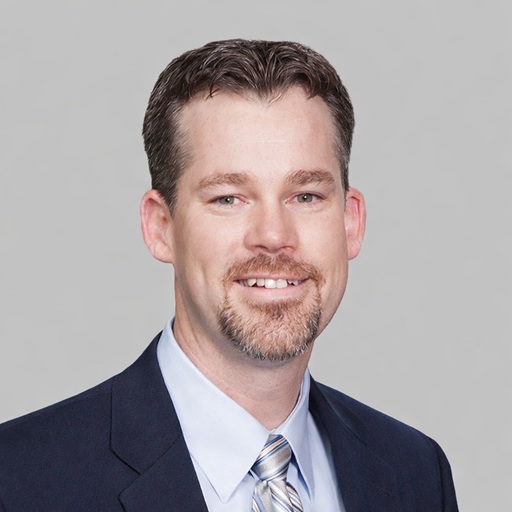
He said his team repeatedly asked Atticus to identify litigation in which Atticus Law itself represented clients rather than referring them elsewhere.
"They have not responded to any of those allegations," Kinder said. "We've asked them, 'Give us one case number that you've actually handled.' They won't do that."
Atticus Labs and affiliated defendants dispute those allegations. Rollin A. Ransom and Sean A. Commons of Sidley Austin LLP represent Atticus Law and Byker. They were unavailable immediately on Wednesday for comment.
Arpit K. Garg, chief legal officer at Atticus, said in a statement: "We applied for and received a trademark for "Atticus" in 2018. Several years later, Mr. Wegman applied for the same mark, and the Trademark Office rejected his application due to our prior mark. Despite that, Mr. Wegman named his law firm "Atticus Injury Law." (He wasn't the only one -- several other firms started after us and infringed on the mark.)
"We did what mark holders are required to do, and acted to protect our mark by reaching out to each firm asking that they stop. Everyone else agreed, but Mr. Wegman did not, and preemptively sued us in a hail-mary effort to throw out our trademark. A federal court quickly dismissed that effort in full without a hearing, and Mr. Wegman is now trying again. All we've asked from the beginning is that Mr. Wegman add his last name to the name of his firm ("Atticus Wegman Injury Law"), but he's refused. We wish we could've resolved this amicably but we're confident of prevailing in court."
But Wegman, who is based in Tustin, believes there is a bigger issue at stake. He argues that if his allegations are correct, the implications extend well beyond his own practice. He said he worries the business model could fundamentally change the economics of legal practice by allowing venture-backed companies to dominate client acquisition while traditional firms become increasingly dependent on referral platforms.
"If this type of model can stand," Wegman said, "the traditional law firm may go out. Everyone will operate as a lawyer referral service, and whoever has the most venture capital money wins."
A hearing on the motions is scheduled for Aug. 20.
David Houston
david_houston@dailyjournal.com
For reprint rights or to order a copy of your photo:
Email
Jeremy_Ellis@dailyjournal.com
for prices.
Direct dial: 213-229-5424
Send a letter to the editor:
Email: letters@dailyjournal.com