


State Bar & Bar Associations,
Legal Education
Jul. 17, 2026
The bar exam fight is over. The real test starts now
California's decision to adopt the NextGen bar exam is only the first step; the greater challenge is designing a California-specific component that prepares new lawyers through meaningful education rather than creating another high-stakes licensing exam.


Susan Smith Bakhshian
Director of Bar Programs
Loyola Law School, Los Angeles
Email: susan.bakhshian@LLS.edu
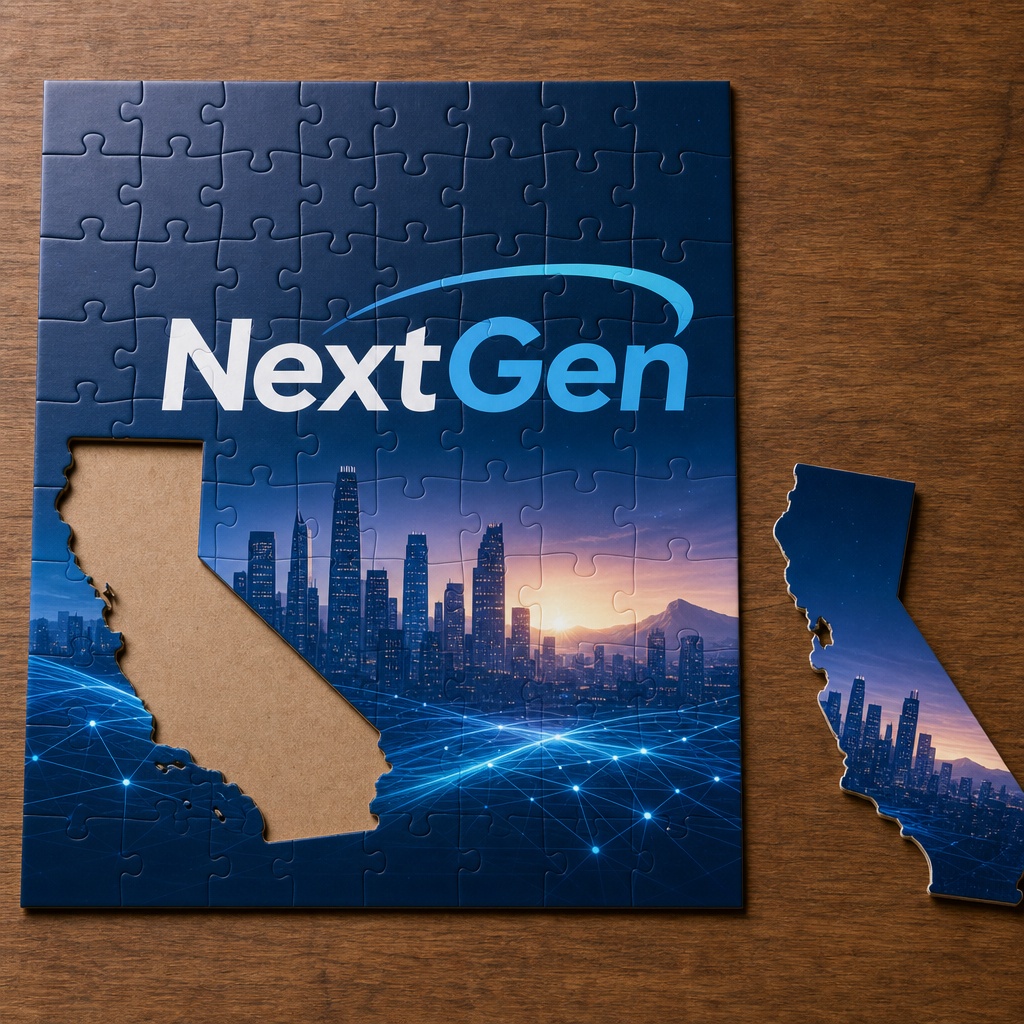
The California Supreme Court has spoken. After more than a year of public comment, dueling vendor proposals, and the failed February 2025 remote exam, the Court has chosen the NextGen Uniform Bar Exam beginning in July 2028, paired with an undefined California component set to take effect in July 2029.
California's bar exam was overdue for reform. The traditional examination relied too much on memorization and too little on the work lawyers actually do. The public is not protected by licensing lawyers who excel at memorizing legal rules under extreme time pressure. The public is protected by licensing lawyers who can analyze facts, solve problems, exercise judgment and competently represent clients.
But while the fight over NextGen may be over, the real work is only beginning. NextGen is not perfect. NextGen is an in-person, all-digital exam with no proven track record at our scale, designed by an organization known for high-cost testing products, and built around uniform national content, not California law. To make this transition work for the people it is supposed to protect: the public who depend on competent lawyers, and the students and applicants whose careers depend on a fair and functioning licensing process, the details matter. And the recent decision is light on details.
While the order provides guidelines on setting a passing score and confirms the traditional test dates, the content, scope, format and design of the California component remain open questions.
Not a reasonable timeline
The Court's order leaves open fundamental questions about the California-specific component that applicants will eventually be required to complete.
That flexibility creates both opportunity and risk.
The opportunity is obvious. California law matters. Lawyers practicing in California should understand California's distinctive legal landscape, including its professional responsibility rules and unique statutory framework. A well-designed California component can ensure that new attorneys receive that preparation.
The risk is equally obvious. California could transform this component into a second bar exam layered on top of NextGen.
That would be a mistake.
Under the Court's order, the Committee of Bar Examiners has until February 2027 to recommend a California component to take effect in July 2029. This is not nearly enough time. The proper design of a California component cannot be done in a few months.
A longer runway is necessary for thoughtful design, meaningful feedback and course corrections after real-world testing of alternatives. Instead, the Court has laid the groundwork for a rushed California component. The February 2025 bar exam debacle involved changes made over a longer time frame than this order provides to create a new California component.
Most importantly, prospective law students deserve certainty before committing years of time and substantial financial resources to their legal education.
Make the California component about education, not examination
A California component that teaches new attorneys the key aspects of California law addresses one of NextGen's real shortcomings: it was not designed with California's legal landscape in mind. A thoughtful California component is how that gap gets closed.
The California component should be more education than examination. The goal should be ensuring exposure to California-specific law, not creating another high-stakes memorization exercise.
If California responds to NextGen by simply adding another exam, it will have missed the central lesson of reform.
An on-demand educational program focused on California's distinctive professional responsibility rules and core areas of state law would provide the necessary foundation for entering into practice.
Whatever California ultimately adopts, universal design principles should guide the process from the beginning. Accessibility should not be something tacked on later with accommodations. It should be built into the design itself.
A licensing system works best when it measures competence rather than a person's ability to navigate unnecessary barriers. That is particularly important for working students, parents and caregivers who cannot put their lives on hold for yet another high-stakes examination.
Bottom line
Throughout this process, I advocated for the Nevada Plan as the better path. Others would have preferred retaining the traditional examination. But those debates are now behind us. Success will not depend on the selected exam. It will depend on how thoughtfully California implements it.
The real test is no longer whether California will adopt NextGen.
The real test is whether California can resist the temptation to turn reform into just another exam.
Submit your own column for publication to Diana Bosetti
For reprint rights or to order a copy of your photo:
Email
Jeremy_Ellis@dailyjournal.com
for prices.
Direct dial: 213-229-5424
Send a letter to the editor:
Email: letters@dailyjournal.com