


Alternative Dispute Resolution
Jul. 17, 2026
Skipping the dance: Moving past the opening ritual in mediation
Effective mediators can overcome the familiar pattern of extreme opening demands and incremental concessions by using strategic interventions before and during mediation to build trust, encourage realistic bargaining and keep negotiations focused on resolution rather than positional posturing.


Jill M. Manning
Mediator, Arbitrator, Special Master, Neutral Evaluator and Discovery Referee
JAMS
Phone: (415) 433-9000
Email: JManning@jamsadr.com
University of San Francisco SOL; San Francisco CA
She handles antitrust and competition, business and commercial, class action and mass torts, cybersecurity and privacy, education, employment, entertainment and sports, health care and securities matters.
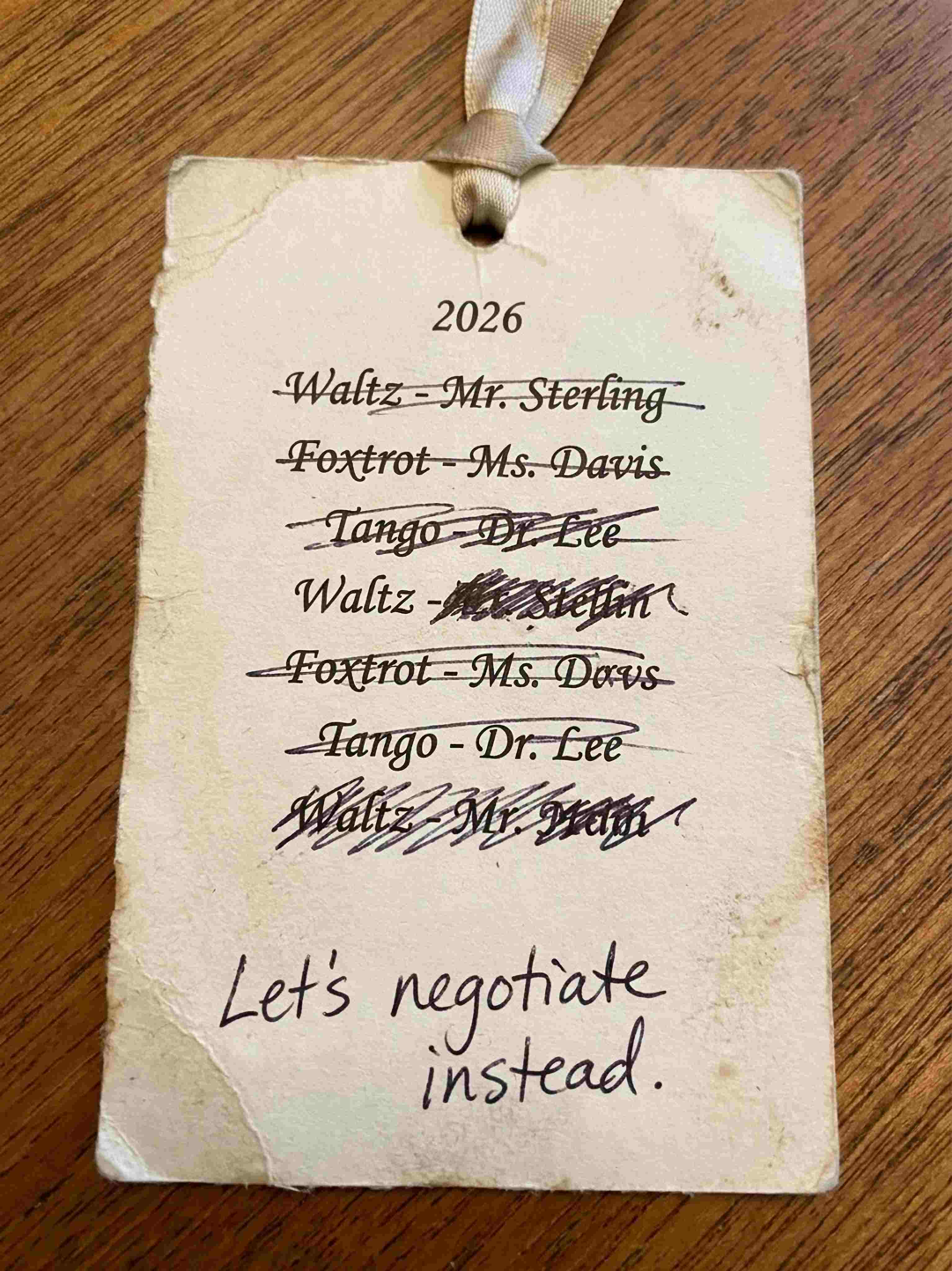
There is a scene that plays out in mediation rooms so often it has become a ritual. The plaintiff opens with a sky-high number that makes the defendant roll their eyes. The defendant counters with an offer so low it borders on insulting. Both sides are irritated before the real work has begun, and the next several hours unfold in a slow, grinding march of incremental moves while the mediator shuttles between rooms carrying numbers that barely move.
Many practitioners have simply accepted this as the natural order of things. They shouldn't. While anchoring is as old as negotiation itself, the extreme-offer-and-baby-steps dynamic is one of the most reliable ways to poison a mediation from the outset. It breeds mistrust, wastes time and drains the goodwill and energy that settlement actually requires. None of this is inevitable. The mediator's job is to create the conditions for a different kind of conversation, one that respects each party's right to make decisions while steering the process away from its most self-defeating habits.
Why this happens
Plaintiffs open high because they fear appearing weak, or because counsel has advised that anchoring high leaves room to move. Defendants open low for the same reasons in reverse. Both sides have learned never to make their first offer their best offer, or even close.
There is also a fairness impulse at work. A party who believes they have been wronged wants the other side to feel the weight of that wrong before any compromise. A sky-high demand is sometimes less about money than about a message; an insultingly low offer signals that the defendant does not take the opening demand seriously, which only hardens the plaintiff's resolve.
The baby steps problem compounds all of this. When both sides open at extremes, the gap is enormous and neither wants to be the party that "blinked." So, moves are tiny and progress is slow, as if each concession could only ever halve the distance to the other side, like Zeno's runner forever approaching a finish he never reaches. Underlying it is a structural problem: Parties almost never share their true bottom line, or even their realistic range, with the mediator. Doing so feels like surrendering leverage to someone whose neutrality they trust in theory but are still testing in practice. The mediator is left working with positions, not parameters, and the dance begins with everyone holding their cards close.
Setting the table during pre-session calls
The most powerful intervention happens before anyone walks into the mediation. Separate pre-session calls with counsel represent an opportunity to reshape the negotiation before it begins. A mediator can gently ask about the intended opening, not to dictate it, but to start a conversation about strategy.
A mediator might say: "I want to use your client's time well today. When opening positions are very far apart, we sometimes spend half the day barely making a dent in the gap. Is there anything you can share about where you think things might ultimately resolve?" The question respects the attorney's judgment while planting a seed about the costs of positional extremism.
These calls also let each side sense the room they are walking into. A mediator who can convey, without breaking any confidence, that the other side is serious and that people with real authority will be present makes it harder to justify an opening untethered from reality. The goal is not to extract anyone's true range, but to begin building the trust that might eventually surface it, and to signal that the mediator is a safe recipient of candor.
Reframing the opening moves
Once in session, a mediator who senses extreme offers coming has tools at hand. One is a brief joint session, not to negotiate, but to establish what the day is for. A mediator can explain that the session will go best if the parties think like negotiators rather than litigators and give some thought to where a realistic resolution might lie, rather than treating the opening as a performance. This honors party autonomy. It tells no one what to offer; it simply reframes the opening as a choice with costs.
In caucus, a mediator can go further. After an extreme opening, rather than just carrying it across the hall, the mediator can ask: "Help me understand the thinking behind this number. What does it include? Is there flexibility in the structure, even if not in the number?" These are not challenges, but invitations to elaborate, which almost always surface more nuance than the number alone conveys.
Structural tools: brackets, move limits and range exchanges
Reframing works on mindset, but a mediator also has tools that change the architecture of the negotiation. First, the mediator's bracket is a conditional, paired offer that resets the negotiation around a realistic zone: "If the defense comes up to $400,000, the plaintiff will come down to $700,000, and we negotiate within the range." Its power is that each side signals movement without unilaterally collapsing its position; neither has blinked, because the moves are contingent on each other. A mediator can float the bracket as their own suggestion, sparing both parties the sense that they tipped their hand, and it shifts the question from "What is your next number?" to "What range are we actually negotiating within?"
Second, the move limit attacks the baby steps problem directly. Early on, a mediator can propose that each side commit to no more than three moves all day. The logic is simple: If you have only three moves, you cannot waste them on token gestures. It gives the mediator quiet leverage in caucus: "You have three moves today. This is one of them. Is this how you want to spend it?" The constraint dictates no one's numbers; it simply makes a meaningless move costly, which tends to produce larger, more realistic increments. In this sense, the limit does for a party what the mast did for Ulysses: It binds them to their better judgment before the sirens begin to sing.
Third, a quieter tool asks even less publicly: the confidential range exchange. The mediator privately asks each party for the range in which they believe the case should resolve, discloses neither and reports back only whether they overlap. If they do, the parties can move quickly to where agreement actually lives, skipping the opening performance entirely. If they don't, the mediator has learned the real obstacle is a gap in expectations, not numbers. The exercise asks each side to define its position before reacting to the other's, avoiding the reactive bargaining that fuels the dance.
Moving things along without pushing
When the session bogs down, the instinct is to push both sides toward the middle. The mediator should resist it. Pushing makes parties dig in, especially if they feel herded toward a number they did not reach themselves.
It's better to shift from positions to interests. "What would a resolution need to look like for your client to feel this chapter is behind them?" or "Aside from the money, what else is important to your client in reaching a resolution?" can open space that pure positional bargaining forecloses. Sometimes a structured payment, a confidentiality provision, an apology or a simple acknowledgment moves a party more than dollars. A party who will not state a bottom line will often reveal, without quite realizing it, everything the mediator needs to know.
It also helps to name the dynamic without judgment: "The moves have gotten very small on both sides. Sometimes that means we're close and protecting the last dollars, and sometimes it means we're stuck. Which is true for your client?" This invites candor without pressure.
A persistent problem worth solving
An extreme demand is sometimes not a number at all, but a message, an insistence that a wrong be recognized before any compromise. When that is so, no positional maneuvering will move the figure, because the figure was never the point. A mediator who senses this can create space early for the aggrieved party to be heard by the mediator and, where possible, by the other side directly. The experience of having one's account taken seriously can deflate the message-sending function of the sky-high number and free the negotiation to be about money rather than vindication. This points back to what mediation can do that no formula ever will: let two parties in conflict feel that something about their dispute has actually been heard and understood.
This playbook has not changed much in decades; practitioners have written about anchoring since Fisher and Ury published "Getting to Yes" in 1981. That might seem discouraging. It isn't. The fact that the problem persists despite being so well understood is itself the argument for writing about it. It is not a solved problem. It is a human problem, which means it will keep showing up as long as people are in conflict.
The mediator's commitment is to a fair process, not a particular outcome. Parties may open wherever they choose and settle or walk away. But respecting autonomy does not mean standing by passively while a predictable and preventable pattern derails a mediation both sides genuinely wanted to settle. Skilled mediators hold that tension, guiding without directing, challenging without confronting, keeping the door to settlement open even when every sign says it is closing. The dance is old and familiar, but it is not inevitable. With the right preparation, the right questions and the courage to say out loud what both sides already know, mediators can transform it into something better: a genuine negotiation in which both sides stop performing and start solving the problem. The dance continues only as long as both sides keep stepping. The mediator's quiet art is knowing when to change the music.
Disclaimer: This content is intended for general informational purposes only and should not be construed as legal advice. If you require legal or professional advice, please contact an attorney.
Submit your own column for publication to Diana Bosetti
For reprint rights or to order a copy of your photo:
Email
Jeremy_Ellis@dailyjournal.com
for prices.
Direct dial: 213-229-5424
Send a letter to the editor:
Email: letters@dailyjournal.com