


Criminal
Jul. 16, 2026
Attorney general urges appeals court to uphold Ferguson murder conviction
Attorney General Rob Bonta's office argued disgraced Orange County Judge Jeffrey M. Ferguson's claims of judicial bias, ineffective assistance of counsel and trial court error are either meritless or forfeited.


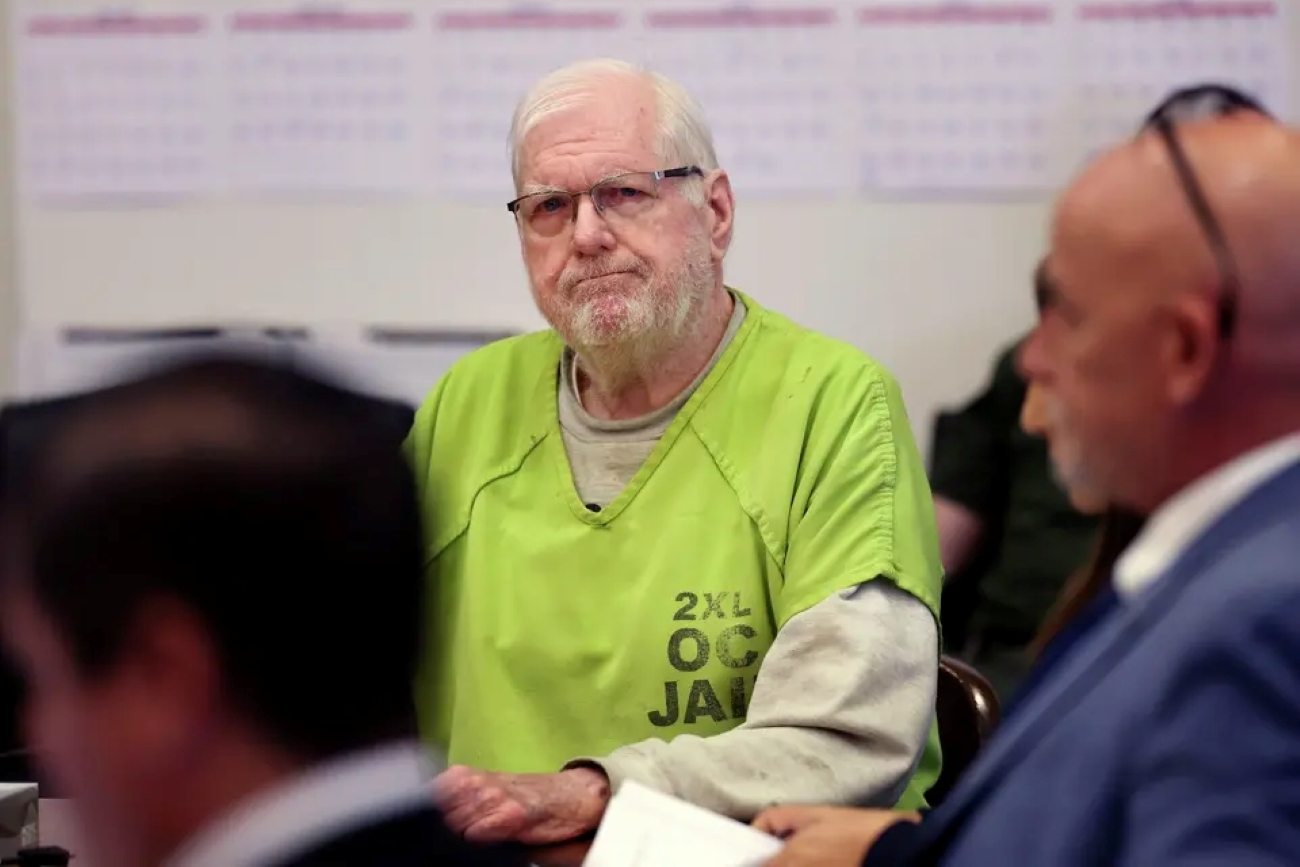
California Attorney General Rob Bonta's office urged the 4th District Court of Appeal to reject disgraced Orange County Superior Court Judge Jeffrey M. Ferguson's bid to overturn his murder conviction, arguing in a newly filed response that his claims of judicial bias, ineffective assistance of counsel and trial court error are either meritless or forfeited.
The July 2 filing asks the appellate court to affirm Ferguson's conviction and sentence for the 2023 fatal shooting of his wife, Sheryl, contending the trial court acted within its discretion throughout the proceedings and that Ferguson failed to demonstrate reversible error. People v. Ferguson, G065998 (Cal. Ct. App., 4th Dist., Div. 3, filed Jan. 30, 2026)
Ferguson spent more than three decades as an Orange County deputy district attorney before he was convicted last year of second-degree murder in the alcohol-fueled shooting death of his wife, Sheryl, at the couple's Anaheim Hills home. Jurors also found that he personally used a firearm and caused great bodily injury in the process. Los Angeles County Superior Court Judge Eleanor J. Hunter handed down a sentence of 35 years to life.
Ferguson's first trial ended in a mistrial after jurors deadlocked 11-1 in favor of conviction.
On appeal, Ferguson argues the trial court improperly denied a continuance before his retrial, resulting in ineffective assistance of counsel. He also contends the court wrongly refused to file his unredacted new trial motion under seal and that the judge's conduct throughout the proceedings demonstrated actual bias amounting to structural error.
Deputy Attorney General Evan Stele, writing on behalf of Attorney General Rob Bonta, responded that "each of appellant's claims are meritless and many are also forfeited."
According to the brief, lead defense counsel Cameron J. Talley requested a continuance on the day the retrial was set to begin, citing a conflicting felony trial, the lack of a second-chair attorney, the need to retain additional medical and firearms experts, and a family medical issue.
The state argues none of those circumstances established good cause under Penal Code Section 1050(e). The brief notes Talley acknowledged he was not actually engaged in another trial and quotes him telling the court, "I absolutely need a second chair to accommodate me." The trial court was unpersuaded, finding a second chair was "more of a luxury."
The state also argues Ferguson cannot establish ineffective assistance under Strickland v. Washington because the medical and firearms experts ultimately testified despite the denied continuance, and counsel had "valid tactical reasons" for not calling a psychological expert. Strickland v. Washington, 466 U.S. 668 (1984)
On the sealing issue, the brief argues Ferguson cannot show prejudice from the court's refusal to file his unredacted new trial motion under seal and that any claim of future strategic harm is speculative.
The state further contends Ferguson forfeited his judicial bias claims by failing to object or seek recusal during trial. It argues the challenged incidents, including the court's handling of Ferguson's emotional testimony and comments about his courtroom demeanor, do not demonstrate actual bias. According to the brief, "all, but one" of the challenged statements occurred outside the jury's presence.
Ferguson's appellate attorney, Frances Prizzia, argued that if the trial judge had granted the requested continuance, Ferguson would have had the opportunity to present a full defense supported by expert testimony prepared to bolster his account that the shooting was accidental. She contended the ruling deprived him of his constitutional protections and resulted in a fundamentally unfair trial.
The state argues that even if error occurred, it should be reviewed under People v. Watson rather than Chapman v. California because Ferguson has not shown constitutional judicial bias. The brief also notes the trial court imposed the middle term of 20 years on the firearm enhancement instead of the 25-years-to-life sentence sought by prosecutors.
"This Court should reject each of appellant's meritless and forfeited claims and affirm the judgment," the brief concludes.
Douglas Saunders Sr.
douglas_saunders@dailyjournal.com
For reprint rights or to order a copy of your photo:
Email
Jeremy_Ellis@dailyjournal.com
for prices.
Direct dial: 213-229-5424
Send a letter to the editor:
Email: letters@dailyjournal.com