


Government
Jul. 1, 2026
AI ethics bill for courts moves ahead in Assembly committee
SB 574 would require attorneys to verify citations, protect confidential information, and disclose some AI use in court work


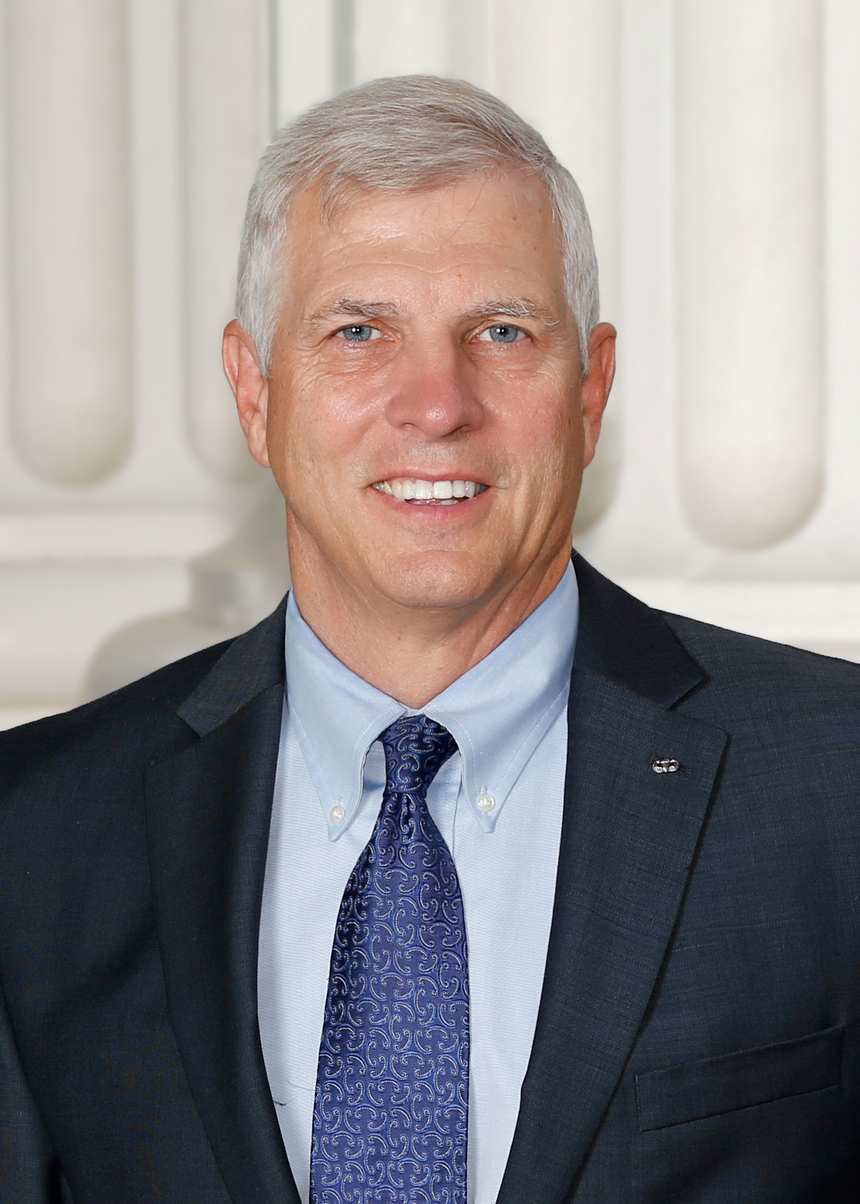
The Assembly Judiciary Committee unanimously approved legislation Tuesday imposing new safeguards on the use of artificial intelligence by attorneys, judges and arbitrators before honoring Sen. Tom Umberg as he nears the end of his final legislative term.
The amended version of SB 574 would also apply to judges and expand rules for arbitrators. It passed 7-0 and moved on to the Assembly Privacy Committee.
"AI is permeating everything we do on a day-to-day basis," Umberg, D-Santa Ana, told the committee. "So, what we want to do is we want to become transparent as to how AI is implemented in the courts."
SB 574 is a response to a constant stream of news about attorneys being sanctioned for turning in AI-generated briefs containing made-up case citations. It would add a requirement to the California Rules of Court that any brief or other paper filed in court could not contain any citation that the submitting attorney has not personally read and verified, including citations supplied by generative AI. The bill also includes privacy protections, barring attorneys from entering confidential or other nonpublic information into a public AI system.
Umberg said he is not against attorneys using AI.
"It's a helpful tool, but it's not infallible," he said. "Because of that, we need to have a human who is responsible for whatever product is produced. This bill does that."
He added that the bill also will require that a human "make ultimate decisions with respect to arbitration." Amendments added last week would clarify the State Bar's role in investigating complaints about arbitration providers, including if they disclose confidential or privileged information by running it through a public AI engine.
Under SB 940, a law Umberg wrote in 2024, the State Bar created a voluntary certification program for alternative dispute resolution providers. State Bar Executive Director Laura Enderton-Speed told the committee that the bar had no official position at this point on SB 574, but that it had implications for its regulation of neutrals. She added that the bar has requested amendments to allow it to address ethical complaints involving AI use.
"The amendment proposed that the State Bar would establish a limited exception to mediation confidentiality to allow members of the public to report ethical violations," Enderton-Speed said.
Amendments added last week would require judicial officers in civil and criminal cases to disclose whether they, or anyone involved in researching or drafting an order or other legal document, relied on generative AI. The Judicial Council adopted similar rules for judicial officers last year.
After Umberg presented SB 574, Committee Chair Ash Kalra, D-San Jose, noted a milestone: Umberg, the longtime chair of the Senate Judiciary Committee, terms out of office later this year.
"I think unless something else happens, or we get some random bills, this is your last bill before us," Kalra said. "So, I just want to thank you so much for your partnership as chair of the Judiciary Committee, and more importantly, for your many, many years of dedicated work to the people of the state of California."
"Well, thank you, Mr. Chair," Umberg replied. "I know you're trying to make me cry. My original office 36 years ago was right across the hall. I sat where you sit right now for many, many years."
Malcolm Maclachlan
malcolm_maclachlan@dailyjournal.com
For reprint rights or to order a copy of your photo:
Email
Jeremy_Ellis@dailyjournal.com
for prices.
Direct dial: 213-229-5424
Send a letter to the editor:
Email: letters@dailyjournal.com