


Ethics/Professional Responsibility
Jun. 10, 2026
Kiesel presses bid to remove judge in State Bar discipline case
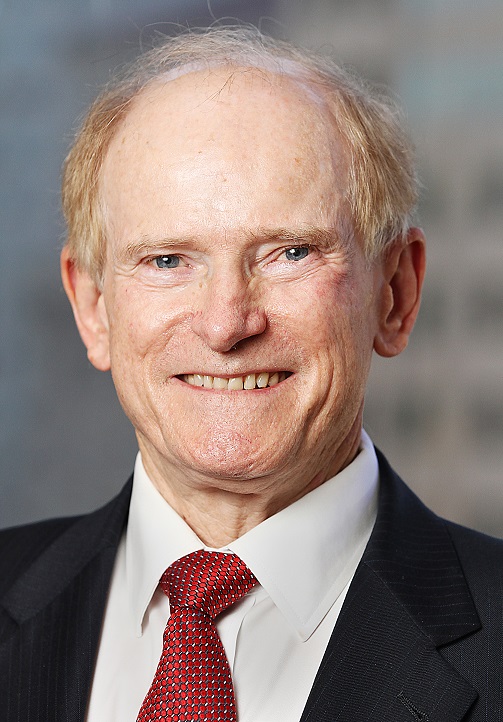
Attorney Paul Kiesel's latest filing argues that Judge Yvette Roland has already made detailed findings portraying him as a central participant in alleged misconduct, creating an appearance of partiality.


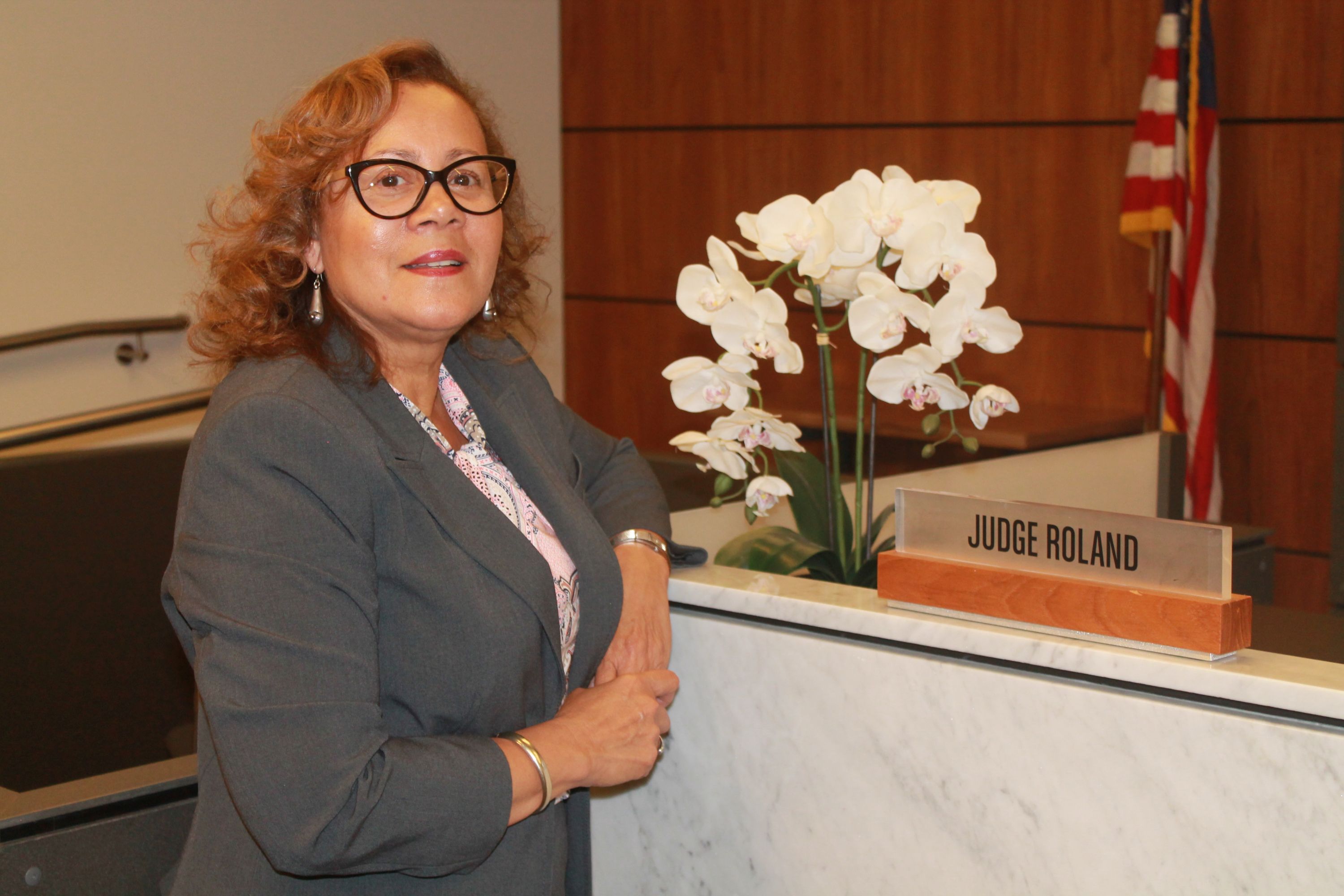
The disciplinary case against Los Angeles attorney Paul Kiesel has increasingly centered on whether the State Bar judge assigned to hear the matter can fairly preside after making extensive findings about his conduct in earlier, related proceedings.
The latest development came May 27, when Kiesel's attorneys filed a reply brief with the State Bar Court Review Department urging reversal of an order that denied their effort to disqualify Hearing Judge Yvette D. Roland from presiding over the case.
The case is In the Matter of Paul Robert Kiesel, State Bar Court Case No. SBC-26-O-30207 (OCTC Case No. 23-O-13514).

Representing Kiesel are Ray Boucher, Maria Weitz and Michael Gorelik of Boucher LLP, along with Mark Tuft and Jack Altura of Womble Bond Dickinson (US) LLP. The Office of Chief Trial Counsel (OCTC) has been represented by Peter A. Klivans, Eli D. Morgenstern and other attorneys.
The underlying disciplinary case stems from litigation arising out of the troubled Los Angeles Department of Water and Power (LADWP) billing system. The Notice of Disciplinary Charges filed Feb. 25 alleges Kiesel participated in a scheme involving the filing and settlement of Jones v. City of Los Angeles, concealed material facts from courts and a mediator and later made misleading statements in related litigation involving PricewaterhouseCoopers LLP.
Kiesel denies wrongdoing and moved to disqualify Roland on March 12.
The motion argued Roland had already reached conclusions about his conduct while presiding over two related cases, In the Matter of Michael Jacob Libman, SBC-24-O-30064, and In the Matter of James Patrick Clark, SBC-24-O-30722. Those cases arose from the same underlying water bill litigation and resulted in lengthy written decisions by Roland discussing Kiesel's alleged role in the events at issue.

Roland declined to recuse herself in a verified answer filed March 20. She wrote, "Respondent does not contend that the undersigned judge has any bias or personal animus against Respondent" and maintained that she could fairly decide the matter. She further stated, "This court notes that it did not find, in either trial, that Mr. Kiesel's testimony lacked credibility." (In both cases, Kiesel was called as a witness by the State Bar trial counsel.)
State Bar Court Judge Manjari Chawla subsequently denied the disqualification motion, finding that prior involvement in related proceedings did not create a reasonable appearance of bias and concluding that Roland had not made adverse credibility findings against Kiesel.
Kiesel petitioned for interlocutory review and Roland granted his motion for a stay of proceedings on April 13. Presiding Judge Richard A. Honn requested briefing from both sides. After the bar's response, he allowed Kiesel's lawyers to file a reply and submit an appendix exceeding the normal 150-page limit.
Kiesel's attorneys argued that Chawla applied the wrong legal standard and failed to account for the extent to which Roland had already made findings about his conduct. They contended Roland's earlier decisions included factual determinations that overlap substantially with issues she would be required to decide in the disciplinary proceeding against him.
Bar trial counsel Klivans argued that Chawla correctly denied the motion and that Kiesel had failed to demonstrate either legal error or abuse of discretion.
Klivans argued that Roland's findings in the Libman and Clark matters concerned the parties in those cases, not Kiesel, and emphasized that he would have a full opportunity to defend himself in his own disciplinary proceeding. The bar also argued that the only explicit credibility finding Roland made regarding Kiesel was favorable, in that she found he had testified truthfully in the cases that resulted in a disbarment recommendation for Libman and a two-year suspension recommendation for Clark.
"Judge Roland's decisions in the Libman and Clark matters were opinions with respect to the parties in those matters, not with respect to respondent," the bar counsel stated.
The May 27 reply brief, signed by Tuft, marks Kiesel's most detailed response to date.
A central theme of the filing is the argument that the bar counsel has the significance of one fact exactly backward: that Kiesel was not a party, only a witness, in either the Libman or Clark proceedings.
"The fact that Mr. Kiesel was not a party to the prior proceedings makes the case for disqualification stronger, not weaker, because it deprived him of the procedural protections that ordinarily justify asking a judge to set aside prior impressions," the filing states.
The brief argues that a witness lacks the ability to cross-examine witnesses, control the presentation of evidence, present a defense or otherwise influence findings that later become part of a written decision.
The filing repeatedly argues that Roland did not merely hear testimony involving Kiesel but made substantive findings concerning his alleged role in the underlying conduct.
Tuft wrote that Roland's own opinions described him as a "central actor" and "not [a] neutral actor" in the alleged scheme. The defense counsel further contended that Roland concluded Kiesel had "conflicting loyalties to the City" and portrayed him as a willing participant in what the brief characterizes as a scheme involving moral turpitude.
Those findings, the brief argues, go directly to the issues Roland would be required to decide in the disciplinary proceeding against Kiesel.
The reply also argues Roland has a personal institutional interest in reaching conclusions consistent with those earlier rulings.
"To rule in Mr. Kiesel's favor on any material issue would require Judge Roland to repudiate the factual foundations of her own prior decisions in Libman and Clark," the brief states.
Another major point concerns what Kiesel's attorneys characterize as Chawla's reliance on Roland's own assurances of impartiality.
"The entire point of the objective standard is that a judge is not a reliable judge of her own impartiality," the reply brief argues. It contends that Chawla improperly treated Roland's statements as effectively dispositive when assessing whether a reasonable observer would question her impartiality.
The filing also renews constitutional due process arguments that Kiesel's attorneys contend bar counsel failed to address in its May 4 response.
Significantly, the brief argues that the bar counsel "does not dispute that Judge Roland made adverse factual findings that go to the heart of Mr. Kiesel's defense." It further argues that OCTC "does not seriously contest that Judge Roland made sweeping adverse findings about Mr. Kiesel's character."
The filing concludes by stressing that Kiesel is not alleging actual bias.
"Mr. Kiesel emphasizes that the disqualification motion and this appeal were not brought lightly and he does not contend that Judge Roland harbors any personal animus or bias against him," the brief states. Instead, the attorneys argue that "the question under Section 170.1(a)(6)(A)(iii) is not whether Judge Roland intends to be fair--it is whether a reasonable person, aware of the facts, would entertain a doubt."
Until the Review Department rules on the interlocutory appeal, Roland's stay order remains in effect and the underlying disciplinary proceeding remains on hold.
As a result, the next significant decision in the case may not address the State Bar's allegations concerning the LADWP litigation at all, but instead determine whether Roland will continue to preside over the matter when the disciplinary case eventually resumes.
The State Bar said Tuesday it had no further comment aside from the filings. Kiesel did not respond to a telephone request for further comment by press deadline.
Laurinda Keys
laurinda_keys@dailyjournal.com
For reprint rights or to order a copy of your photo:
Email
Jeremy_Ellis@dailyjournal.com
for prices.
Direct dial: 213-229-5424
Send a letter to the editor:
Email: letters@dailyjournal.com