


Criminal
Jun. 2, 2026
Justices clarify and narrow path for Racial Justice Act claims
Four rulings clarify how courts should handle racial bias challenges, while drawing sharp dissents over harmless error and coded language.


Courts across California have been asking for years for guidance on how to implement the Racial Justice Act. On Monday, they got it -- a lot of it.
The California Supreme Court issued four opinions relating to cases going back over three decades. Taken together, the rulings both clarify and narrow the law that has forced courts to reevaluate thousands of past convictions.
Passed in 2020, the act bars convictions or sentencing based on race, ethnicity or national origin. A 2021 follow-up made the law retroactive. In the years since, courts have struggled with how to interpret and implement the law as it applies to the vastly different circumstances of many crimes and cases.
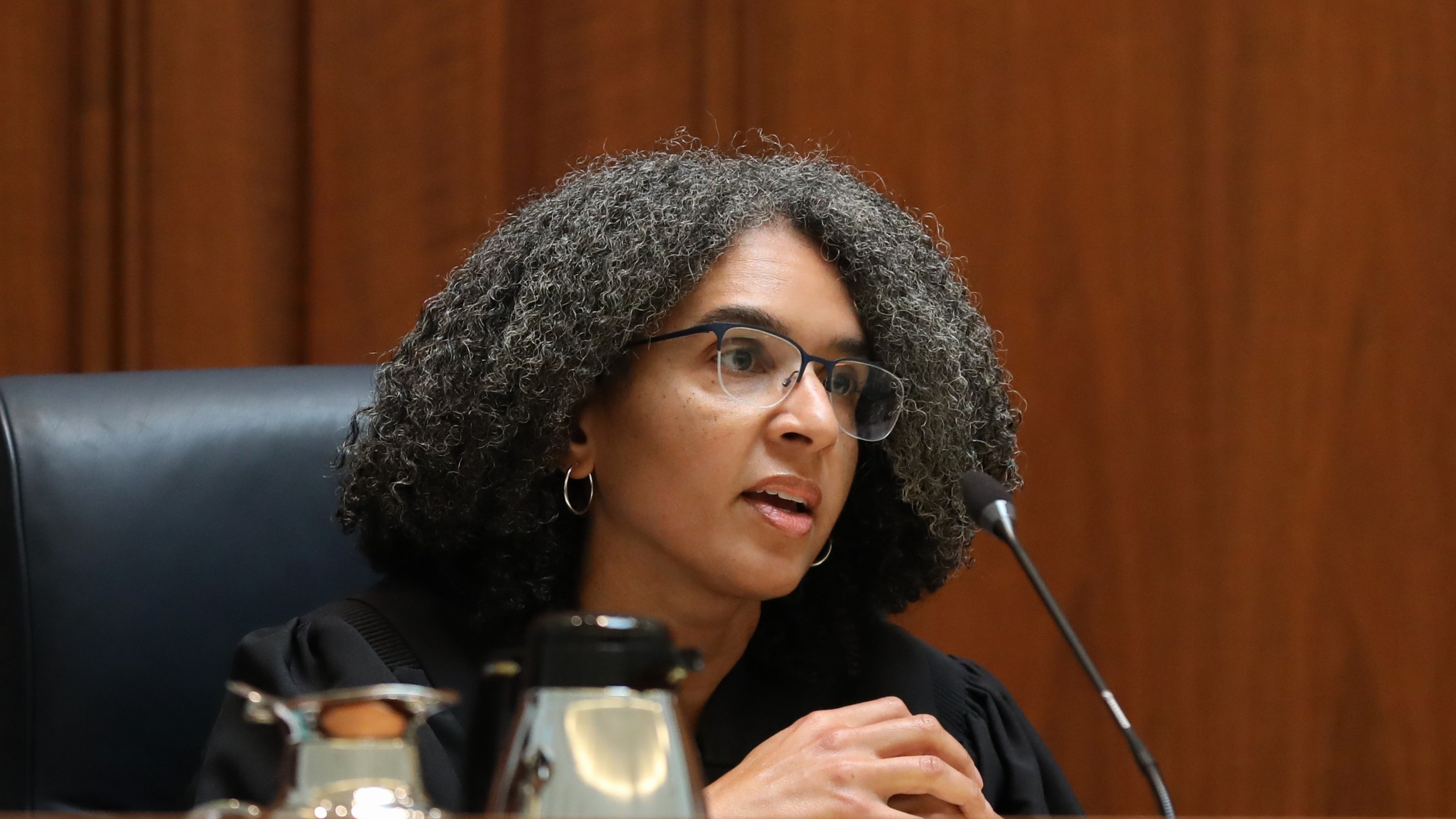
Perhaps most significant was the clarification from Justice Leondra R. Kruger that even when an appellate court identifies violations of the law, it should not automatically overturn a conviction. People v. Bankston, S044739 (Cal. Sup. Ct., filed July 22, 2011).
"We conclude that, at least with respect to cases tried to judgment before the RJA took effect, the use of language that implicitly appeals to racial bias is not grounds for reversal if People can show that the use of such language was harmless beyond a reasonable doubt," Kruger wrote. "This conclusion avoids the serious constitutional questions that would arise were we instead to adopt the automatic reversal rule that Bankston urges."
"The court's rejection of automatic reversal, at least for past cases, is very important," said Kent Scheidegger, legal director of the Criminal Justice Legal Foundation, in an email. "Although the court does say outright that automatic reversal for new cases would be unconstitutional, it comes close. The history of the constitutional provision is quite clear. Automatic reversal without regard to harmlessness is exactly what the provision was enacted to forbid."
"I don't know how much the decisions clarify the Racial Justice Act for lower courts as these decisions seem to reflect the court's fundamental reluctance to apply the RJA retroactively to capital cases tried many years ago - even though the Legislature was clear that they intended the law to apply to pending death penalty appeals," Chief Deputy State Public Defender Christina A. Spaulding said in an email.
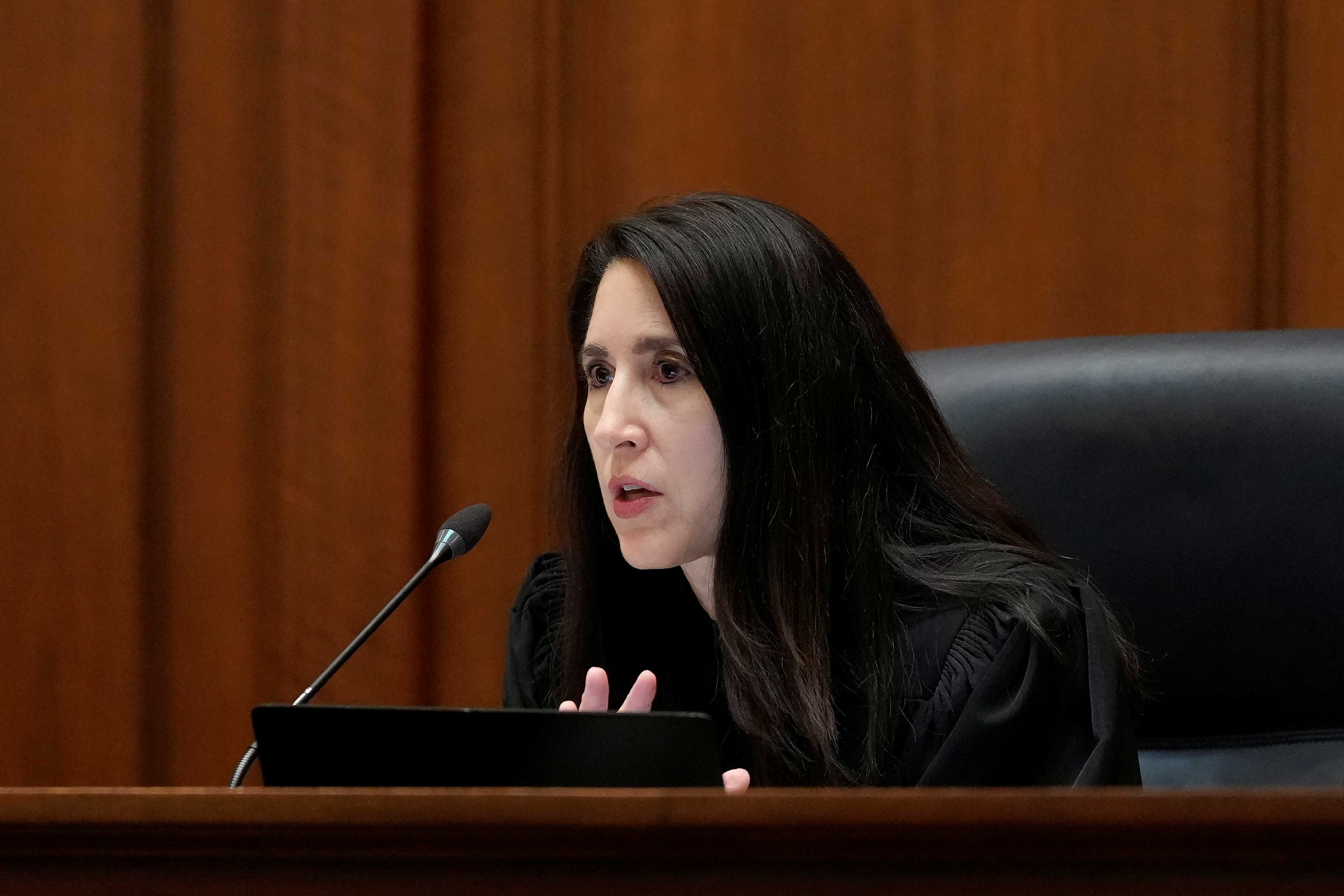
In a separate ruling, Kruger found that the lower court made several errors in the case of Marcos Barrera, who was convicted of murdering two children. But she also found that Barrera's "asserted California Racial Justice Act of 2020 (RJA) claims are harmless beyond a reasonable doubt" and that correcting them would not have changed anything given the "horrific circumstances" of his crimes. People v. Barrera, S103358 (Cal. Sup. Ct., filed Nov. 7, 2012).
In what may signal an emerging realignment around criminal justice issues, the seven justices landed in nearly the same configuration in all four cases. Kruger was joined in both her rulings by Chief Justice Patricia Guerrero and Justices Carol A. Corrigan, Joshua P. Groban, and Martin J. Jenkins.
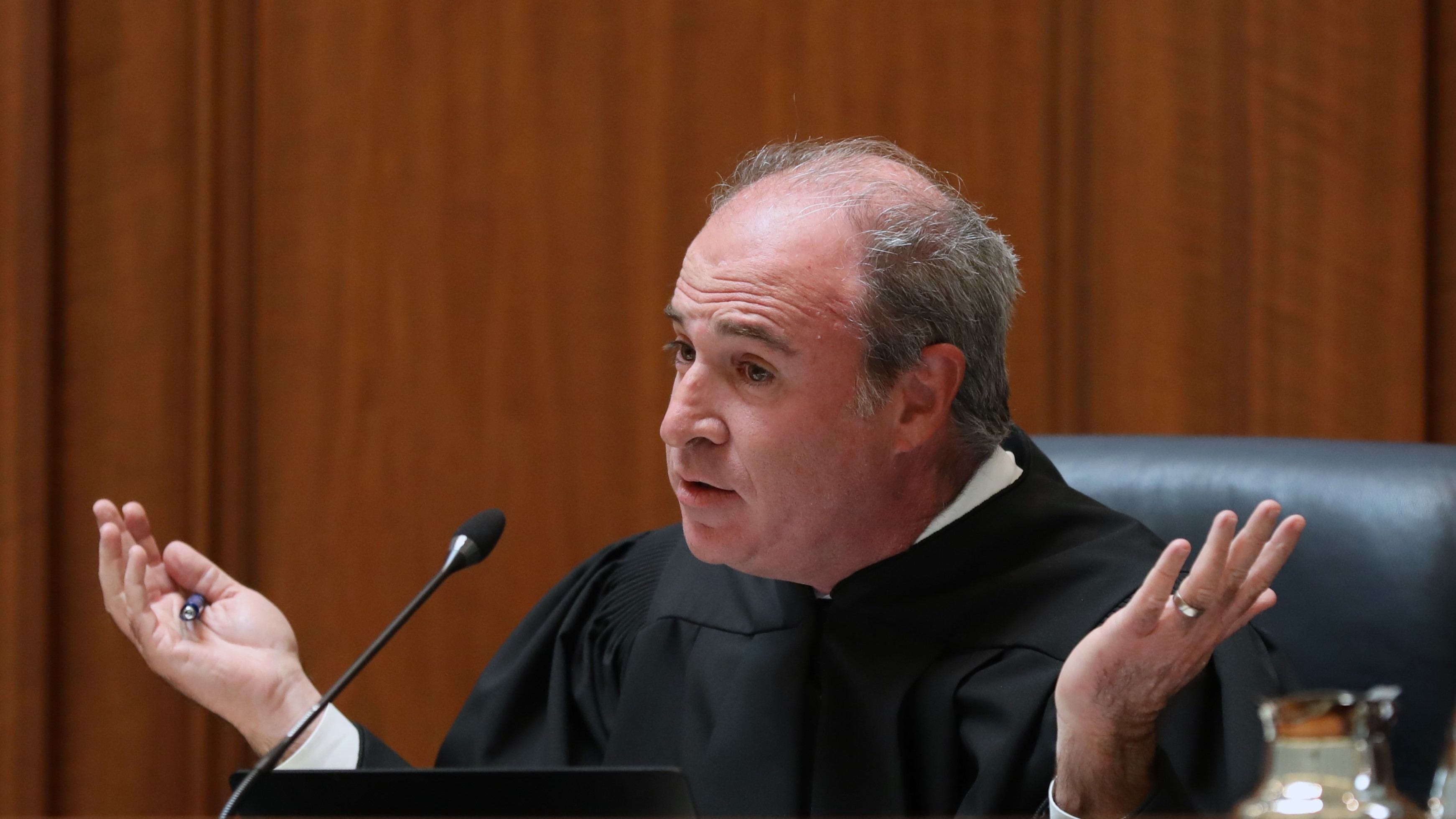
The same five joined in Guerrero's ruling finding that the act does not categorically forbid the use of "animal imagery." While acknowledging the long history of prosecutors comparing racial minorities to animals to inflame jurors against them, Guerrero found that prosecutors did not cross that line when they compared a Black defendant to a "wolf in sheep's clothing." She wrote that the term is "common" and "neutral" when used in the context of an alleged predator, such as a defendant convicted of rape and murder. People v. Demolle, S159120 (Cal. Sup. Ct., filed Feb. 24, 2016).
"The clarification that not all animal references are automatically racist is helpful," Scheidegger said. "Most of the holdings on particular claims of supposedly racist language show a sensible approach."
But Guerrero's opinion drew a sharp concurring and dissenting opinion from Justice Kelli M. Evans, who has carved out a niche as probably the most progressive justice on criminal issues. She wrote that the prosecutor's "wolf/predator" metaphor dehumanized a Black defendant and appealed to racial bias under California's Racial Justice Act. Evans said such bias cannot be treated as harmless, especially in a death penalty case, and the death sentence should be reversed.
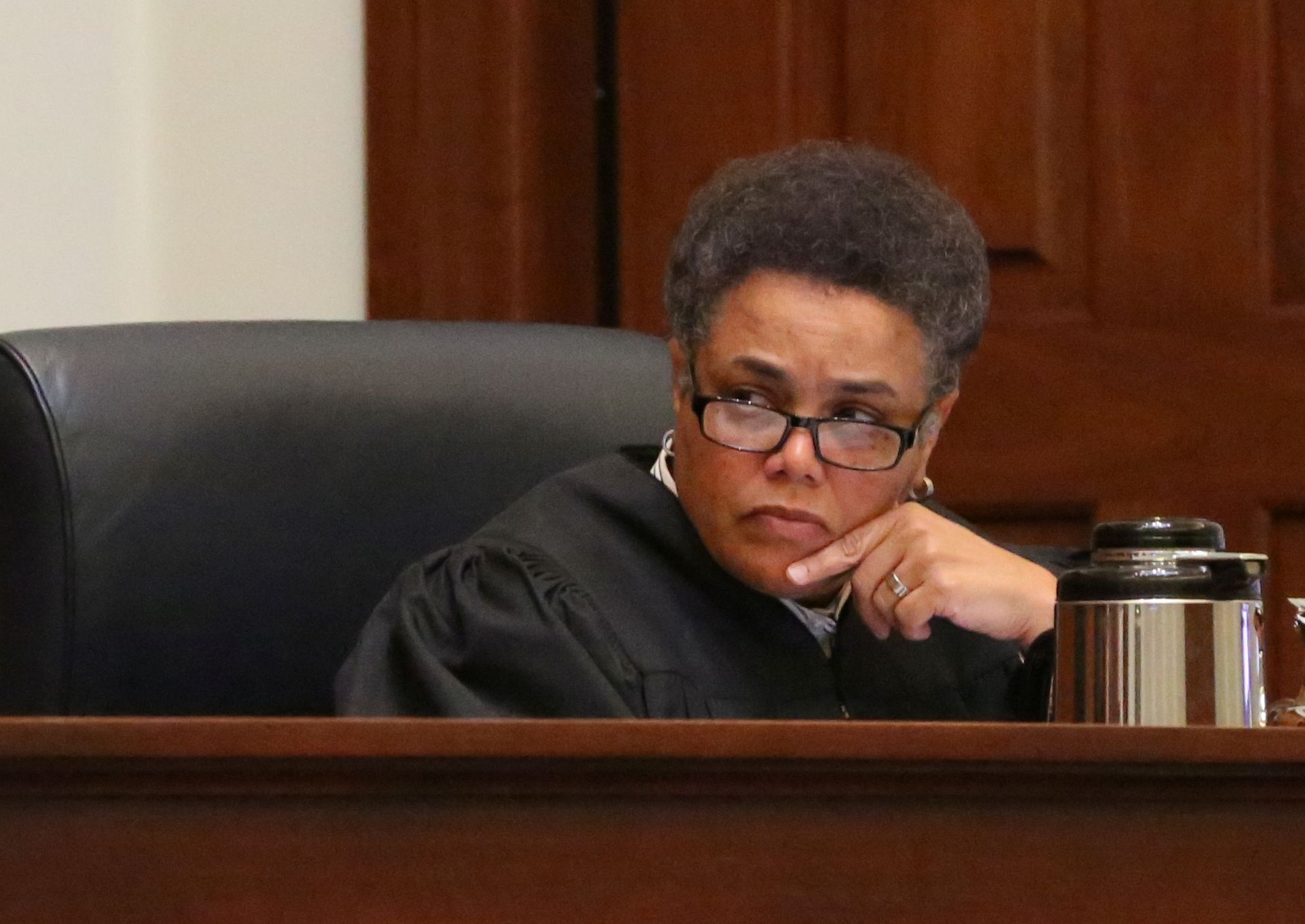
"As the Legislature explained in uncodified findings and declarations accompanying the RJA's enactment, 'use of animal imagery is historically associated with racism' and 'should not be permitted in our court system,'" she wrote.
Evans and Justice Goodwin H. Liu either dissented or wrote separate concurring opinions in all four cases. Writing separately from Evans, Liu repeatedly pointed out instances in which he believed the majority missed violations of the act, even if they did not affect the overall outcome.
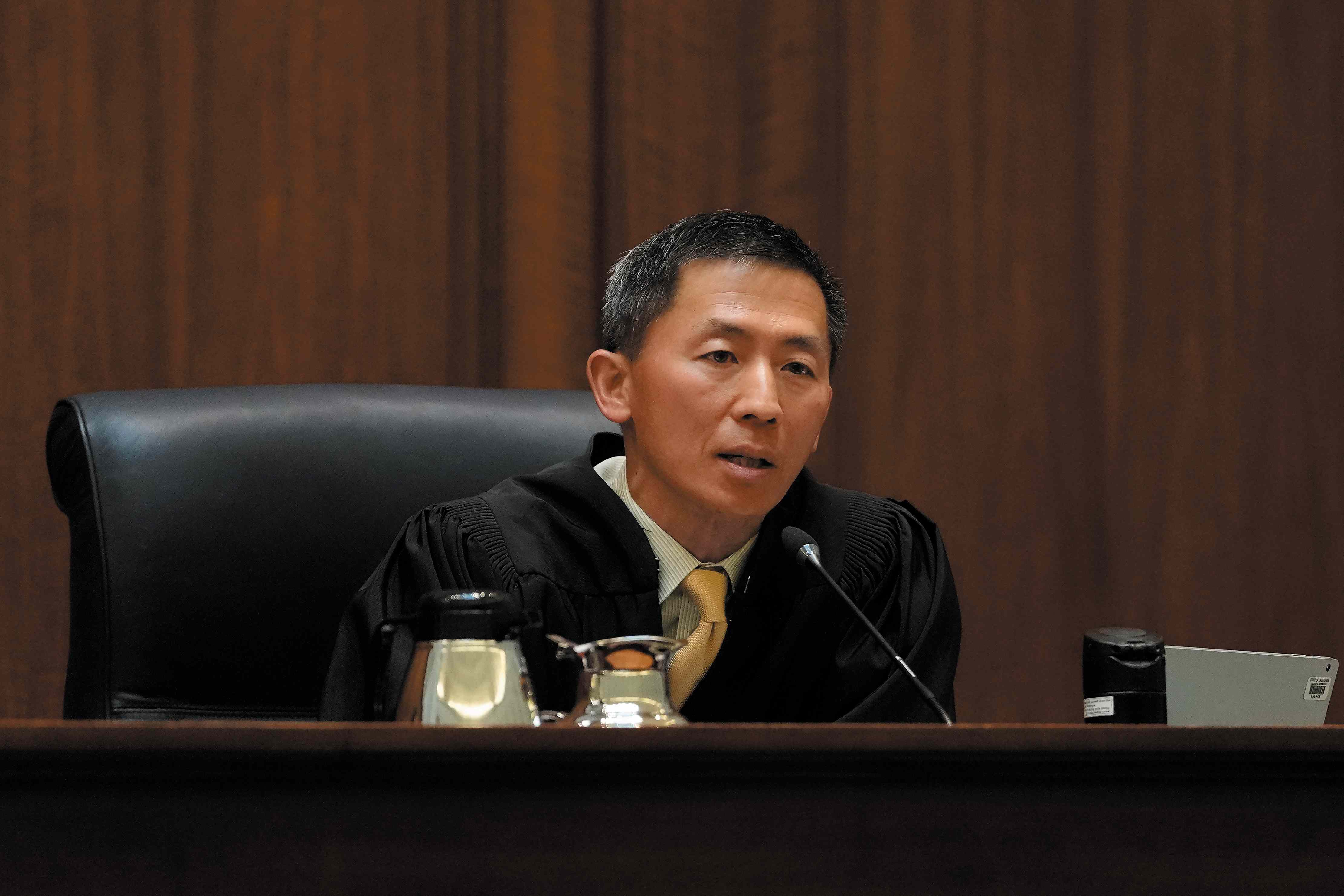
The justices broke with the 5-1-1 lineup in just one case. Groban upheld the death judgment of one defendant convicted of murder, though he dismissed a gang enhancement, and reversed the judgment of another. His ruling, however, dismissed the defendants' claims under the act, ruling on separate grounds. People v. Chhuon, S105403 (Cal. Sup. Ct., filed June 28, 2012).
Evans and Jenkins signed on to Liu's concurring and dissenting opinion. Liu argued the prosecutor violated the RJA by using Cambodian cultural and religious stereotypes against one defendant, portraying him as a failed immigrant and failed Buddhist. Liu said these appeals to ethnicity, national origin and religion were discriminatory and required reversal.
These rulings will hardly be the last word on the act. Scheidegger said despite the justices' rulings, the "RJA will still be a device for letting criminals off with less than they deserve on issues that actually have nothing to do with race."
"The shameful racial disparities in the application of California's death penalty reflect the accumulation of racial bias over decades," Spaulding said. "But it hasn't improved. Last year was the fourth straight year where every person sentenced to death in California was a person of color."
Malcolm Maclachlan
malcolm_maclachlan@dailyjournal.com
For reprint rights or to order a copy of your photo:
Email
Jeremy_Ellis@dailyjournal.com
for prices.
Direct dial: 213-229-5424
Send a letter to the editor:
Email: letters@dailyjournal.com