


Civil Procedure
Jun. 1, 2026
California Supreme Court limits blanket challenges to judges
Ruling preserves Section 170.6 motions but gives courts a way to curb bad-faith efforts to sideline judges


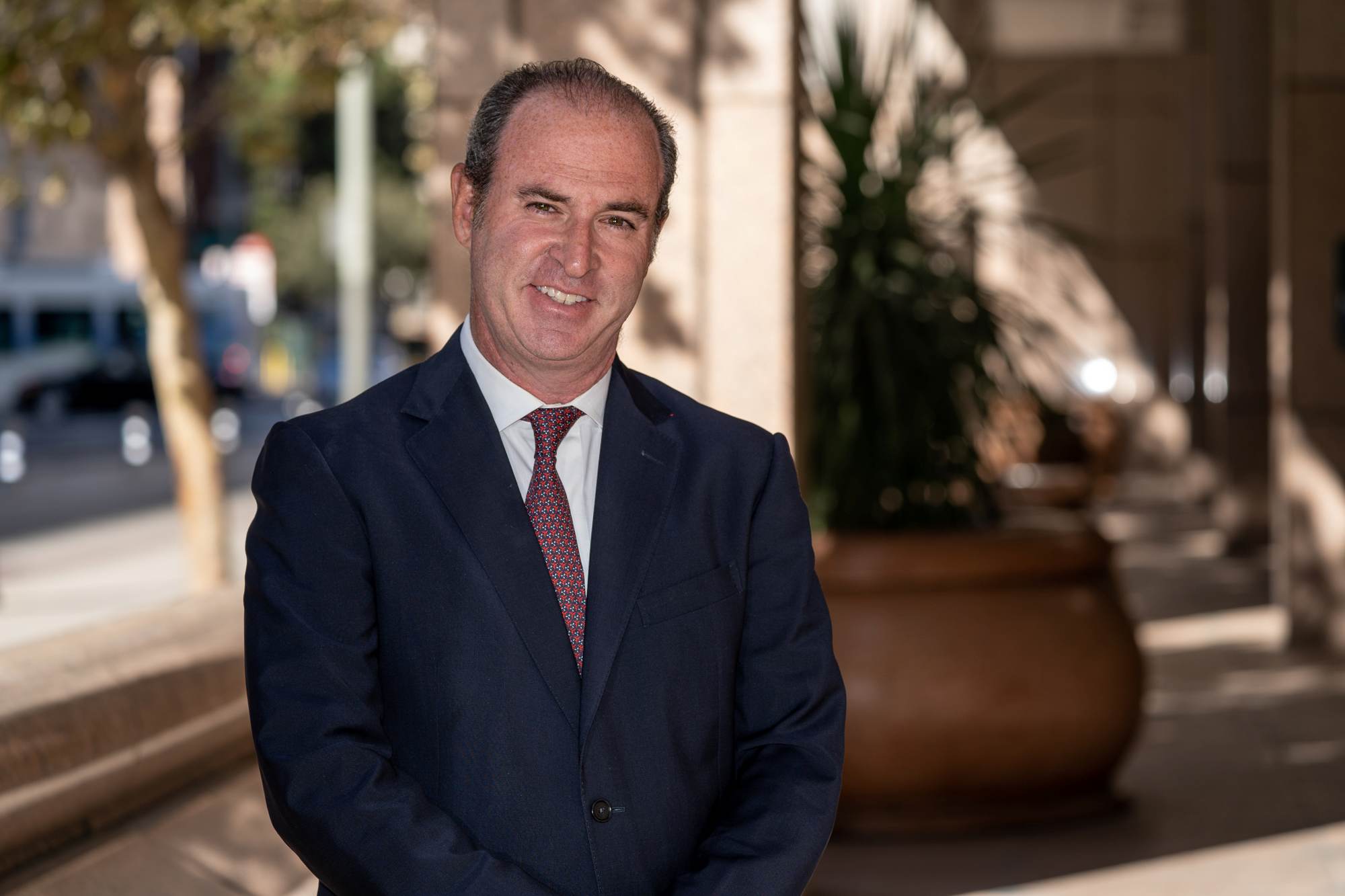
The California Supreme Court has limited so-called blanket attempts to remove judges.
Under the ruling issued Thursday, presiding judges can no longer be forced to reshuffle calendars simply because a repeat litigant decides to disqualify the same judge from all cases in a particular category or department. The ruling preserves Section 170.6 challenges but makes it easier for courts to rule that such motions have been brought in bad faith.
The unanimous opinion by Justice Joshua P. Groban found the underlying facts were extreme but illustrated enough of an issue to revisit rules that have been in place since 1977. The petitioner, identified only by initials, is someone under a county conservatorship who claimed the county was abusing the Section 170.6 process.
"Petitioner J.O. contends that after Judge Erin E. Guy Castillo admonished an attorney from the San Joaquin County Office of the Counsel (County Counsel) for actions that were improper, County Counsel blanket disqualified Judge Guy Castillo in all conservatorship cases, filing an estimated 325 challenges in the span of less than four months," Groban wrote. "Petitioner asserts this alleged blanket policy eventually required that Judge Guy Castillo be reassigned to a different department."
Groban remanded the case to the 3rd District Court of Appeal to consider "whether any further proceedings are necessary" regarding the "petitioner's objection to County Counsel's alleged blanket challenges." J.O. v. Superior Court, 2026 DJDAR 4241 (Cal. Sup. Ct., May 28, 2026).
"Since this matter remains ongoing, in light of the Supreme Court's remanding the case to the court of appeals, it would be inappropriate for me to comment," said Chief Deputy County Counsel Jonathan N. King when reached on Friday.
The Legislature passed Section 170.6 in 1957 to give litigants a way to remove a judge they believed was prejudiced without having to prove actual bias or unnecessarily delay proceedings. The California Supreme Court upheld the law 20 years later, finding that the growing use of blanket challenges under the law could be abusive but that the practice did not substantially impair the courts' constitutional power to administer justice. Solberg v. Superior Court (1977) 19 Cal.3d 182, 194.
"In the almost 50 years since Solberg was decided, the judiciary has changed dramatically and, as a result, it is now time to reconsider Solberg's logic with respect to blanket challenges," Groban wrote. "Since 1977, California's superior courts have seen a sharp increase in caseloads and case complexity."
California courts are also more specialized than they were when Solberg was decided, he continued. Because many calendars now require dedicated judges, repeated bad-faith 170.6 challenges can disrupt court administration by forcing a judge out of an assignment simply because a party dislikes that judge's rulings.
"The mere threat of blanket abuses could cause litigants to question the impartiality of the judicial system as a whole, as they may be understandably concerned that judges might feel pressure to rule in a particular manner to avoid reassignment," Groban wrote.
The ruling preserves the use of 170.6 motions but allows courts to consider evidence of bad-faith blanket challenges. Groban wrote that courts should also consider opponents' objections if they can "demonstrate a prima facie case that the motion's proponent is lodging bad faith blanket challenges against a particular judge."
The case attracted several amicus curiae briefs. In her brief filed last July on behalf of the California Judges Association, Heather L. Rosing urged the court to overrule Solberg and "suspend the use of 170.6 CCP affidavits by government attorneys until the Legislature takes action to impose reasonable safeguards." The founding partner of Rosing Pott & Strohbehn wrote that only lawmakers can decide rules for when "blanket papering" motions go too far.
"This Court's only option without legislating is to declare the filing of CCP §170.6 affidavits by government attorneys unconstitutional until the Legislature remedies this statewide misuse," Rosing wrote, adding that "defining 'blanket papering' for this Court is problematic and would likely result in further conflicted appellate litigation."
The petitioner was represented by the San Joaquin County Public Defender's Office.
"We are very pleased with the decision of the California Supreme Court, which ends the abuse of blanket judicial challenges exercised in bad faith," said Public Defender Judyanne D. Vallado in an email. "The court's decision today strikes a delicate balance between protecting parties from prejudice or discrimination and ensuring that judicial officers maintain their independence in decision making."
Malcolm Maclachlan
malcolm_maclachlan@dailyjournal.com
For reprint rights or to order a copy of your photo:
Email
Jeremy_Ellis@dailyjournal.com
for prices.
Direct dial: 213-229-5424
Send a letter to the editor:
Email: letters@dailyjournal.com