


Torts/Personal Injury
Apr. 3, 2026
LA personal injury hub ends as court returns to single-judge model
Los Angeles Superior Court sunsets its personal injury hub, shifting cases back to independent calendar courts as attorneys welcome single-judge oversight despite concerns about workload and long-term sustainability of the system.


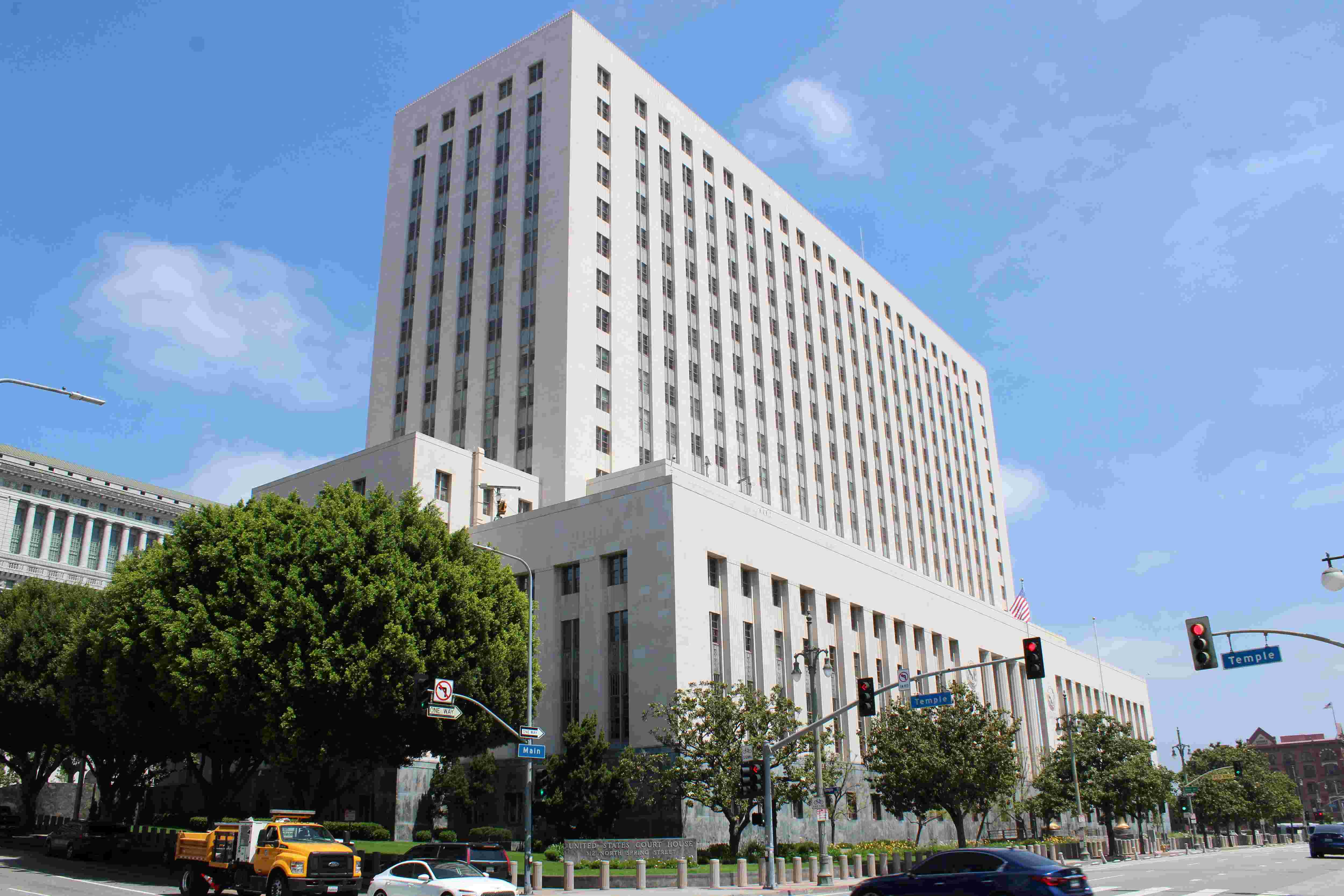
Originally created to handle overwhelming caseloads during budget cuts but long criticized by attorneys for delays and inefficiencies, the Los Angeles County Superior Court's Personal Injury Hub ends Friday as cases shift back to independent calendar courts.
"We have recovered from the days of 2012 and 2013 such that it's no longer necessary to send all the PI cases to hub courts, and we can have them handled in the IC courts, which is a better option," Supervising Judge Lawrence P. Riff of the civil division said in an interview this week.
The hub was phased out over several years before closing, shifting from a system in which multiple judges handled a case at different stages to a single-judge, start-to-finish model in independent calendar courts.
Los Angeles attorneys look back on the hub as a flawed but necessary measure, with many welcoming the switch to a single judge overseeing all proceedings in personal injury cases.
Shant A. Karnikian of Kabateck LLP said in a statement that the shift will benefit both attorneys and judges.
"The benefit of having a case in an IC courtroom is that the same judge gets to see the case from start to finish," Karnikian said. "This is beneficial to the lawyers -- and presumably to the judicial officer as well -- because the judge trying the case will have a first-hand understanding of the facts, issues, and dynamics in a case long before the case is trial-ready."
Kevin R. Boyle of Boyle Law in Santa Monica agreed, noting in an email that the single-judge model improves accountability.
"The hub filled a need at the time. But it is much better to have one judge assigned to a case from filing through trial. It prevents a lot of lawyer shenanigans -- in the hub, sometimes litigators on both sides of the 'v.' acted like kids with a substitute teacher."
The hub was established in 2013 as a centralized system based primarily at the Spring Street Courthouse. Conceived by now-retired Judge Dan Buckley, it was a direct response to profound state budget cuts.
"We found ourselves in a position where we needed to close courtrooms and reduce the number of staff," Riff said of the hub's origin. "Now, when you do that, you can't continue to do business as usual. It was Judge Buckley, in those days, who conceived of the idea that personal injury cases, defined as such in our local rules, or defined in a particular way, probably were cases that could best deal with less hands-on case management."
Despite these intentions, Riff said the hub was "an imperfect model."
"Those courts became overloaded," he said. "It was difficult to get a hearing, because of the demand, and I think the user experience was a less favorable experience than litigants get in our IC court."
Mike Arias of Arias Sanguinetti Wang & Team LLP in Los Angeles, who estimated that he had hundreds of cases go through the hub, agreed.
"Just getting a trial date out of the hub was sometimes excruciating," Arias said in a phone interview. "It was no fault of the judges. It was just the way the system was set up. You thought you had a trial date, and you didn't, or you thought you were ready to move forward, and you weren't."
Christian M. Contreras of Christian Contreras Law in Los Angeles expressed similar concerns in a phone interview.
"Given that there were so many cases within the hub assigned to a specific judge, that just inherently, with any judge and any department, will create issues," Contreras said.
He recalled a recent case in the hub that, after he tried to obtain a trial for "well over a year," ultimately settled once it was assigned.
"The bigger issue, just from a plaintiffs' perspective, was the immense difficulty of getting to trial," Contreras said.
Despite these challenges, Contreras said the hub was broadly effective at handling personal injury cases -- a sentiment echoed by Arias, who said the hub "served its purpose."
"It was a necessity because of the lack of courtrooms," Arias said. "We didn't like it at all, because we knew there'd be issues and things that would happen - that, of course, did happen - that would make our representation of our clients much more difficult, but we knew it was a necessary evil, and that it was the only way we were going to get through these very, very tough times."
Karnikian expressed appreciation for the standing order that provided the framework for the hub's operations.
"What I will miss most about the hub is the consistency and predictability on some of the logistics of motions and trial prep," Karnikian said. "There was something reliable and efficient about the standing order - it provided some degree of uniformity, consistency, and predictability in terms of how cases (at least the pre-trial/trial documents) were expected to be prepared for trial."
With the program at an end, Karnikian noted the potential for a new set of logistical issues as personal injury cases move to independent calendar courts.
"This 'hands-on' approach is always welcome, but I'm also aware that it increases the workload of every judicial officer, and I don't know how sustainable that is," he said.
While logistical and budgetary challenges persist, Riff said he is hopeful the change will better serve the Los Angeles legal community and their clients.
"We are able to have our personal injury cases handled in the IC courts, which is the better model in our opinion, which will be a better experience for the litigants, and is an enhancement of access to justice, really, for those people," Riff said. "We're doing that because it's the right thing to do, and we've been trying to get that done for at least half a decade, and we're very pleased that we have achieved this, and that the PI hub experiment is going to be in our rear-view mirror very soon."
Skyler Romero
skyler_romero@dailyjournal.com
For reprint rights or to order a copy of your photo:
Email
Jeremy_Ellis@dailyjournal.com
for prices.
Direct dial: 213-229-5424
Send a letter to the editor:
Email: letters@dailyjournal.com