


Alternative Dispute Resolution
Apr. 1, 2026
Inside Wage-and-Hour Mediations: What Neutrals Are Seeing Now
JAMS neutrals examine how evolving PAGA reforms, shifting case law and data-driven claims are reshaping mediation strategies in California wage-and-hour disputes


Wage-and-hour litigation in California is in a transition period, and the impacts of those changes are playing out very visibly in the mediation forum.
Recent reforms to the state's Private Attorneys General Act, newly proposed Labor & Workforce Development Agency regulations, evolving case law on arbitration and representative actions and a growing body of appellate decisions are reshaping how wage-and-hour disputes are filed, litigated and resolved. At the same time, many of the large employers that once dominated wage-and-hour class actions have already faced extensive litigation and settled cases with broad releases, leaving smaller and midsize businesses as targets.
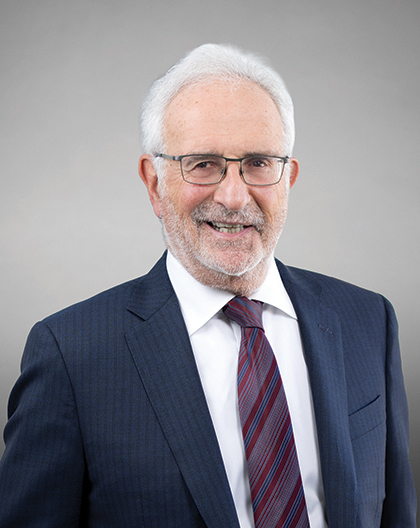
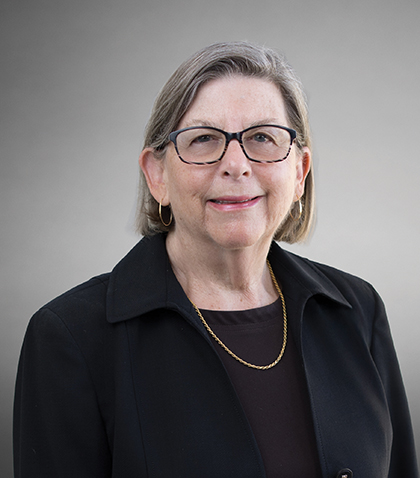
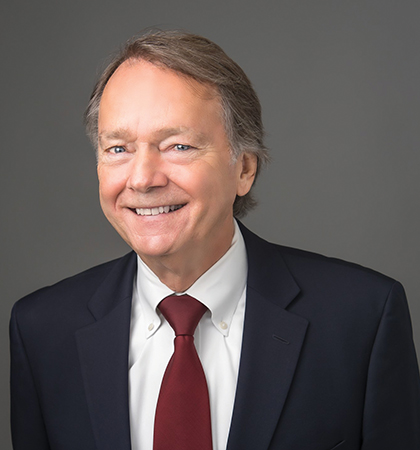
Judge Walsh, Deborah Saxe and Michael Loeb, all of whom serve as JAMS neutrals, regularly handle complex employment mediations. The changes to wage-and-hour laws and litigation trends are playing out in real time before them.
"PAGA has become a word that every employer hates, and plaintiffs' attorneys love," says Walsh. "I don't take a position on that--the only feeling I have is that every case could be settled."
The volume and structure of wage-and-hour filings are also shaping mediation dynamics. Many cases are filed broadly and early, sometimes before extensive factual development has occurred. That can leave mediators and defense counsel working to determine whether the alleged violations reflect systemic practices or more limited issues affecting smaller groups of employees. The proposed regulations are designed to eliminate many of the broad-based, generic PAGA letters filed with the LWDA.
"The law in this area is still unbelievably uncertain," says Saxe. "There are new cases coming out every week that make a difference."
The Unique Dynamics of Wage-and-Hour Cases
The biggest difference between employment discrimination or harassment disputes and wage-and-hour cases is the absence of emotional testimony but the presence of greater financial exposure, the neutrals say. The evidence focuses on numbers rather than behavior. This impacts who attends and participates in the mediation, and the process itself, they note.
"Because the numbers can be so large, you're often dealing directly with senior decisionmakers -- the CFO, the CEO and, sometimes, the business owner," Saxe says.
The high stakes can be particularly pronounced for smaller employers. Large corporations may have the resources and experience to absorb litigation risk, but smaller companies often face existential consequences. Small business owners may be worried about affording to pay their employees and keep their doors open when considering settlements.
"It can be deeply personal for them," Walsh says. "For a smaller employer, these cases can feel like the future of the company is on the line."
PAGA Remains Impactful
The most significant force shaping wage-and-hour litigation today is PAGA, which allows employees to bring lawsuits on behalf of the State of California to recover civil penalties for alleged Labor Code violations affecting themselves and other workers.
Recent legislative reforms to PAGA were designed to encourage early resolution and incentivize compliance, but the practical effect remains uncertain, the mediators say.
"Two years into the new statute, it's still difficult to see whether it has made a meaningful difference in negotiations," Loeb says. "The settlement dynamics often look very similar to what they were before."
The new proposed regulations are designed to change those dynamics and lead to easier settlements.
One element that could prove significant is the statute's standing requirement, which requires the named plaintiff to have personally experienced the alleged violation.
"If the named plaintiff didn't actually experience the violation being alleged, that claim may not survive," Loeb adds. "That makes early discovery and depositions much more important."
Recent court decisions interpreting how PAGA claims interact with arbitration agreements have also reshaped the litigation landscape and, in turn, mediation dynamics.
In Viking River Cruises v. Moriana, the U.S. Supreme Court held in 2022 that the Federal Arbitration Act permits employers to compel arbitration of an employee's individual PAGA claim, potentially separating it from representative claims brought on behalf of other employees.
The California Supreme Court clarified the issue a year later in Adolph v. Uber Technologies, holding that an employee compelled to arbitrate individual claims may still pursue representative PAGA claims in court if the employee remains an "aggrieved employee" under the statute.
For mediation, these decisions resulted in more complexity, not less, by introducing additional procedural layers.
"The big question was whether those decisions would dramatically change the number of PAGA cases being filed," Walsh says. "In my experience, we haven't seen the dramatic reduction some people expected."
Potentially, though, the uncertainty surrounding how courts will apply these decisions, along with several pending legal questions such as "headless PAGA" claims and time rounding practices, may create incentives to resolve disputes earlier through mediation -- before parties incur the costs and risks of litigating unsettled issues.
When the Numbers Drive the Case
Although wage-and-hour cases can involve complex legal issues, they generally turn on the numbers, according to the mediators.
"These cases are very data-driven," Saxe says. "You're often dealing with experts who are analyzing workweeks, pay practices and compliance across hundreds or thousands of employees."
"At the end of the day, a lot of these cases come down to workweeks multiplied by a dollar figure or pay periods," Loeb adds. "You can spend hours debating the theory, but the negotiation often becomes a simple math exercise."
Preparation Matters More Than Ever
Given the importance of data in wage-and-hour mediations, the neutrals say adequate preparation has a significant impact on the mediation process. The mediators hold pre-mediation calls to gather as much information as possible, which proves invaluable in keeping the mediation focused, streamlined and efficient.
Walsh encourages counsel to exchange mediation briefs and key information early so that each side can fully understand the dispute.
"You want the parties to have enough information to evaluate the case so the mediator can help move the negotiation forward," he says.
Saxe agrees that early information exchange can dramatically improve the chances of a productive mediation.
"If you're dealing with payroll data and expert analysis, that information needs to be shared early enough for people to evaluate it," she says. "Otherwise, the mediation becomes much more difficult."
Loeb is even more direct about the need for factual development before mediation. He says that some cases arrive with little investigation beyond the allegations in the complaint.
"A mediation works best when the lawyers know the facts of their case and have done their due diligence," he says. "Generalized allegations aren't enough to really evaluate the dispute."
A Litigation Landscape Still Evolving
"Employment law is always evolving," Saxe says. "New decisions and new statutes regularly reshape the framework that lawyers and businesses have to navigate."
Despite the evolving law, one constant remains: most cases will ultimately resolve through negotiations.
"With a good-faith effort from both sides, these cases can almost always be settled," Walsh adds. "The challenge is getting everyone to the point where they're ready to engage in that process."
Michael Loeb is a San Francisco-based JAMS mediator and arbitrator, handling employment disputes nationwide, including wage-and-hour class actions. He can be reached at mloeb@jamsadr.com.
Deborah Crandall Saxe, Esq., is a Los Angeles-based JAMS mediator and arbitrator handling labor and employment disputes, including class, collective, and PAGA actions. She can be reached at dsaxe@jamsadr.com.
Hon. Brian C. Walsh (Ret.) is a San Francisco-based JAMS mediator and arbitrator, handling complex civil disputes nationwide, including business, employment, securities, and technology matters. He can be reached at bwalsh@jamsadr.com.