


Mar. 24, 2026
San Francisco Public Defender Manohar Raju sanctioned $26K for contempt
The public defender's office has claimed unsustainable workloads prevented it from accepting the new clients as it threatened their constitutional due process rights.


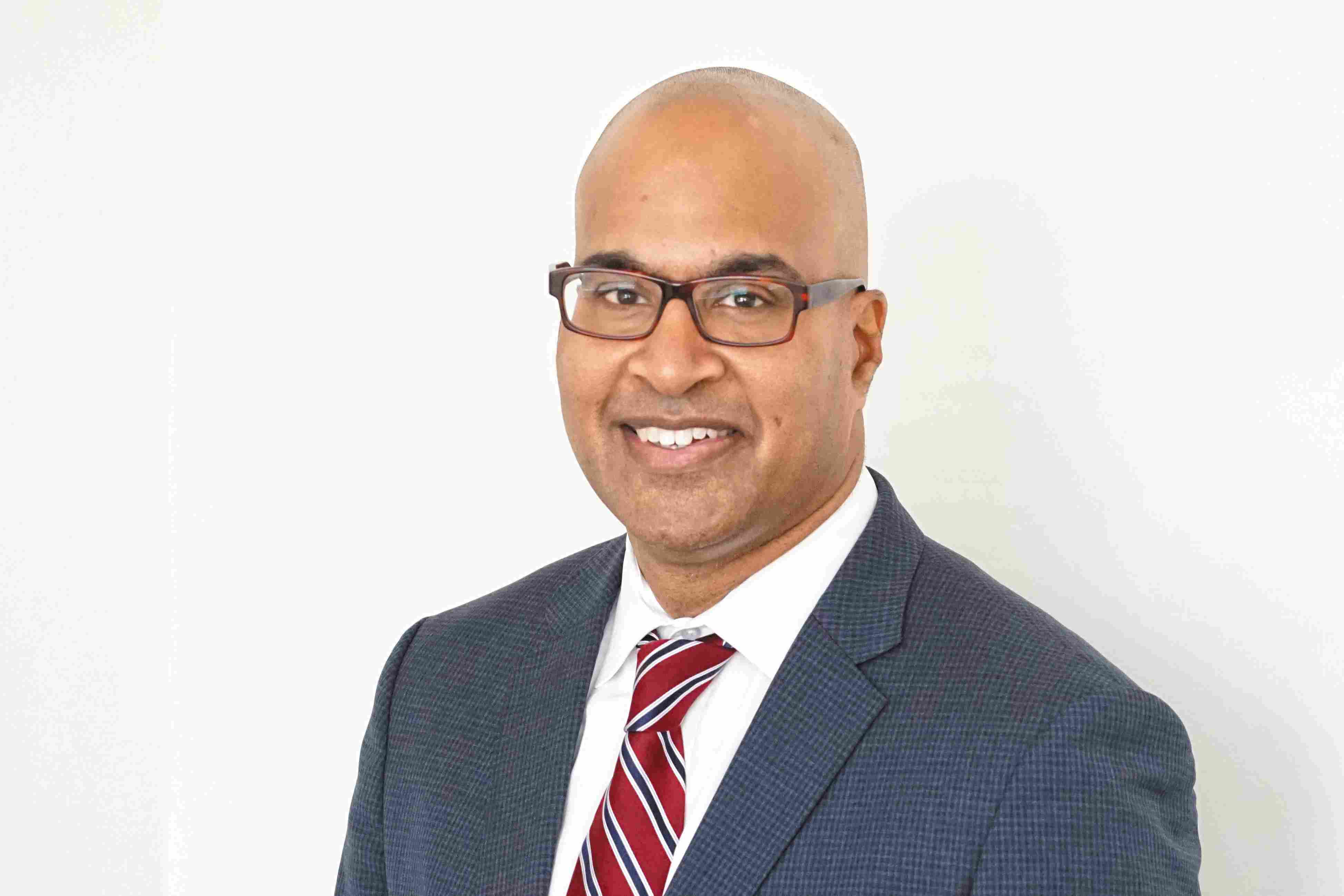
San Francisco Public Defender Manohar Raju was sanctioned $26,000 Tuesday after being found in contempt of court two weeks ago for refusing to accept new indigent clients, despite a judge ordering him to do so.
The public defenders claim unsustainable workloads prevent them from accepting new clients as inadequate counsel will threaten their constitutional due process rights.
San Francisco Superior Court Judge Harry Dorfman sanctioned Raju $1,000 for what he saw as 26 counts of contempt. Raju has until April 10 to pay the sanctions or seek appellate review.
"Just because I acknowledge Raju acted in good faith does not mean I'm going to retreat from court orders," Dorfman said at the hearing. Several of Raju's employees made statements describing their stress and overloaded casework.
Raju told Dorfman at the hearing that top ethics experts had stated in briefings to the court that it would be "unethical" for him to follow the judge's order to accept new clients. He added that it would be "illegal conduct" for him to infringe the constitutional rights of his clients by not providing adequate counsel.
After the hearing, Raju said in the court hallway, "It was a disappointing ruling. He clearly had a pre-prepared, typed-out ruling, so he didn't intellectually engage with any of what he heard today.
"We're looking forward to an appellate court reversing him and providing guidance for other public defender offices."
Raju said the sanctions are against the office, not him personally, but would not be paid because he expects an appellate court to stay Dorfman's ruling.
"I think he's expecting guidance from an appeals court," Raju added. "I think he realizes he's on pretty shaky ground."
Ahead of the sanctions hearing, Alameda County Public Defender Brendon Woods and chief public defenders from Marin, Contra Costa, Santa Cruz, Santa Barbara, San Joaquin, Sacramento, and several other counties appeared at a news conference outside the court to offer support for Raju and condemn the limited amount of funding available for public defender's offices across the state.
Supporters for Raju packed the courtroom and stood outside. They staged a walkout when Dorfman read his decision halfway through the hearing.
After the hearing, Woods said in the hallway that Dorfman's decision was "absurd, disingenuous and disappointing."
"I'm not sure this judge recognizes the potential harm he has just done to the community members of San Francisco and the potential impacts this could have on public defense statewide," Woods said.
Kory DeClark of BraunHagey & Borden LLP represented Raju and urged Dorfman not to apply any sanctions, but if he did, to make them only $1, describing Dorfman as having "extraordinary contempt power."
"Contempt sanctions are the wrong tool for a systemic problem," DeClark said. "Through no fault of its own, the public defender's office cannot keep up. This is about as mitigating as it gets.
"Monetary sanctions in the context of systemic problems from a lack of funding are only going to make things worse," DeClark added.
DeClark relied on independent workload studies to argue that the office lacked capacity to take on new clients. He pointed to the 2023 National Public Defense Workload Standards study as a benchmark for determining whether the San Francisco Public Defender's Office could take on additional clients. Using those metrics, DeClark said the office needs 36 more attorneys, 34 investigators, 17 social workers and 16 administrative assistants to meet its constitutional obligations.
Raju said after the hearing that he was working with City Hall on a plan to increase staffing in the office.
The conflict intensified last October when the Bar Association of San Francisco's conflicts panel -- attorneys typically appointed when the public defender has an ethical conflict -- absorbed more than 800 felony cases and said it could not accept new clients.
The Superior Court warned it might have to begin releasing pretrial defendants who had exceeded their constitutional time limits in custody. That development prompted a series of hearings led by Dorfman examining the Public Defender's Office's capacity and whether the court had authority to order it to accept new cases.
Only a handful of defendants were known to have been released.
James Twomey
james_twomey@dailyjournal.com
For reprint rights or to order a copy of your photo:
Email
Jeremy_Ellis@dailyjournal.com
for prices.
Direct dial: 213-229-5424
Send a letter to the editor:
Email: letters@dailyjournal.com