


Slideshow,
Community News
Mar. 2, 2026
MCLA hosted its second annual dinner


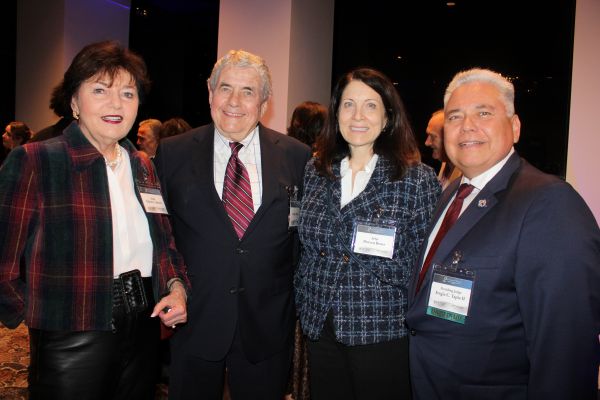
Justice Eileen C. Moore, Michael S. Fields of Long Beach, Superior Court Judge Doreen B. Boxer and Los Angeles County Presiding Judge Sergio C. Tapia II
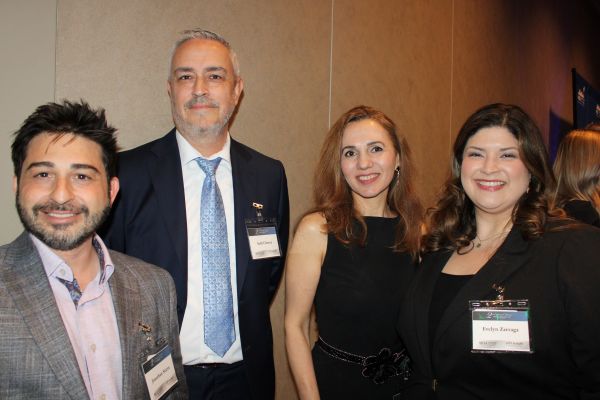
Jonathan M. Starre of Kramar Madnick LLP, San Fernando Valley Bar Association's Executive Director Seth Chavez, Grant Shenon Almaraz APLC's Luiza Manuelian and Evelyn Zarraga
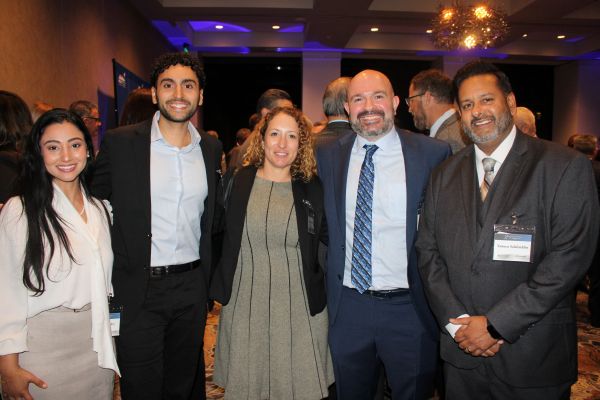
Afnan N. Shukry of Indio, Andrew Manavi of Los Angeles, Lillian C. Harwell of Lewis Brisbois Bisgaard & Smith LLP. Anthony S. Khoury of Westlake Village, Yameen Z. Salahuddin of Salahuddin Law APC
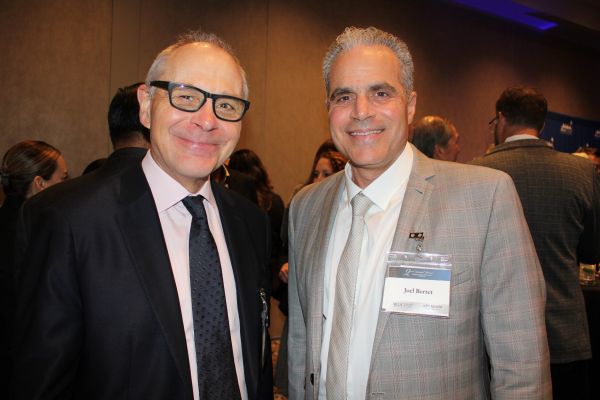
John G. Derrick of Santa Barbara and Joel A. Bertet of ResolveBertet
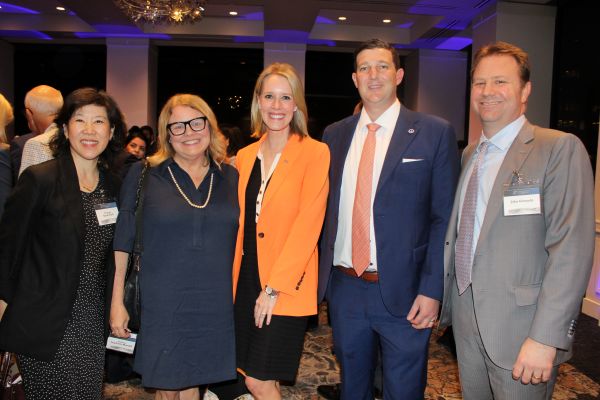
Professors Sarah Park and Stephanie Blondell, Pepperdine University’s Senior Vice Chancellor of Development Rebecca Mellos, Anthony Tyler Mellos of Pacific Palisades, John P. Glowacki of The Glowacki Firm
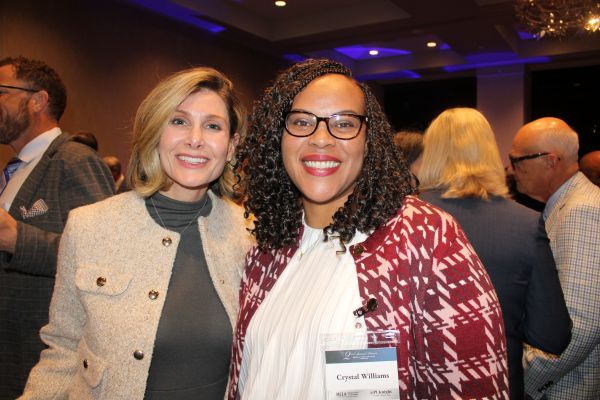
Michele A. Seltzer of Seltzer Law Group and Southern California Mediation Association’s Crystal Williams
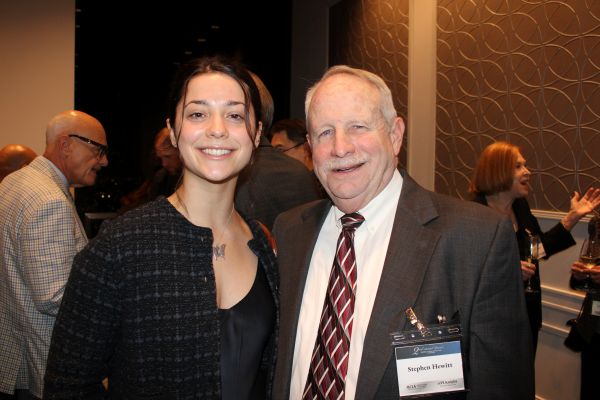
Mediation student Catherine Davis and Stephen L. Hewitt of Hewitt Legal
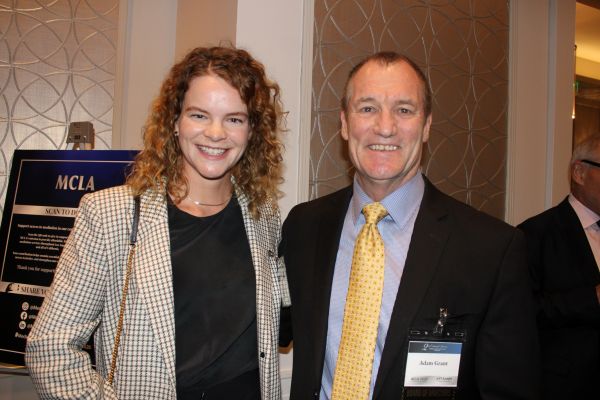
Emily Dvorak of Vancouver and MCLA’s Board of Directors Adam D.H. Grant of Grant Shenon Almaraz APLC
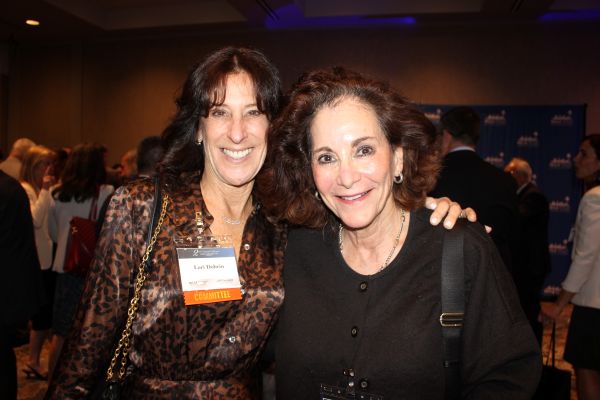
Lori M. Dobrin of Camarillo and Melinda Feldman of Advanced Mediation Solutions
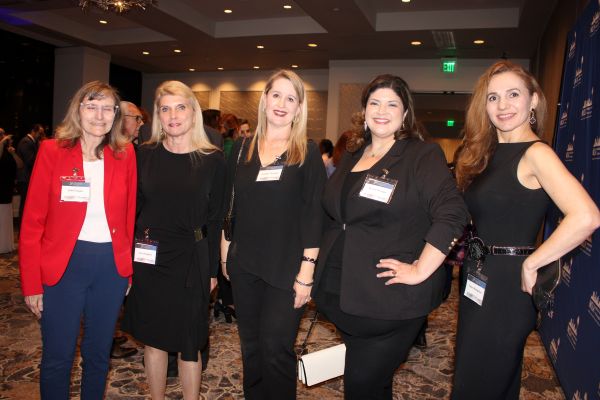
Jami K. Fosgate of Fosgate Family Law and Mediation Center, Stacy L. Raphael of Skane Mills LLP, Jennifer J. Terando of Woodland Hills, Grant Shenon Almaraz APLC’s Evelyn Zarraga and Luiza Manuelian
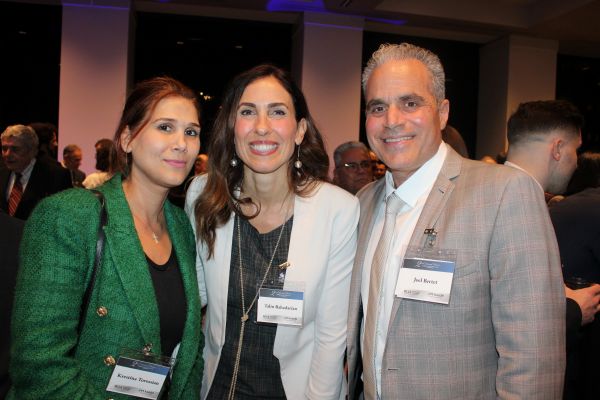
Krestina Torossian of Malibu, Talin S. Bahadarian of Valencia and Joel A. Bertet of ResolveBertet
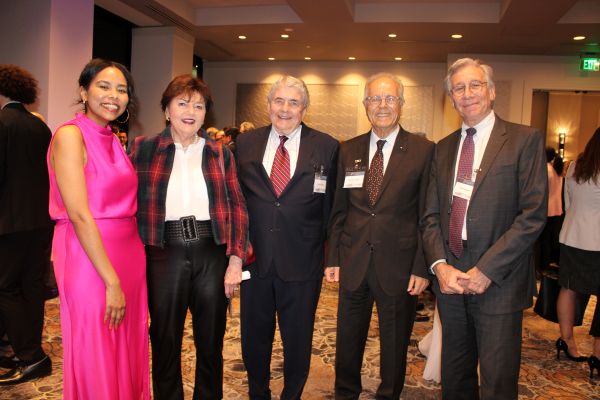
Alternative Resolution Centers (ARC) and MCLA Director of Business Development Devin C. Tucker, Justice Eileen C. Moore, Michael S. Fields of Long Beach, Mark K. Ameli of Ameli Law Group, Daily Journal's general Manager Paul Ingegneri
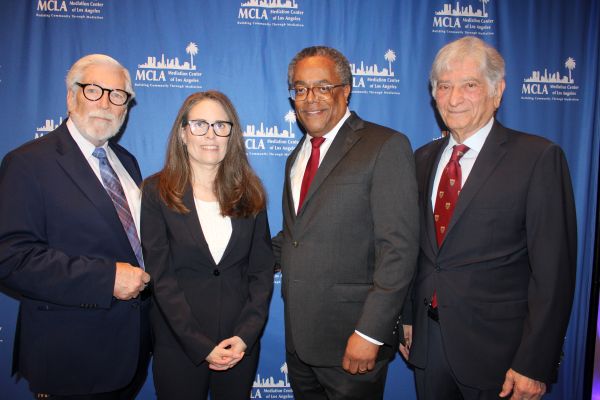
MCLA’s Executive Director Bennett W. Root Jr. of Lets Settle Now, “Commitment to Resolution” honoree Kerry Begonia, “Myer Sankary Founder’s Award” honoree Judge Huey P. Cotton, and MCLA’s Founder and President Myer J. Sankary of Advance Mediation Services
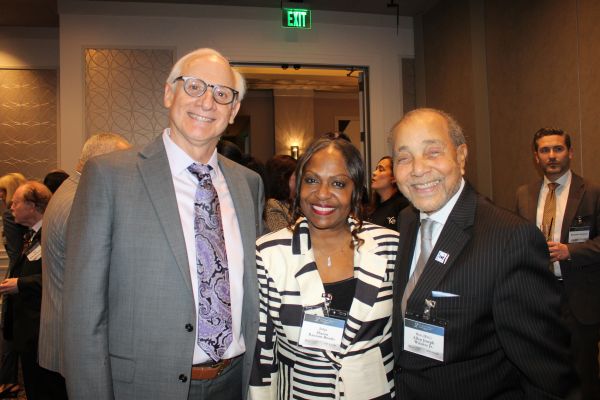
(Ret.) Judge Paul A. Bacigalupo of ADR Services Inc., Superior Court Judge Sharon Ransom-Brooks and (Ret.) Judge Allen Joseph Webster Jr.
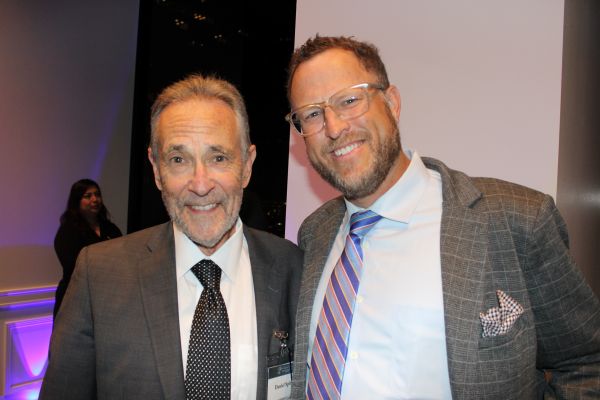
Daniel B. Spitzer of Encino and Alex S. Kasendorf of Grant Shenon Almaraz APLC
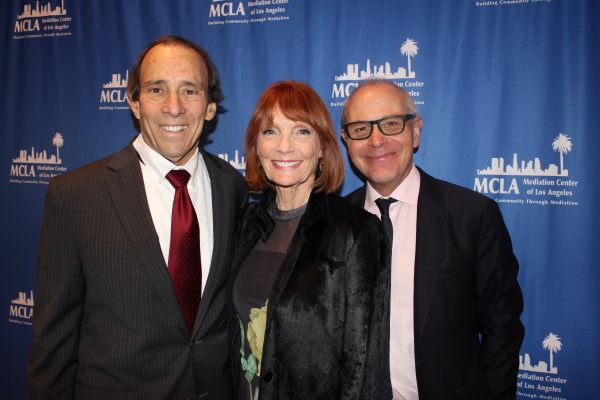
Robert M. Cohen of RMC Law, realtor Valerie Nickerson and John G. Derrick of Santa Barbara
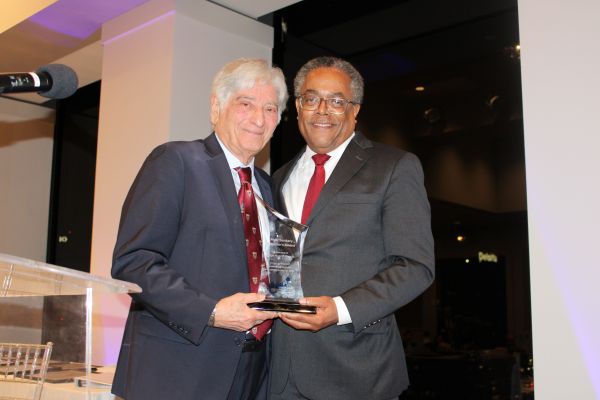
MCLA Founder and President Myer J. Sankary of Advance Mediation Services and honoree Judge Huey P. Cotton
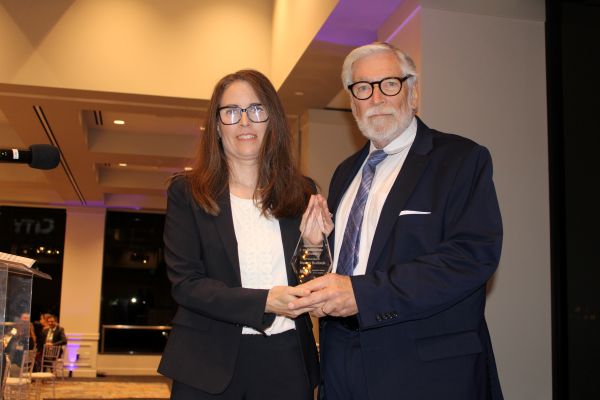
Senior Administrator for the Los Angeles Superior Court’s Alternative Dispute Resolution Office and “Commitment to Resolution” honoree Kerry Bigornia and MCLA’s Executive Director Bennett W. Root Jr. of Lets Settle Now
The Mediation Center of Los Angeles (MCLA) held its second annual dinner Thursday evening at the City Club Los Angeles, drawing judges, attorneys, mediators and alternative dispute resolution professionals in celebration of this year's theme, "Building a Culture of Peace & Community."
MCLA's Board of Directors Adam D.H. Grant of Grant Shenon Almaraz APLC delivered welcoming remarks, underscoring the growing importance of mediation in civil practice and praising the collaboration between the bench and bar in advancing meaningful dispute resolution.
Bennett W. Root Jr. of Lets Settle Now, MCLA's Executive Director, followed by emphasizing the organization's commitment to strengthening access to justice through community-based resolution. He then introduced Los Angeles Superior Court Presiding Judge Sergio C. Tapia II, who was in Sacramento earlier that day testifying to the Senate subcommittee that oversees judicial branch.
Tapia addressed the audience against the backdrop of rising civil filings. From 2022 to 2025, the court experienced a 67% increase in limited and unlimited civil cases, placing added strain on trial dockets. In response, the court expanded mediation referrals through MCLA. More than 3,000 simple unlimited civil cases were expected to be referred this year alone, generating substantial judicial time savings and reducing litigation costs.
"ADR is not just a tool for efficiency," Tapia said. "It is a cornerstone of access to justice."
Drawing from his early career in legal aid and as a public defender, Tapia said he learned that justice extends beyond verdicts. It involves "resolution, dignity and restoring balance." Mediation, he said, reflects those principles by promoting listening, understanding and forward movement.
Tapia also highlighted Assembly Bill 1950, introduced by Assemblymember John Harabedian, which would establish a pilot program in Los Angeles County allowing judges to refer civil cases to mediation based on suitability rather than the amount in controversy. Jury trial dates would remain set in advance, and the pilot would include a sunset provision to evaluate effectiveness.
"We believe this is key to reducing backlogs and allowing our judges to focus on the matters that truly require a judge," Tapia said.
The program also recognized Director of Civil Operations Nancy Bullock, who was not present, and ADR Administrator Kerry Bigornia with the "Commitment to Resolution" Award. Tapia described their work as grounded in the belief that mediation is "not merely a process -- it is a promise. A promise that justice can be achieved through collaboration, understanding and thoughtful dialogue."
Superior Court Judge Huey P. Cotton received the "Myer Sankary Founder's Award" and delivered deeply personal remarks about his journey toward embracing mediation.
As a newer judge, Cotton said he asked to be reassigned from a criminal courtroom because he had begun to question what the justice system was accomplishing.
"At the time, the mantra was 'Lock them up. Lock them up,'" Cotton said. "Forget mental illness. Forget the hurt infecting our communities. Forget the unfairness of the cash bail system."
"My heart hurt every night," he added.
He joked moving to a civil assignment would mean focusing on "money" rather than human cost. But his perspective shifted after attending an early gathering where MCLA Founder and President Myer J. Sankary of Advance Mediation Services outlined his vision of building community through mediation and peacebuilding.
"I sat in the corner and asked myself, how could these wild idealists believe they could build community and peace in three hours?" Cotton said. "I didn't get it. I said, 'Who is this brilliantly madman?'"
That evening, he said, "opened my eyes to the true mission of civil justice -- peaceful resolution."
Twelve years later, Cotton said he saw the impact daily in his courtroom.
"Lawyers and litigants come in asking for MCLA," he said. "That means more than just settling a case. It's more than a data point."
"That is a community victory. That is a court victory. That is MCLA being victorious."
The evening concluded with recognition of the mediators whose work, speakers said, restores peace and closure to litigants while strengthening public trust in the justice system.
Ricardo Pineda
ricardo_pineda@dailyjournal.com
For reprint rights or to order a copy of your photo:
Email
Jeremy_Ellis@dailyjournal.com
for prices.
Direct dial: 213-229-5424
Send a letter to the editor:
Email: letters@dailyjournal.com