


Ethics/Professional Responsibility
Feb. 13, 2026
San Francisco DA says judges fear public defender's challenges
District Attorney Brooke Jenkins accuses the the San Francisco Public Defender's Office of abusing peremptory challenges to remove a Drug Court judge for ideological reasons, escalating tensions over diversion policies and courtroom control.


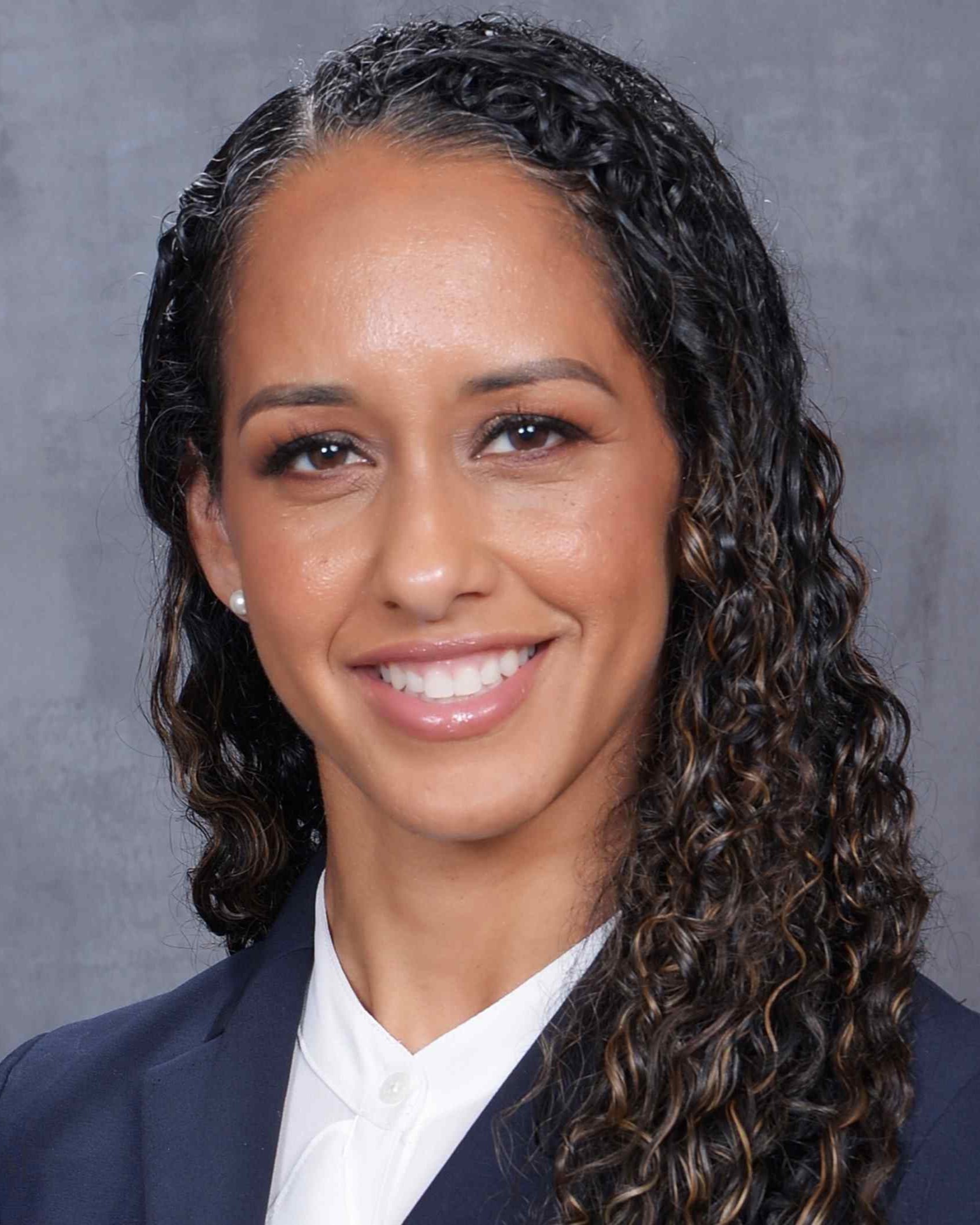
The San Francisco District Attorney has accused the Public Defenders' Office of forcing judges to "bend the knee" through use of peremptory challenges, after a Drug Court judge was challenged more than 70 times in recent weeks.
DA Brooke Jenkins accused Public Defender Manohar Raju's office of "judicial forum shopping" by issuing challenges to recently assigned San Francisco Superior Drug Court Judge Murlene Randle over "ideological" differences.
Raju's office said in a statement Thursday that the practice is not "unusual." Jenkins had a history of using the same challenges against other judges, and her office has "expressed concerns in the past about Judge Randle's efficiency to the Superior Court's presiding judge," the statement said.
Jenkins said in a phone interview Thursday that the public defender's office had a history of "weaponizing" Code of Civil Procedure 170.6 -- which gives attorneys the right to disqualify a judge without having to show a reason.
"Judges ran scared and still do," Jenkins said. "If they were not seen as acquiescing to what the public defender's office wanted, they knew they were at risk for getting sent to Civic Center Courthouse. They would literally be removed from the Hall of Justice."
To avoid that, judges would "bend the knee to the Public Defender's Office," Jenkins added.
Randle -- a former chief assistant district attorney who was appointed to the bench by Gov. Gavin Newsom in 2020 -- was contacted for comment but did not respond by press time. The San Francisco County Superior Court was also contacted.
Jenkins said at least 70 challenges had been made against Randle, but the public defenders had not provided a "substantive" reason for doing so. The challenges create "chaos and dysfunction in the courthouse" as new judges who are not up to speed on the Drug Court's processes are required to step in, Jenkins added.
The Public Defender's Office statement said it had issued the challenges "after observing Judge Randle's approach in other criminal courtrooms."
The office said it was "concerned" that Randle did not understand the role of treatment as a resolution in Drug Court.
"This lack of understanding can create bias that can hinder and harm participants who already have to overcome many challenges on their road to recovery," the office added.
California is one of the few states in the country where the peremptory challenge exists. David DeGroot who runs DeGroot Legal law firm in San Francisco, said lawyers "love" using the challenge as a way to "discipline judges," but it had been a problem for at least 20 years that is "very disruptive to the functioning of the court."
But the State Bar and Legislature do not see it as a problem, DeGroot said in a phone interview Thursday.
"Lawyers use 170.6 when they're not prepared," DeGroot commented. "Lawyers don't want to see the end of it because it gives them an escape valve in a master calendar situation where they're not really ready for trial."
The recent challenges come against the backdrop of ongoing tensions between the two offices, as the Public Defender's Office has been claiming it is "unavailable" to take on new indigent clients on certain days - a practice they have recently been ordered to stop. Raju is currently facing contempt hearings because the judge's order has not been obeyed.
Jenkins said the public defenders' strategy of peremptory challenges may be twofold - to restore to the Drug Court a judge she called more "liberal," Michael I. Begert. Jenkins suggested that the move would lighten the Public Defender's Office's caseload by sending more cases to treatment and fewer to trial through the Mental Health Diversion (MHD) program established by the Legislature under AB1810.
Jenkins said Begert had sent cases to diversion "in numbers we've never seen." Begert was approached for comment but did not respond by press time.
There were more than 1,000 diversions last year, according to Jenkins, giving San Francisco the highest number of diversions in the state.
According to data on the Judicial Council website which only goes up to the end of 2024, there were 581 diversions in 2024, with the rate increasing by around 1.5 times for the last three quarters.
The diversion program, signed into law in 2018, creates a "discretionary pretrial diversion procedure for defendants charged with misdemeanors or felonies who suffer from mental disorders," according to the Judicial Council website.
The law states that diversion can be applied if the court is satisfied the mental disorder played a role in the crime, and a mental health expert believes the defendant would respond to treatment.
Then-Gov. Jerry Brown signed an amended bill that took effect in 2019 that excluded certain violent crimes from diversion.
James Twomey
james_twomey@dailyjournal.com
For reprint rights or to order a copy of your photo:
Email
Jeremy_Ellis@dailyjournal.com
for prices.
Direct dial: 213-229-5424
Send a letter to the editor:
Email: letters@dailyjournal.com