


Technology,
Constitutional Law
Feb. 6, 2026
Section 230 and the litigation system it quietly built
Section 230 remains a decisive litigation gatekeeper, but as platforms algorithmically shape and generate content, courts are being forced to redraw lines between user speech and platform conduct.



Shon Morgan
Partner and Chair of the National Class Action and Mass Arbitration Group
Quinn Emanuel Urquhart & Sullivan, LLP
865 S Figueroa St, 10th Floor
Los Angeles , CA 90017
Phone: (213) 443-3252
Fax: (213) 443-3100
Email: shonmorgan@quinnemanuel.com
Harvard University Law School; Cambridge MA
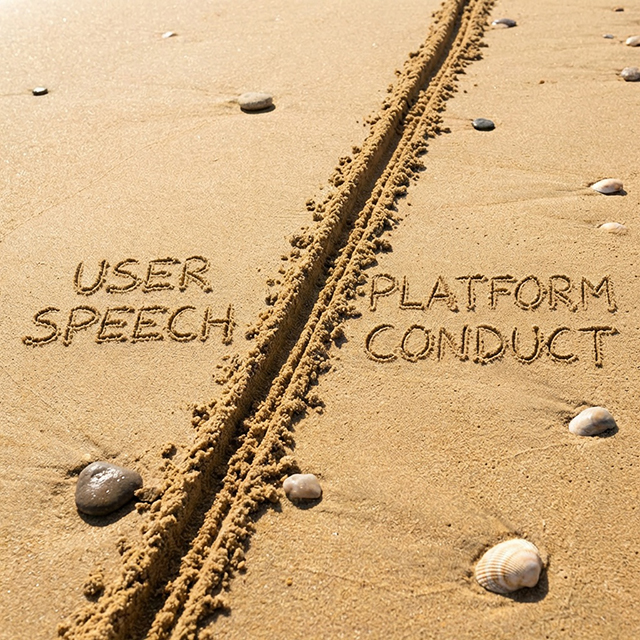
In courtrooms around the country, lawsuits over online
content often rise or fall on a question that sounds deceptively simple: Who is
the speaker? The user who posted the content, or the platform that hosted,
organized or amplified it? The answer frequently determines whether a case ends
at the pleading stage or proceeds into years of discovery and potential classwide exposure.
That line-drawing exercise is the day-to-day reality of
Section 230 of the Communications Decency Act. From a litigator's perspective,
the statute is not just a policy statement about the internet. It is one of the
most powerful procedural filters in modern civil litigation, shaping which
cases can be filed, how they are pleaded and whether they are resolved early or
proceed to full-scale discovery and possible trial.
That gatekeeping function matters because litigation is
not a neutral policy tool. Even weak claims can carry significant settlement
pressure once discovery costs, reputational risk and the aggregate exposure of
a class action enter the picture. Section 230 prevents many claims based on
third-party content from moving forward, sparing platforms from the leverage
that comes with protracted litigation. Just as importantly, it prevents 50
different state tort regimes from effectively setting speech rules through jury
verdicts that would inevitably conflict and sow confusion.
That structure still serves an essential role. Without it,
platforms would face strong incentives to remove lawful but controversial
speech simply because it creates legal risk. Moderation decisions would be
driven less by community standards and more by what might look safest to a
jury. The result would be a more cautious, more legally sanitized internet--one
shaped heavily by litigation avoidance rather than by open participation.
But the cases being filed today look very different from
those of the dial-up era. Platforms no longer simply host user posts. Many now
rank, recommend, auto-play, suggest connections and deploy algorithms that
determine what content travels furthest and fastest. Increasingly, they also
use artificial intelligence tools that summarize, generate or transform content
in ways that blur traditional lines between user speech and platform output. Courts
must work with statutory language and legal precedents developed in an earlier
technological era as they assess new forms of digital conduct that do not fit
neatly into "publisher" or "product" boxes.
For plaintiffs' lawyers and victims' advocates, Section
230 can feel less like a speech safeguard and more like a rule that leaves
certain claims without a clear path forward. When harms are tied not just to
what users say, but to how platforms structure or
present information, plaintiffs' lawyers are unsurprisingly asking that those
platform choices be treated differently from traditional publishing decisions.
Courts have responded with increasingly nuanced--and
sometimes inconsistent--approaches as they try to apply existing legal
categories to new technologies. Many cases now turn on whether a claim truly
targets third-party content or instead challenges a platform's own conduct,
such as product design, warnings or recommendation systems. The doctrinal fight
is no longer just "publisher versus speaker." It is whether digital tools that
sort, prioritize and surface information should be treated as editorial judgments,
product features or something in between.
That evolution also helps explain why Section 230 disputes
now look less like mechanical immunity questions and more like careful
exercises in line-drawing. Although Section 230 does not purport to alter First
Amendment doctrine, it often functions as a kind of procedural fast lane to
resolve disputes that sit close to First Amendment concerns. By defining when a
platform is treated as the speaker or publisher of third-party content, the
statute allows courts to address threshold questions about responsibility for
speech without wading into more complex constitutional analysis. Because these
issues are adjacent to the First Amendment--and First Amendment inquiries
themselves are often highly context dependent--it is neither surprising nor
particularly troubling that careful line-drawing now sits at the center of
Section 230 litigation.
None of that means the statute is either beyond critique
or ready for wholesale repeal. Removing Section 230 would not simply produce
more accountability; it would likely produce more aggressive content removal,
more cautious platform features and fewer opportunities for ordinary users to
speak and share online without heavy moderation or exclusion.
The most productive path forward is unlikely to be found
in slogans about immunity or censorship. It lies in the more difficult task of
determining when claims are truly about third-party content and when they are
directed at a platform's own conduct as recognized under established law. That
is a subtle line, and it is being drawn incrementally in courtrooms every day.
In practice, Section 230 is neither a relic nor a
cure-all. It is a blunt rule performing delicate work--preserving space for open
participation while courts and lawmakers work to define how far legal
responsibility should extend when digital architecture intersects with
real-world consequences.
Submit your own column for publication to Diana Bosetti
For reprint rights or to order a copy of your photo:
Email
Jeremy_Ellis@dailyjournal.com
for prices.
Direct dial: 213-229-5424
Send a letter to the editor:
Email: letters@dailyjournal.com