


Jan. 22, 2026
Snap exits first teen trial while key rulings steer social media litigation
After Snap settles one teen's case on the eve of first bellwether trial, Los Angeles judge imposes juror anonymity and evidentiary limits shaping upcoming social media addiction litigation.


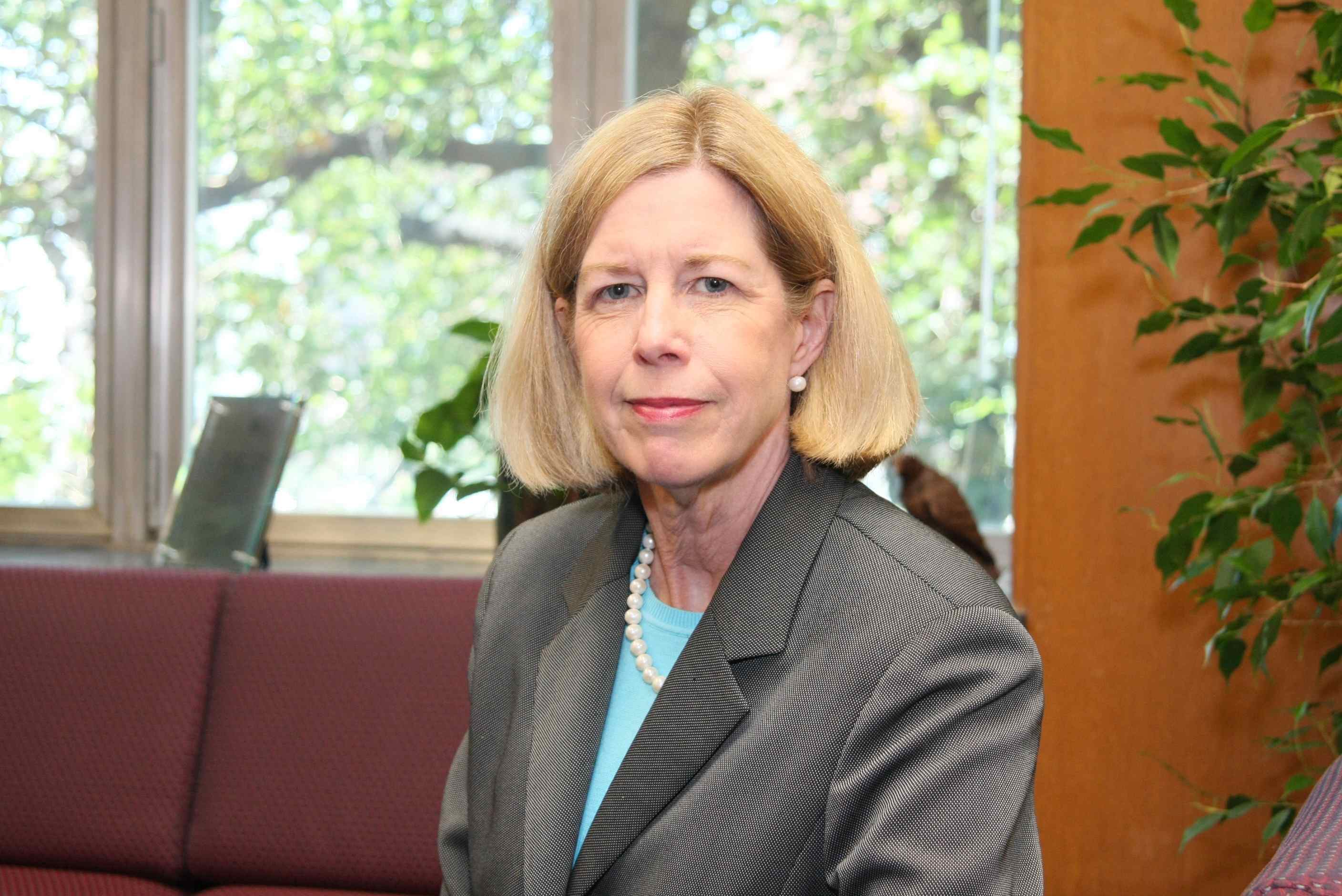
Snap Inc.'s last-minute settlement has cleared one defendant from next week's bellwether trial in Los Angeles County's coordinated social media addiction litigation, but it remains unclear whether platforms owned by Meta, ByteDance and Google will follow suit.
The deal was reached Tuesday in the case brought by a teen identified as K.G.M. While Snap is no longer a defendant in this case, it remains so in other social media addiction lawsuits that have been consolidated before Superior Court Judge Carolyn B. Kuhl.
Terms of Snap's settlement have not been disclosed. Lanier Law Firm managing attorney Rachel Lanier, who will co-lead the teen plaintiff at the Jan. 27 trial, said the agreement's terms are confidential and that she could not comment further.
It is also unclear whether Snap's settlement amounted to only a cash payment or includes product and algorithm changes aimed at the case's core allegations.
Panish | Shea | Ravipudi LLP partner Brian J. Panish, also co-leading for the teen plaintiff, said in an email that it is "uncertain at this time" whether Snap will settle the other cases. He did not comment on whether the remaining tech defendants are also considering settlement.
Defending Snap in the case is Munger Tolles & Olson partner Jonathan H. Blavin. In a statement from Snap spokeswoman Monique Bellamy, the company said: "The parties are pleased to have been able to resolve this matter in an amicable manner."
Blavin could not be reached by press deadline Wednesday and did not respond to an email or voice message left with Munger Tolles.
Joining the plaintiffs in the case are several attorneys at Keisel Law LLP and Beasley Allen Crow Methvin Portis & Miles PC.
Covington & Burling LLP represents the Meta and Facebook defendants. King & Spalding LLP represents ByteDance and TikTok. Several attorneys at Wilson Sonsini Goodrich & Rosati LLP, Williams & Connolly LLP and Morgan, Lewis & Bockius LLP represent Google and YouTube.
The claims center around a novel theory that social media platforms are inherently defective products subject to personal injury liability - a claim the companies dispute by denying a scientific link to addiction and asserting constitutional speech protections.
Families leading the lawsuits allege apps like Instagram and TikTok intentionally use addictive design features that cause psychological, emotional and physical injuries to children, including death in some cases. Social Media Cases, JCCP5255 (L.A. Super. Ct., filed Oct. 24, 2022).
The litigation focus now turns to the remaining platforms and a series of evidentiary and trial-management rulings from Kuhl this month that will shape what jurors can and can't hear.
One of the biggest practical issues heading into next week's voir dire is how juror privacy and fair selection will be balanced. On Jan. 15, Kuhl granted the plaintiffs' motion on this in part and ordered counsel to finalize a written order restricting juror research.
In the ruling, Kuhl explained jurors will remain anonymous to the public - referred to only by number - because there has been "substantial media interest" and she wants jurors to be able to "return to the privacy of their personal lives" after the trial closes.
In a statement, Lanier, for the plaintiff, said: "Judge Kuhl's ruling aims to protect jurors and ensure fair jury selection. If social media giants can access information on what jurors do on their platform, it violates their privacy and makes people afraid to serve on this jury. Jury selection should be based on asking questions in court, not using internal company data to profile potential jurors."
The more complex question was whether counsel and parties should know jurors' identities. Kuhl ruled that California law generally expects "liberal and probing examination" to uncover bias or prejudice in civil cases.
But the judge also credited plaintiffs' concern that the social media companies have access to "large quantities of data" and the capacity to analyze it in ways that could create a "significant disadvantage" for plaintiffs if used during jury selection.
She concluded she would craft limitations that "place the parties on an even footing" by restricting jury research to public sources while protecting "reasonable privacy rights."
An approved proposal filed Wednesday reflects the contours of that compromise. It bars the parties from "conducting any investigation or research ... concerning any juror," including through facial recognition, and prohibits the parties from obtaining jurors' names at all.
These limits come after the defense pushed back, saying the proposed juror anonymity protections were out of step with California practice. In an opposition brief, the defense argued Kuhl had already rejected full anonymity and emphasized the importance of juror information - including names and employment - to allow parties to exercise challenges for cause and peremptory strikes.
They proposed a narrower limitation: restricting any research to "publicly available sources" equally available to both sides.
On the merits, Kuhl's recent evidentiary rulings preview a trial framed less around broad cultural debates and more around what specific plaintiffs experienced - and what defendants knew or should have known.
In a Jan. 16 ruling on plaintiff K.G.M.'s effort to keep out evidence of alleged drug use, the judge granted the motion in part, excluding most references because she found defendants' showing was speculative and carried a "serious risk of prejudice."
Kuhl also granted a motion that blocks defendants from portraying the plaintiffs' families as serial litigants motivated by money through unrelated settlements or lawsuits. She rejected the argument that prior litigation history could be used to suggest parents or guardians are pursuing the case for "financial gain," calling it an improper character inference and concluding it would be more prejudicial than probative.
At the same time, Kuhl largely denied YouTube's bid to categorically exclude third-party user complaints as hearsay, emphasizing that such evidence may be relevant for notice - including whether the company had reason to know its platform was causing harm - and could bear on negligence, failure-to-warn and punitive damages theories.
But she drew a line at inflammatory complaints about third-party content that the plaintiffs never interacted with, excluding two examples under California Evidence Code section 352 and finding that broad "unfiltered" compilations of complaints were largely irrelevant.
The trial is expected to last about eight weeks, with roughly one week set aside for jury selection.
Devon Belcher
devon_belcher@dailyjournal.com
For reprint rights or to order a copy of your photo:
Email
Jeremy_Ellis@dailyjournal.com
for prices.
Direct dial: 213-229-5424
Send a letter to the editor:
Email: letters@dailyjournal.com