


International Law
Jan. 14, 2026
Governing by tweet: The human cost of unpredictable U.S. foreign policy
For Iranians, U.S. foreign policy isn't just unpredictable--it's dangerous, as shifting statements and unclear signals from Washington can raise hopes, trigger crackdowns and leave people vulnerable.



To be Iranian today, whether inside Iran or watching from
abroad, is to live with extraordinary uncertainty. That uncertainty does not
stem solely from the actions of the Iranian regime, but also from the
unpredictability of international responses to it, particularly those of the
United States.
For millions of Iranians, U.S. foreign policy is not an
abstract debate or a matter of partisan preference. It is a question of
personal safety, imprisonment or worse. Words spoken by American leaders can
raise hope, alter behavior and provoke retaliation. They carry real
consequences for people with no margin for error.
In the last month, American foreign policy toward Iran has
increasingly been communicated in fragments, often through public statements or
social media posts that appear uncoordinated, quickly revised or quietly
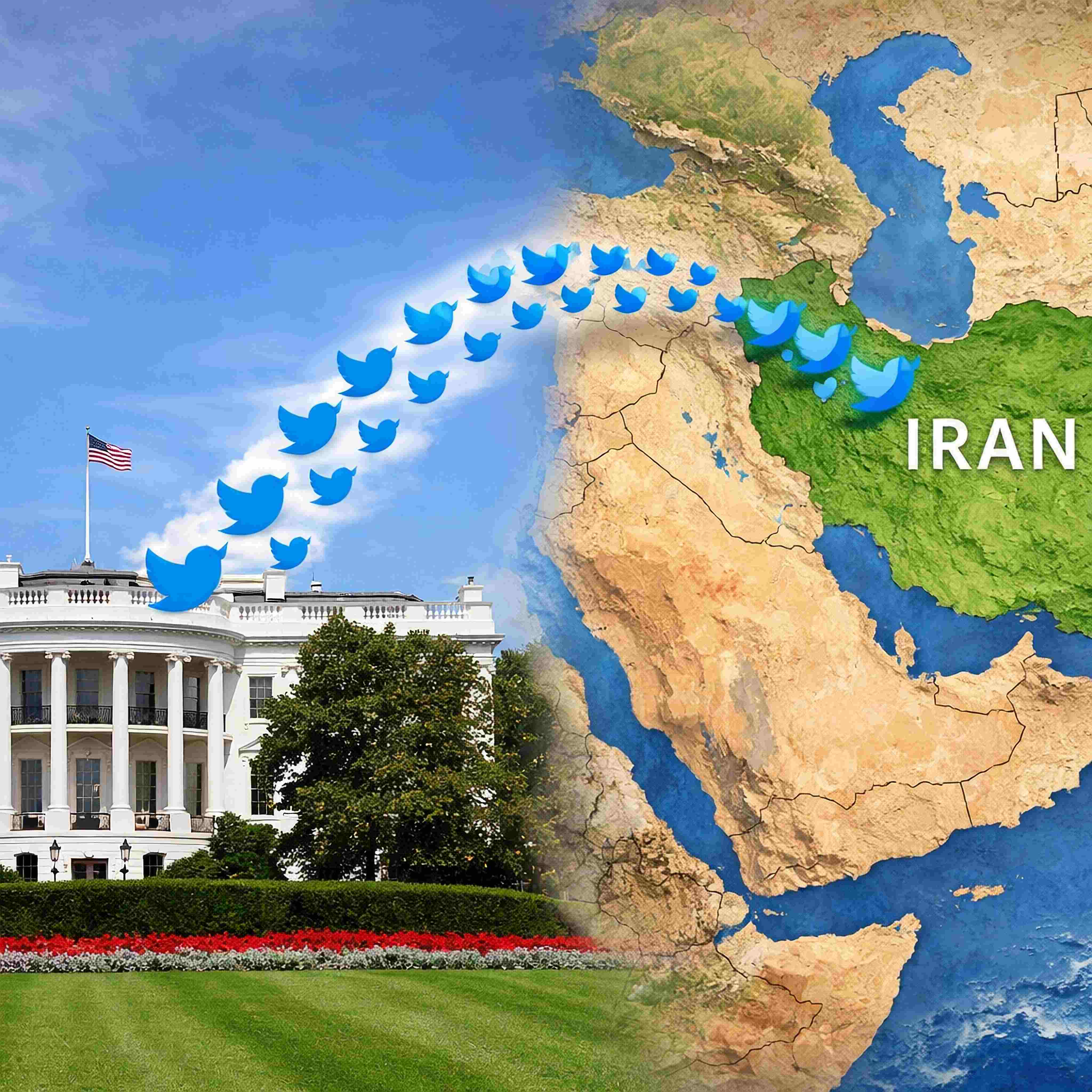
abandoned. Hope arrives via tweets. So does confusion. So does risk.
A single statement suggesting support for the Iranian
people can embolden protestors or signal pressure on the regime. But when that
statement is later walked back, contradicted or left unexplained, those same
individuals may be left exposed. In Iran, expectations raised publicly cannot
be safely undone.
This is not strategic ambiguity. Strategic ambiguity is
deliberate, disciplined and carefully calibrated. What Iranians are witnessing
instead often feels improvisational, with policy signals emerging before they
have been fully analyzed, vetted or aligned with institutional consensus.
Supporters may argue that unpredictability itself is a
strategy, that pressure applied inconsistently can still yield leverage, or
that unconventional approaches sometimes succeed where traditional diplomacy
has failed. History does offer occasional examples where disorder produces
unexpected openings.
But for those living under repression, the distinction
between strategy and impulse is not academic.
When American leaders speak casually about intervention,
negotiations or "standing with the Iranian people," those words reverberate far
beyond Washington. They echo into interrogation rooms and court proceedings.
They shape decisions made by people who will bear the consequences long after
attention has moved elsewhere.
False or fragile hope is not harmless. It can be
destabilizing. And when delivered without institutional discipline, it risks
doing more harm than good.
Foreign policy is not a forum for thinking out loud. It is
an exercise in consequence management. Serious governments test ideas privately
so that public statements mean something. When meaning becomes optional,
credibility erodes, and those most affected pay the price.
But past U.S. inaction has been so dispiriting that
Iranians are willing to grasp even this fragile hope and unpredictable
"strategy," at all costs to them, simply because it represents something rather
than nothing. During the Green Movement in 2009, when millions protested a
disputed presidential election and demanded democratic accountability, security
forces killed at least dozens of demonstrators and arrested thousands, while
many waited in vain for meaningful international engagement from the Obama
administration. When nationwide protests followed the death of Mahsa Amini in
2022, after she was detained by Iran's morality police, the crackdown was even
more severe, with hundreds killed and tens of thousands arrested, while the
Biden administration issued statements of concern but took no tangible action.
Earlier protests, including those during the first Trump administration, when
economic pressure and internal unrest sparked demonstrations across Iran,
followed a similar pattern, attention, rhetoric and eventual retreat.
The lesson Iranians learned was consistent: do not expect
much, and do not expect it to last.
This week, however, President Trump has gone farther,
rhetorically, than any careful president before him. Through public posts
declaring that the United States was "locked and loaded and ready to go" if
Iran killed peaceful protesters and that "help is on the way" to Iranians
suffering under brutal repression, he has projected a level of immediacy and
potential intervention that prior administrations avoided. At the same time, on
Jan. 12 he indicated that a meeting with Iranian officials was being arranged
after Iran reportedly reached out to negotiate, saying that "a meeting is being
set up," while also warning that the United States might act first if the
violence continued. The next day, he announced in a Truth Social post that he
had canceled those meetings, stating that talks would not occur unless Iran
stopped killing its own people, and adding, "HELP IS ON ITS WAY." Taken
together, the rapid shift from announcing talks to canceling them while
simultaneously threatening action and promising assistance underscores how
confusing and destabilizing this messaging has been for Iranians trying to
discern whether a coherent policy exists at all.
Against the backdrop of utter inaction by previous
presidents, even inconsistent attention from this White House can feel
different and is welcomed. Even confusing signals can register as movement.
Even the possibility, however accidental, that pressure might materialize feels
novel. That is not an endorsement of disorder. It is an indictment of how low
expectations have been set.
History is rarely tidy. Sometimes chaotic actions land in
ways their authors did not intend. Sometimes pressure, even imperfectly
applied, creates space. Iranians can acknowledge that possibility while still
recognizing the risks.
But hope built on accident is a fragile thing.
And yet many Iranians will accept even fragile hope, at
all costs, because it is more than they have been offered before. That reality
should trouble American policymakers. It suggests not success, but a long
record of disengagement that has conditioned people to accept uncertainty as
progress.
As Washington debates the merits of unconventional
diplomacy, Iranians are left deciphering whether today's statement signals real
commitment or is simply another passing remark, one that will fade after the
damage is done.
Submit your own column for publication to Diana Bosetti
For reprint rights or to order a copy of your photo:
Email
Jeremy_Ellis@dailyjournal.com
for prices.
Direct dial: 213-229-5424
Send a letter to the editor:
Email: letters@dailyjournal.com