


Aug. 12, 2026
Payment of benefits does not excuse unreasonable delay
A recent appellate decision makes clear that an insurer's unreasonable delay in paying benefits can trigger bad faith liability--even when the insurer eventually pays the claim in full.


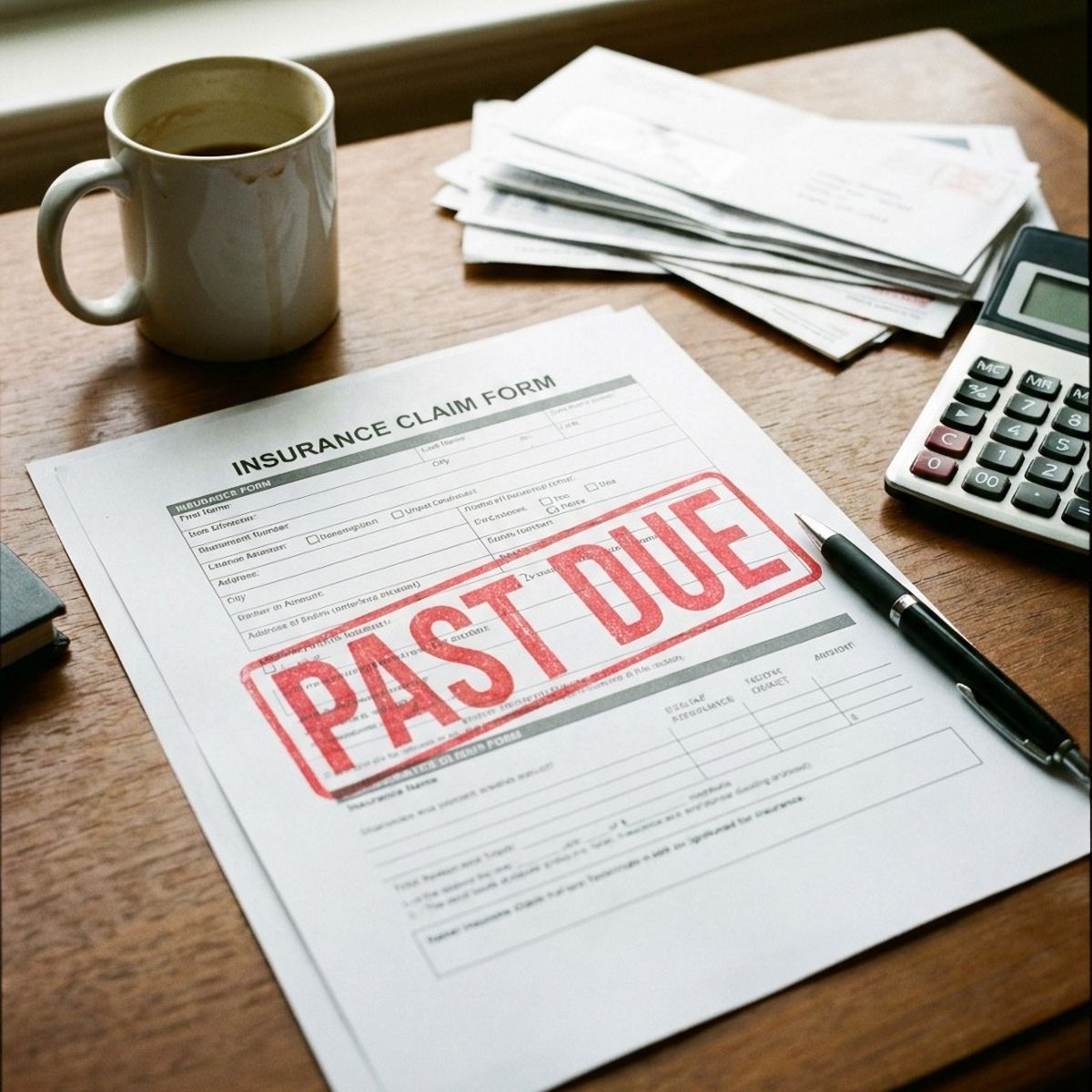
An insurance policy rests on a simple promise: when an insured makes a claim, the insurer will pay what it owes fairly and promptly. Many insurance disputes arise from the insurer's failure to pay benefits owed under the policy. But the unreasonable failure to timely pay benefits may, alone, support a bad faith claim against an insurer. This principle was recently reaffirmed in the Second District Court of Appeal's decision in Bornoff v. State Farm General Ins. Co.
...For only $95 a month (the price of 2 article purchases)
Receive unlimited article access and full access to our archives,
Daily Appellate Report, award winning columns, and our
Verdicts and Settlements.
Or
$895, but save $100 when you subscribe today… Just $795 for the first year!
Or access this article for $45
(Purchase provides 7-day access to this article. Printing, posting or downloading is not allowed.)
Already a subscriber?
Sign In