


Family
Aug. 5, 2026
Whose fault is it? His? Hers? Theirs? Or nobody's?
California's status as a pure no-fault divorce state, established in 1969, is now facing renewed reform proposals, prompting a look at how fault-based divorce historically worked, how it shaped early American and California law, and how the state's current annulment rules still retain traces of a fault-based framework.


Stanley Mosk Courthouse
Scott J. Nord
Judge
Los Angeles County Superior Court
Family Law
Whittier Law School, 1996

Annabel Binandeh
Annabel Binandeh is a second-year law student at Southwestern Law School and a legal extern at the Los Angeles Superior Court.
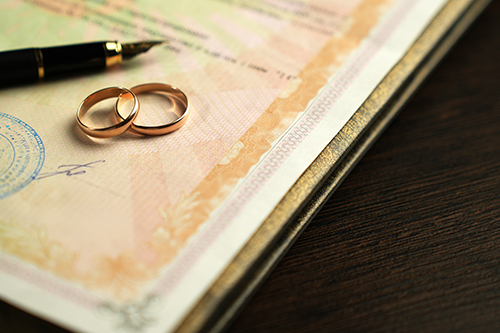
California is what is called a "no-fault" state when it comes to dissolution proceedings. In other words, the cause of the end of the relationship is generally irrelevant to the division of the community property estate. California is one of 17 states where "no-fault" is the only option. The other 33 states allow a decision to be made between "at fault" or "no fault" options for dissolution.
Consider this hypothetical: the petitioner and respondent have ...
For only $95 a month (the price of 2 article purchases)
Receive unlimited article access and full access to our archives,
Daily Appellate Report, award winning columns, and our
Verdicts and Settlements.
Or
$895, but save $100 when you subscribe today… Just $795 for the first year!
Or access this article for $45
(Purchase provides 7-day access to this article. Printing, posting or downloading is not allowed.)
Already a subscriber?
Sign In