


May 1, 2026
Who's guilty when AI helps kill?
As AI increasingly provides actionable assistance in dangerous contexts, the law must confront whether existing concepts of criminal liability are adequate when technology functionally aids violent crime without possessing human intent.



Laura Sheppard
Laura Sheppard, J.D., Ph.D, is a post-conviction criminal defense specialist and expert witness, and criminal law instructor at Thomas Jefferson School of Law and Grossmont-Cuyamaca Community Colleges.
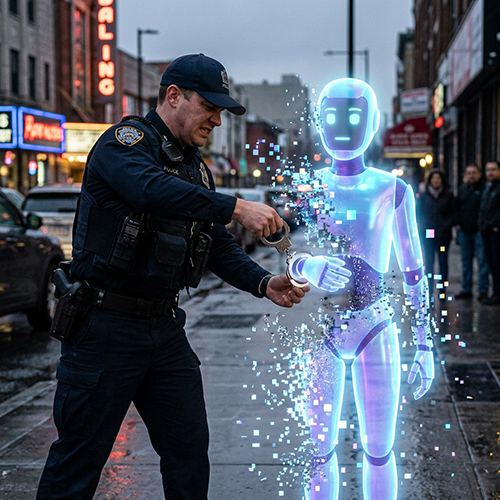
Last year, a young man committed a mass shooting at Florida State University in Tallahassee, killing two and injuring many more. Earlier that day, he had asked ChatGPT how the country would react to a shooting at his school specifically, and when was the busiest time at the student union. He had also asked ChatGPT about how to use his gun and what ammunition to use.
It is not hard to see how, if it were a person, ChatGPT's responses would make it an acco...
For only $95 a month (the price of 2 article purchases)
Receive unlimited article access and full access to our archives,
Daily Appellate Report, award winning columns, and our
Verdicts and Settlements.
Or
$895, but save $100 when you subscribe today… Just $795 for the first year!
Or access this article for $45
(Purchase provides 7-day access to this article. Printing, posting or downloading is not allowed.)
Already a subscriber?
Sign In