


Immigration,
Constitutional Law
Apr. 1, 2026
The misuse of federal Indian law in the birthright citizenship debate
The 14th Amendment, ratified in 1868, guarantees that anyone born or naturalized in the United States is a citizen and ensures all citizens receive due process and equal protection under the law.


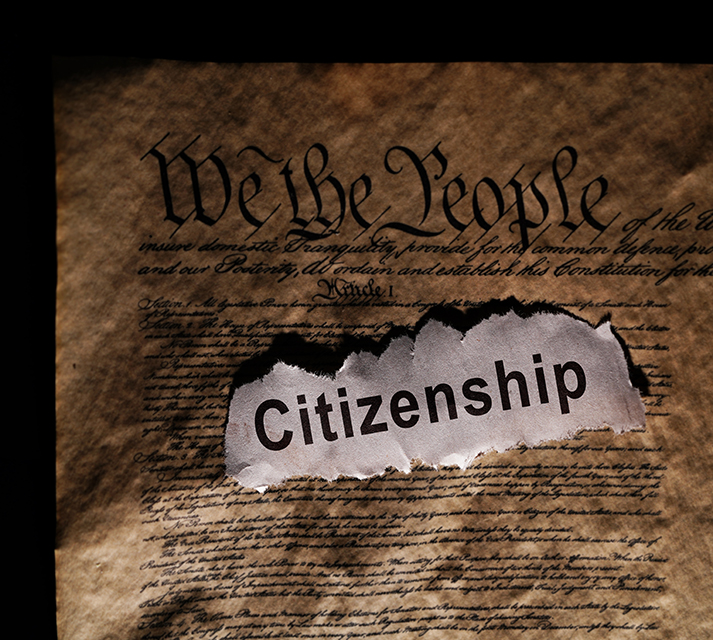
In the contemporary debate over the 14th Amendment, opponents of birthright citizenship have cited the 1884 Supreme Court case, Elk v. Wilkins, to argue that children born in the United States to non-citizen parents are not "subject to the jurisdiction thereof" and are thus not automatically citizens. This argument, however, is extremely problematic because it misinterprets and decontextualizes a ruling grounded in the unique and sui generis field of federal Indian law...
For only $95 a month (the price of 2 article purchases)
Receive unlimited article access and full access to our archives,
Daily Appellate Report, award winning columns, and our
Verdicts and Settlements.
Or
$895, but save $100 when you subscribe today… Just $795 for the first year!
Or access this article for $45
(Purchase provides 7-day access to this article. Printing, posting or downloading is not allowed.)
Already a subscriber?
Sign In