


Jun. 26, 2026
Common traits of bar passers
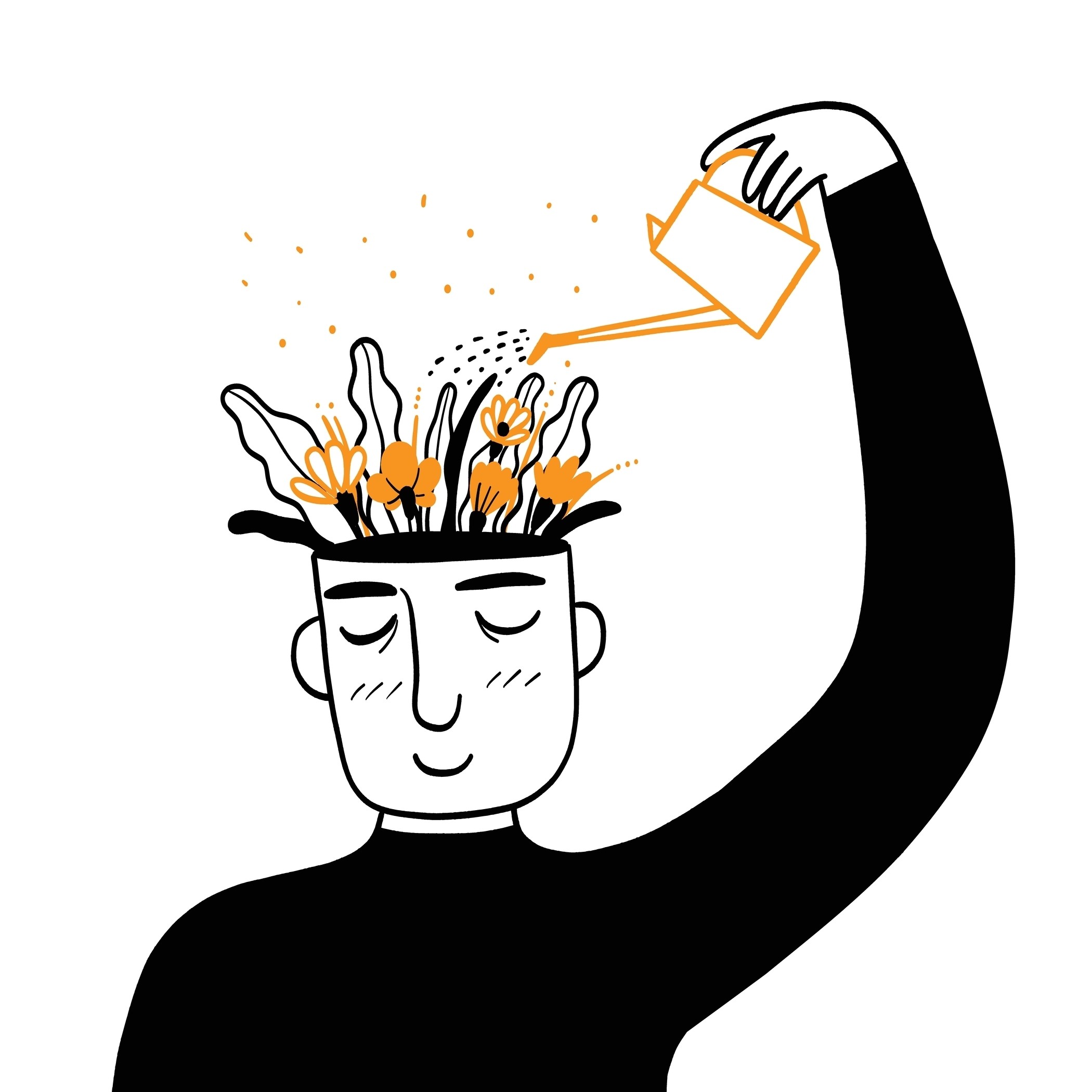
The difference between passing the bar and failing it has less to do with what you know than with how you think -- and the good news is, that's something you can change.


Brian Hahn
The top differentiator that I've encountered with people taking the bar exam isn't skills or knowledge.
It's HOW they think and how they approach their studies.
If you observe people who have passed the bar exam long enough, you will notice some patterns in their behavior:
1. They don't get stuck on perfectionism.
They don't wait for perfect knowledge or to "get their ducks in a row" before starting.
They do now what they'll be doing on the exam. Perfectionism kills action and consistency.
This doesn't mean they simply go through the motions. They learn and correct course along the way. They wade through the discomfort instead of staying in the shallow end of the pool where it's easy to win. Actions are purposeful and deliberate.
Next. Repeat. Again.
💡 Success is boring, not sexy.
2. They are proactive.
Failing the bar exam changed my life.
I had enough of doing what they told me to do. I focused more on doing my own research, seeking specific guidance, trying different things, and learning invaluable lessons by reflecting on my experiences.
But be careful about getting trapped into being an information junkie.
You have to curate advice as well, not just tools. There's a cost to attending every free workshop and study group: You're lowering the signal-to-noise ratio.
Everything is competing for your time right now, so you have to be selective.
And then do something with it. Passers do the research, but at some point, they focus on implementing.
Be a producer, not just a consumer. Don't be like people who watch workout videos instead of actually doing the workout.
3. They persevere and adapt.
They keep doing what's working. They change what's not working.
The last part is key. Some talk about repeating the same exam for years. But that's not a badge of honor, nor does it make you a martyr. There's a difference between perseverance and refusal to adapt to reality.
I was forced to accept reality when I failed the exam on my first try. I had to figure out this bar thing. I tried many different things. There was no time to worry about whether I was going to fail again until after the exam.
Darwin said that it's not the strongest or most intelligent of the species that survives but the one that's most adaptable to change.
4. They stay sane and optimistic.
They prioritize and make the time needed, and manage their responsibilities.
They enjoy the process or at least take it in stride one day at a time. I was much happier on my second attempt. No wonder because I wasn't getting exhausted sitting through lectures and transcribing notes all day.
The secret to productivity and avoiding burnout isn't relentless discipline, but joy. What do YOU find helps you feel good?
5. They do not "freak out."
A bad MBE set. A blank essay. A day where nothing sticks.
These things happen to everyone, including the people who end up passing. The difference is what happens next.
They may be taken off balance but keep composure. Composure under a bad moment is a skill. They don't let themselves be easily confused or overwhelmed. Mental Engines is my mini-course that can help with this.
But it's common and normal to be discouraged and emotionally exhausted through this process.
That's why I want to share two different ways you can think about this situation:
Mental reframe 1: the $50,000 project
Imagine someone wanted to pay you $50,000 for a big three-month project. Wow!
Are you going to get distracted or make sure you get it right? Because that someone is you and the project is bar preparation.
If we assume your attorney salary is going to start at $100,000/yr, every half year you delay entrance to the bar could mean losing out on $50,000 you could direct toward your student loans, home, wedding, trips, etc. And naturally, the earlier you start your career, the more your salary grows.
Not only that, delaying passage could mean you continue to pay for testing fees, subscriptions, courses, etc.
In other words, the earlier you make this your last time, the earlier you'll be set for life.
⚠️ If you don't pass this time, the earliest you'll find out whether you passed will be around April or May of next year if prepping for July, or October or November if prepping for February.
That is a haunting length of time.
Another 9 months of your life spent waiting for results to gestate, simmering in anxiety and uncertainty, is no joke. It puts not only yourself in limbo--but also your friends and family who may not fully understand why you're still doing this "bar thing" and turning down invites.
That's what's at stake with the bar exam. It's not just a career. Professional abeyance limits your life and relationships from reaching their full potential. You'd be squandering the only things in life you can't get back: time and relationships.
Damn.
Mental reframe 2: What could go RIGHT?
In a job search, if you had to face a certain number of rejections before you land your dream job, how many interviews would you go on?
If you had to go on 100 dates to find The One, would that make up for the other 99?
After 51 failed games, Rovio created the mega-hit game series Angry Birds.
If you needed x number of failures to succeed, how excited would you be to take the L on that practice question?
I understand there will be unbelievably humbling moments during this process. But strength blooms only in adversity. You must fail to succeed. Bar preparation is emotional preparation.
As I always say, if you graduated from law school, you are capable of passing the bar. It's only a matter of time.
Instead of letting adversity pull you down, you can lean INTO it and take a forward-looking view, anticipating that your biggest growth is ahead of you.
It's our mind and our heart that drive us. If you've ever been heartbroken, you know how difficult it is to stay productive or do anything.
But if you can change your mind, you can change anything. It's not always easy to do that, but I hope the above reframes made you a bit more optimistic and inspired you to rewire your thinking.
Brian is the founder and chief strategist at Make This Your Last Time, a patent attorney, and second-time passer of the California Bar Exam after figuring out what works and what doesn't. He's been writing about actionable and effective bar prep since 2014, helping tens of thousands of bar takers across the country pass the exam.
For reprint rights or to order a copy of your photo:
Email
Jeremy_Ellis@dailyjournal.com
for prices.
Direct dial: 213-229-5424
Send a letter to the editor:
Email: letters@dailyjournal.com