


Jan. 14, 2026
Why voir dire lessons can't wait until the first trial
Jury selection can determine a trial's outcome, yet most lawyers don't learn voir dire until they're in court. Southwestern Law School is trying to change that.


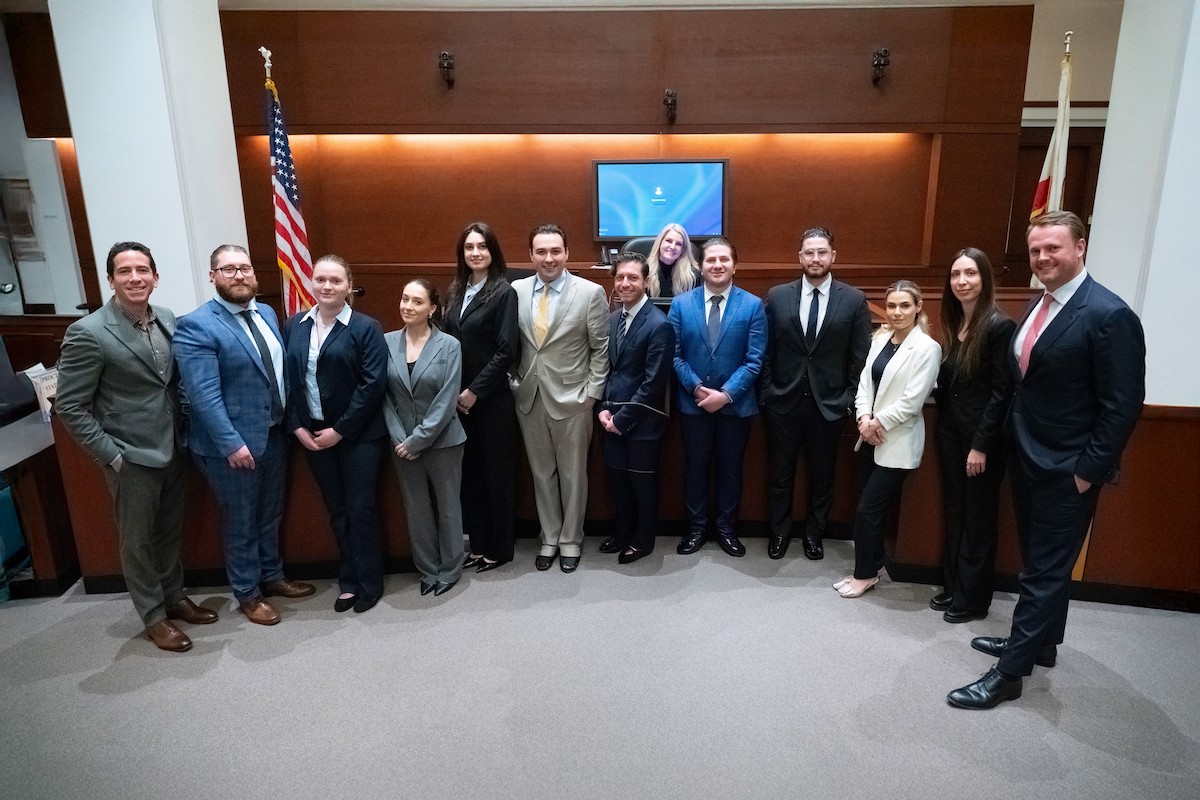
By Robert S. Glassman and Daniel Kramer
For decades, jury selection has occupied a paradoxical place in civil trial practice. Seasoned litigators know it is often the most consequential phase of trial, yet law schools have traditionally devoted little sustained attention to teaching it in a practical, experiential way. Voir dire is discussed, debated, and occasionally demonstrated--but rarely taught as a skill students must practice before entering the profession.
At Southwestern Law School, that paradigm is changing.
Now completing its fourth year, Southwestern's jury selection course represents a deliberate effort to bring one of the most important--and least formally taught--trial skills into the law school classroom. As longtime friends, former law school classmates, and now practicing California trial lawyers, we designed and structured the course to offer students an experience that remains exceptionally rare in legal education: structured, hands-on training in civil jury selection before they ever appear in court as licensed attorneys.
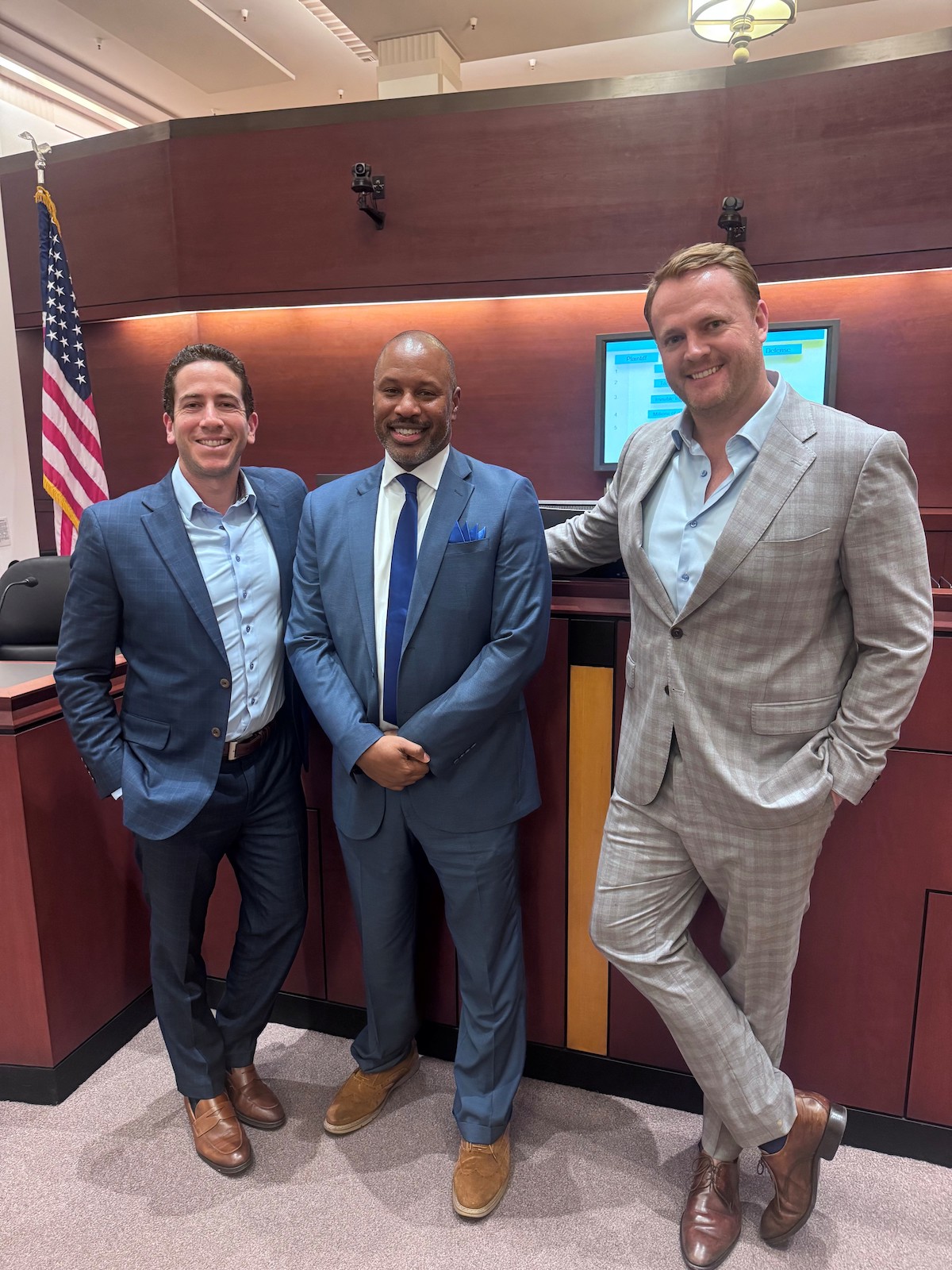
This is not a traditional advocacy elective. It is a working course grounded in the realities of California trial practice.
Why jury selection has been undervalued in legal education
Ask any experienced trial lawyer where cases are truly won or lost, and the answer is rarely surprising. Jury selection shapes how evidence is interpreted, how credibility is assessed, and how jurors relate to the parties long before opening statements begin. Yet despite its significance, voir dire has often been left to on-the-job learning.
Law students graduate fluent in doctrine and procedure, but many enter practice having never asked a juror a question--let alone navigated the delicate balance between candor, persuasion, and restraint that effective jury selection requires.
Southwestern's jury selection course was created to confront that gap directly.
Rather than treating voir dire as an abstract concept, the course treats it as a professional skill that can--and should--be developed early, intentionally, and with meaningful feedback.
A practice-driven curriculum
The course is designed to teach aspiring trial lawyers how jury selection actually functions in civil trials. Through a combination of lectures, written materials, video analysis, and interactive group exercises, students learn not only the legal framework governing voir dire, but also the human dynamics that define it.
Students are taught how to:
Ask questions that encourage honesty rather than silence
Identify juror experiences and values without alienation
Recognize implicit bias while maintaining fairness and professionalism
Adapt voir dire strategies to different judges and courtroom environments
Balance advocacy with ethical responsibility
The emphasis is practical. Students stand, speak, listen, and refine their approach in real time. Mistakes are expected. Improvement is the goal.
In a profession where many lawyers first learn voir dire under the pressure of an actual trial, the opportunity to develop these skills in an academic setting is both uncommon and consequential.
Judges and defense lawyers in the classroom
One of the course's most distinctive features is its consistent inclusion of guest lecturers from across the legal system. Over the years, sitting judges and experienced defense lawyers have joined the class to share candid, unfiltered perspectives on jury selection.
Judges discuss what they look for during voir dire, common pitfalls they see from young attorneys, and how they balance efficiency, fairness, and advocacy in their courtrooms. Defense lawyers provide insight into strategic considerations from the other side of the aisle--how voir dire themes differ, what juror responses signal concern, and how jury selection decisions shape trial posture.
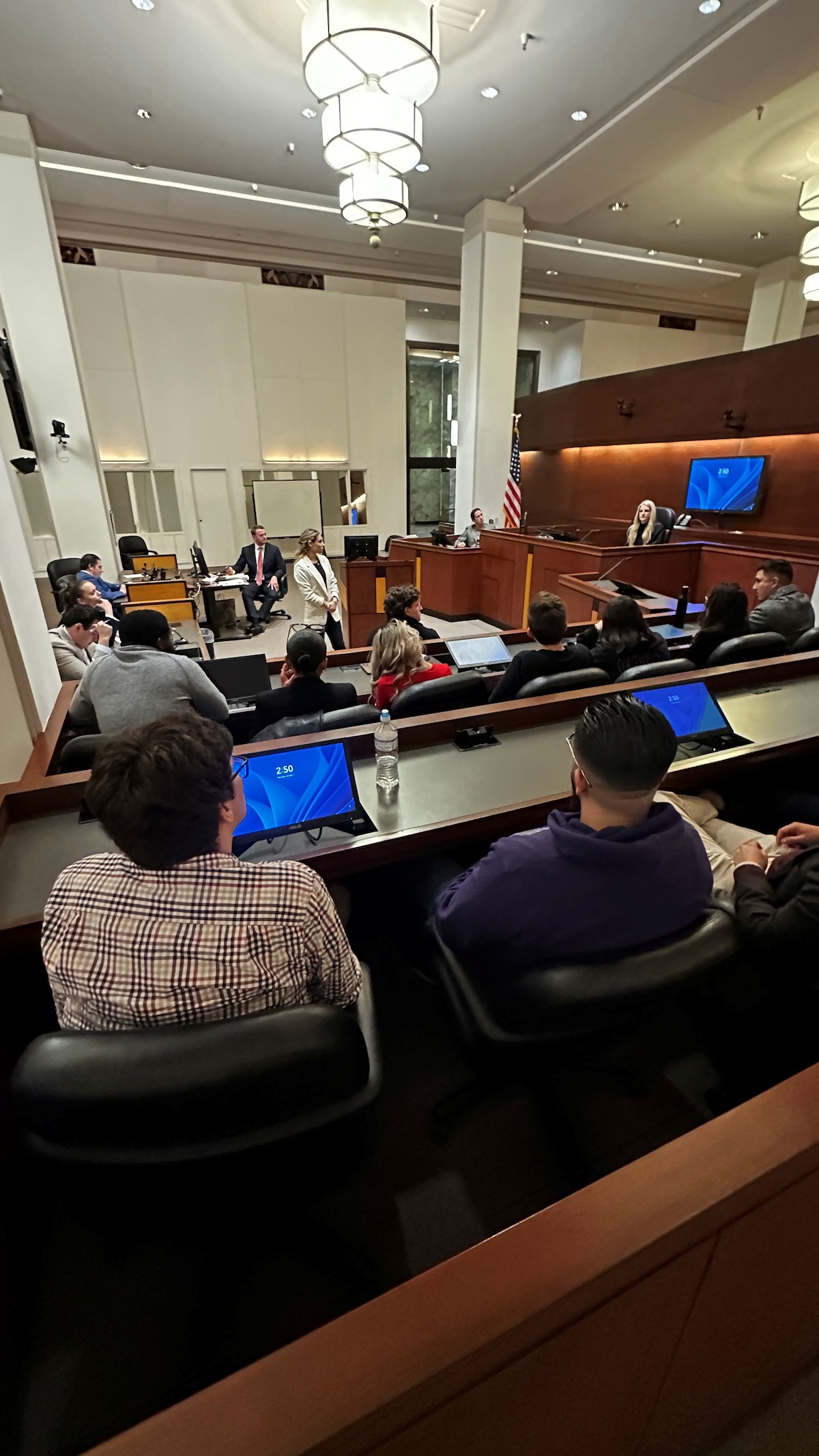
For students, this exposure is invaluable. It demystifies courtroom expectations and allows future lawyers to hear directly from the professionals they will soon encounter in practice.
Just as importantly, it reinforces that jury selection is not a performance--it is a conversation governed by credibility, preparation, and respect for the process.
What makes this course uniquely valuable
While many law schools offer trial advocacy programs, few provide sustained instruction focused exclusively on jury selection in civil cases. Even fewer do so with ongoing participation from judges and practicing litigators.
The result is a course that gives Southwestern students a meaningful head start. Graduates leave with a foundational understanding of voir dire that many lawyers do not acquire until years into practice--if at all.
Students learn that jury selection is not about clever phrasing or control. It is about listening, identifying bias without judgment, and selecting a jury capable of evaluating evidence fairly. These lessons resonate beyond voir dire itself, shaping how students approach advocacy more broadly.
Four years of growth and impact
Now in its fourth year, the course has evolved alongside changes in trial practice and juror dynamics. Discussions increasingly reflect modern issues facing California courts, including shifting attitudes toward institutions, corporate accountability, and personal responsibility.
Student feedback has been consistent: the class is among the most practical offerings of their legal education. For many, it is the first time the distance between law school and the courtroom feels meaningfully narrowed.
For the instructors, the course represents an effort to institutionalize lessons that trial lawyers historically learned informally--often through experience, mentorship, or hard-earned mistakes.
A model for the future of trial advocacy education
Southwestern Law School's jury selection course offers a compelling model for how legal education can better prepare students for actual practice. By integrating real-world skills training, judicial perspectives, and adversarial viewpoints into the classroom, the program provides an experience few law students elsewhere receive.
In doing so, it acknowledges a simple truth: effective trial advocacy begins long before opening statements. Teaching voir dire early does not just create better trial lawyers--it strengthens the civil justice system itself.
For California's next generation of advocates, that education may prove invaluable.
Robert S. Glassman is a trial lawyer and partner at Panish | Shea | Ravipudi LLP. Daniel Kramer is a trial lawyer at Kramer Trial Lawyers APC.
For reprint rights or to order a copy of your photo:
Email
Jeremy_Ellis@dailyjournal.com
for prices.
Direct dial: 213-229-5424
Send a letter to the editor:
Email: letters@dailyjournal.com